















































Five classic cars losing value as the market corrects
 Added on: November 19, 2025
 Author: OctoClub
1. Five icons losing value fast
2. Jaguar E-Type (Series 2 & 3)
6. Aston Martin DB Series (DB4, DB5, DB6)
7. Conclusion
Five icons losing value fast
The classic car market is undergoing a noticeable shift. For years, certain models were considered “blue-chip classics” — timeless investments that would steadily appreciate in value. Yet recent auction results suggest a very different reality.
In the UK, a Jaguar E-Type Series 2 was recently listed with a guide price of €25,000 and sold for just €22,000 — a figure that would have seemed unthinkable only a few years ago. This sale has become symbolic of a broader trend: prices for once “untouchable” classics are softening, and in some cases, falling sharply.
The reason lies in a generational shift in collector demand. Cars from the 1980s and 1990s are gaining popularity as new buyers seek models that evoke their own childhood memories, while vehicles from the 1950s and 1960s are plateauing or gradually declining in value. The correction has arrived faster and more dramatically than expected.
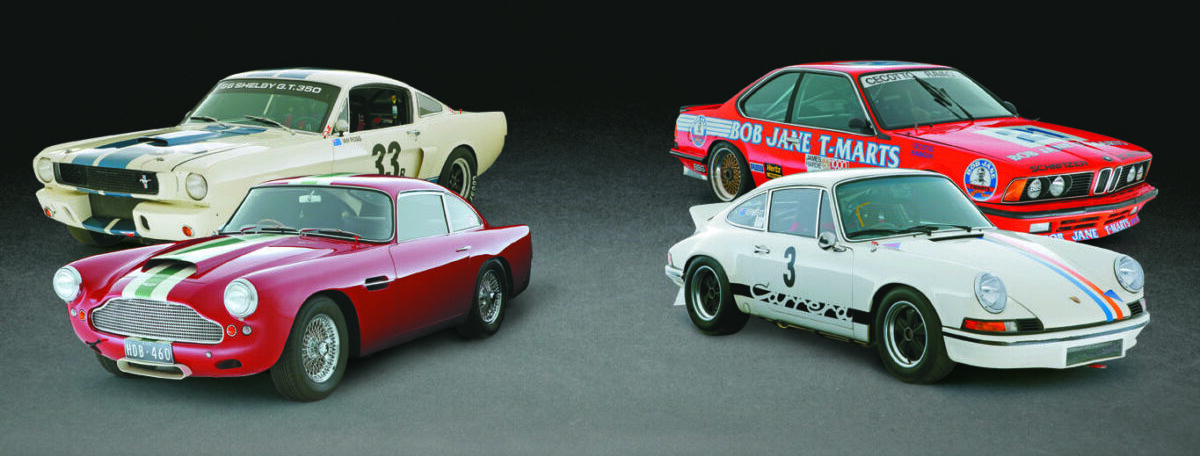
Below are five classic cars currently experiencing significant drops in value.
Jaguar E-Type (Series 2 & 3)
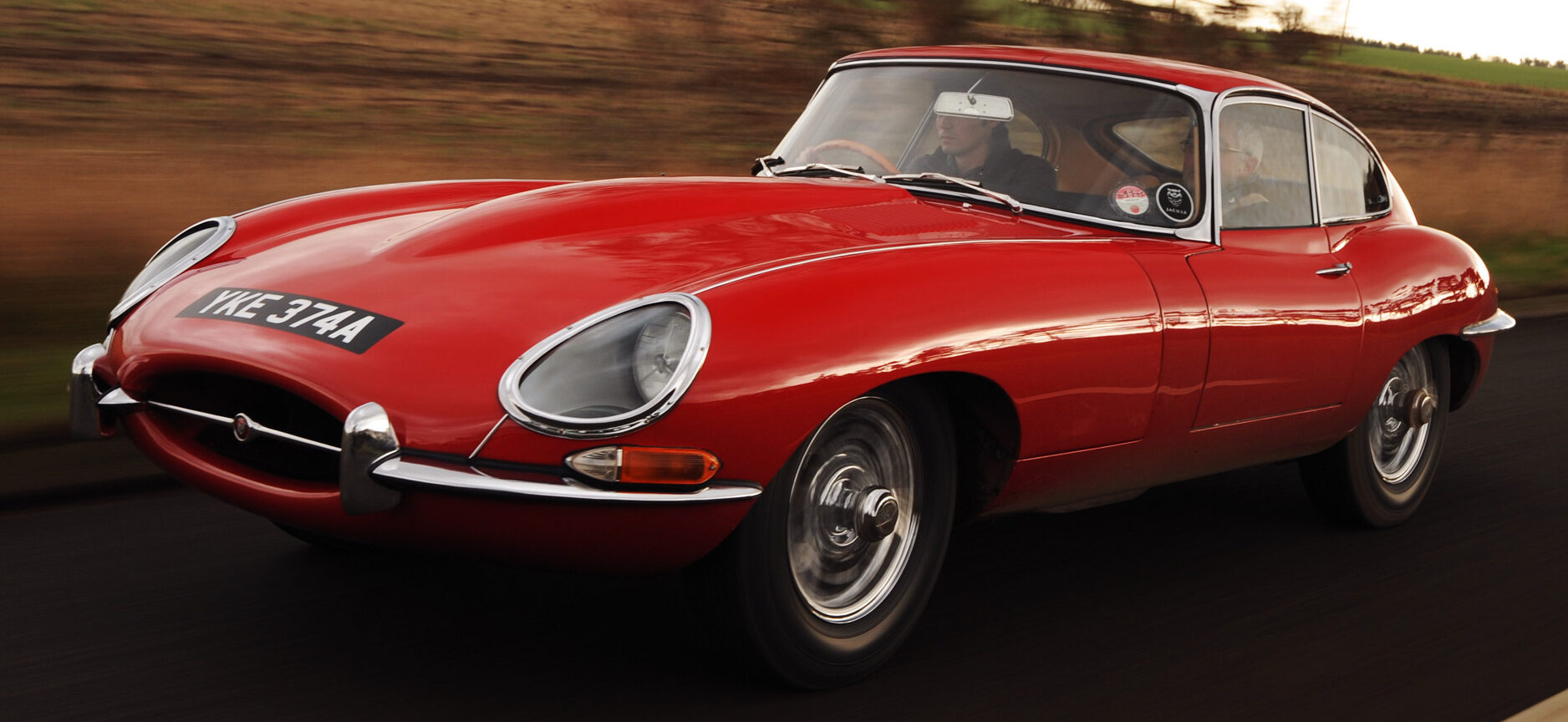
While early Series 1 examples continue to hold their ground, later Series 2 and 3 models have seen a decline of 20–30% over the past 18 months.
This is partly due to high maintenance and restoration costs, which often exceed the car’s resale value. Additionally, younger collectors tend to lack the same emotional connection to these 1960s icons.
Falling values, however, could encourage more of these cars to return to the road rather than remain locked away in collections.
Ferrari 308 & 328
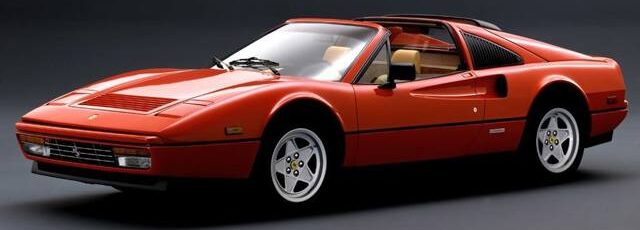
The Ferrari 308 and 328 — symbols of the 1980s and once staples of collector garages — are now seeing reduced demand.
Buyers are increasingly drawn to newer models such as the Ferrari F355 and 360, which offer more modern performance and reliability. Despite their beauty and historical appeal, the 308 and 328 are not particularly rare, and running costs remain high.
At a recent auction, a Ferrari 328 sold for approximately €63,000, marking a substantial market correction and a return to more realistic pricing levels.
Air-Cooled Porsches
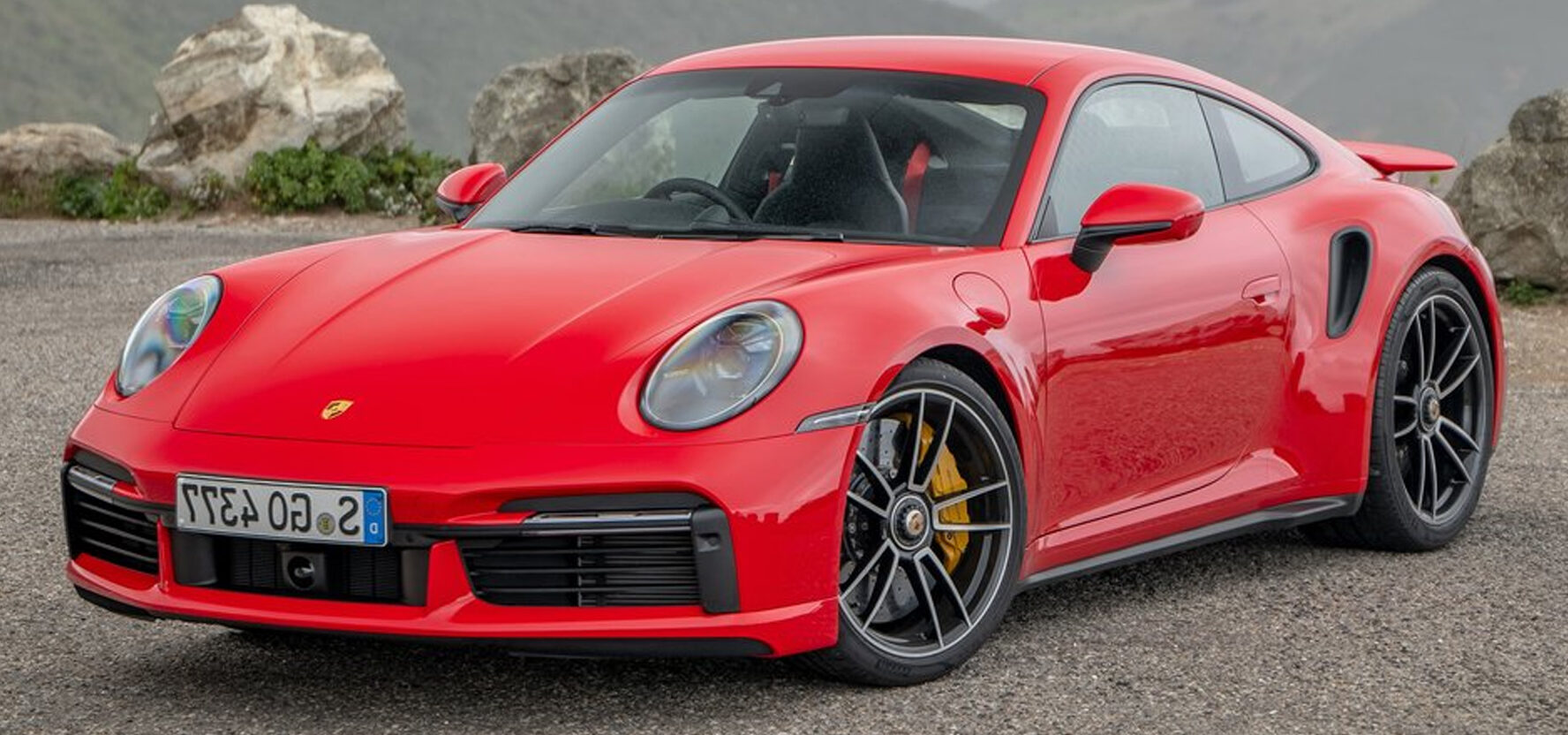
Once viewed as “bulletproof” investments, air-cooled Porsche 911s are no longer immune to market adjustments.
Unless the car is a limited edition such as a 911 Turbo or Carrera RS, prices are declining. Enthusiasts are turning toward later models — particularly the 996 and 997 generations — which offer better usability and more accessible prices.
This shift may actually strengthen the classic Porsche community, allowing genuine enthusiasts to enjoy these cars as they were originally intended.
BMW 8 Series (E31)
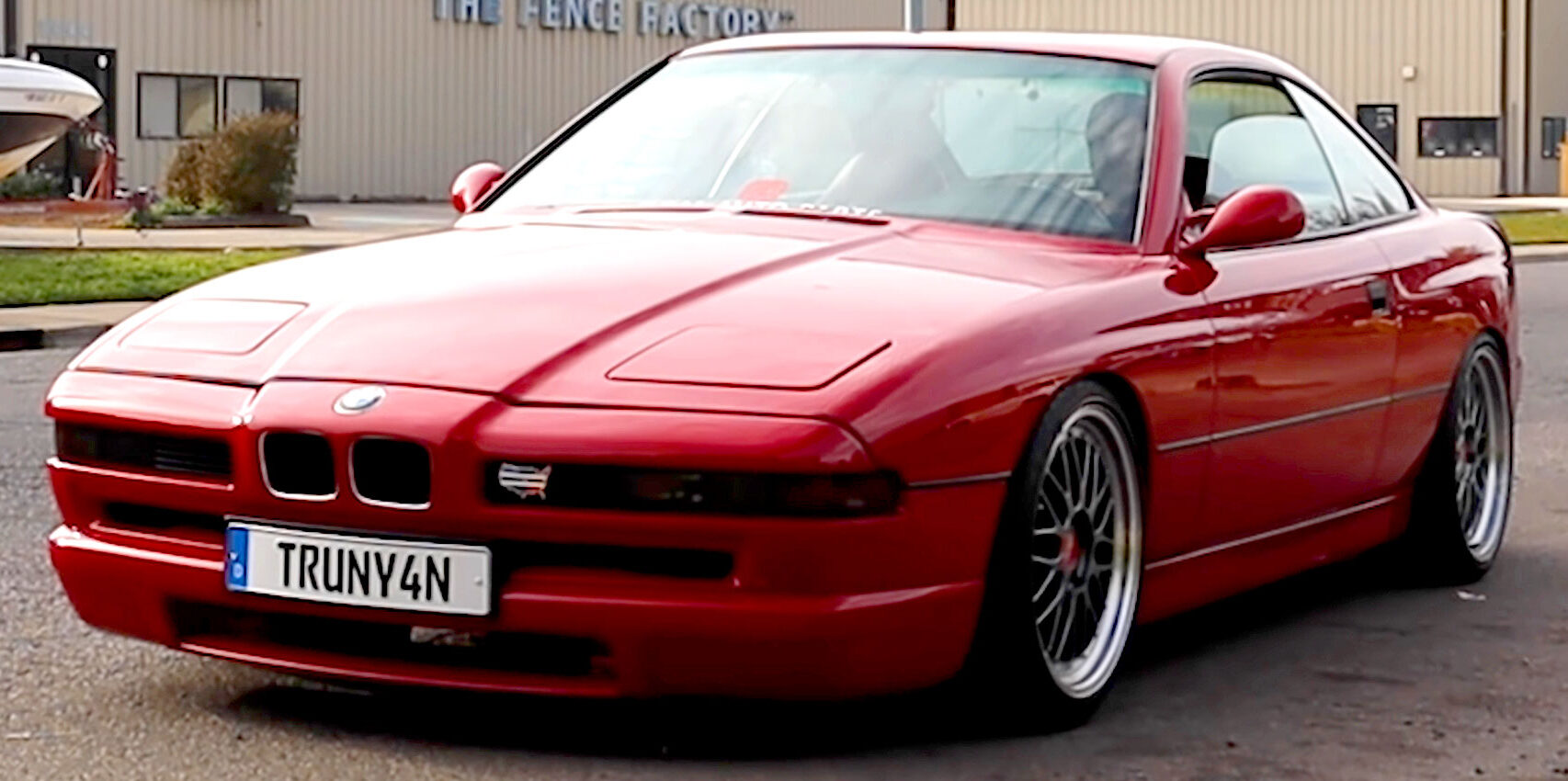
The BMW 8 Series (E31), once celebrated for its futuristic design and 1990s luxury, has seen a cooling in demand.
While rare versions such as the 850CSi and manual V12s maintain a premium, standard V8 and automatic models are losing value. Buyers appear increasingly cautious about taking on the mechanical complexity and maintenance costs associated with these grand tourers.
Nevertheless, at current market prices, the 8 Series remains a compelling option for those seeking an elegant and capable long-distance cruiser.
Aston Martin DB Series (DB4, DB5, DB6)
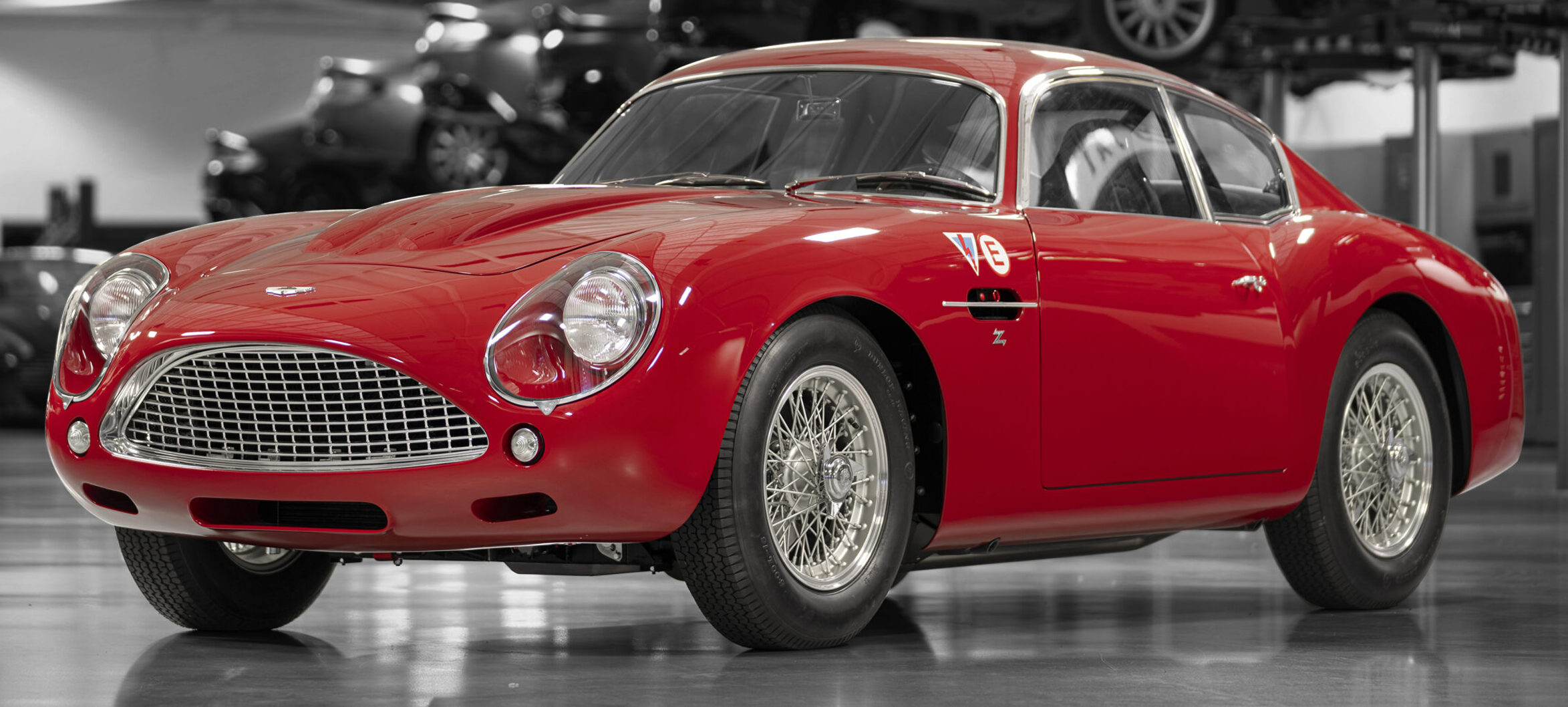
The legendary Aston Martin DB series — including the DB4, DB5, and DB6 — has long symbolized British automotive excellence. However, even these icons are not immune to the current downturn.
Unless a model carries a James Bond connection, prices are falling, in some cases by as much as €115,000. Younger buyers often struggle to justify such high purchase and upkeep costs when compared to the performance offered by modern alternatives.
Despite the correction, these remain desirable classics, and their new, more attainable prices could attract a wider range of enthusiasts.
Conclusion
The current trend does not indicate a market crash, but rather a natural correction and evolution. The classic car world is adapting to changing tastes, demographics, and economic realities.
Nostalgia continues to drive demand, but nostalgia itself evolves — shifting toward models that resonate with newer generations of collectors.
For the market as a whole, this evolution brings balance. It opens the door for enthusiasts to experience historically significant cars at more reasonable prices, ensuring that classic motoring remains accessible and alive for years to come.
Q: Which classic cars are currently losing value the fastest?
A: The biggest declines in the article are seen among Jaguar E-Type Series 2 and 3 models, Ferrari 308/328, standard air-cooled Porsche 911s, BMW E31s and selected Aston Martin DB models. The important distinction is that rare or highly desirable versions — such as the E-Type Series 1, Porsche Carrera RS, BMW 850CSi or manual V12 E31 — can behave very differently from standard cars.
Q: Is the Jaguar E-Type Series 2 or Series 3 a good buy today?
A: It can be, particularly for an enthusiast who values the car itself rather than short-term appreciation. Because Series 2 and 3 cars have become more affordable, buyers may be able to purchase a good example for less than before, but a thorough inspection is essential because restoration costs can quickly outweigh the difference in purchase price.
Q: Are air-cooled Porsche 911s still a safe investment?
A: Only certain versions should be considered particularly strong from a value-retention perspective. Limited or highly desirable models such as the Turbo and Carrera RS have much stronger collector appeal, while more ordinary air-cooled 911s are more exposed to market corrections.
Q: Why are buyers moving toward Porsche 996 and 997 models?
A: The 996 and 997 offer a combination of performance, usability and comparatively accessible prices. For enthusiasts who want to drive their Porsche regularly rather than treat it purely as an investment, these generations can provide a more practical entry point into 911 ownership.
Q: Which BMW E31 versions are most likely to hold their value?
A: The rarest and most enthusiast-focused versions have the strongest position. The 850CSi and manual V12 cars command a premium because of their rarity and desirability, whereas standard V8 and automatic examples have less collector scarcity and are therefore more vulnerable when the market cools.
Inspired by the analysis of our friend @rcclassicgarage. Make sure you check his other videos
https://www.youtube.com/@rcclassicgarage
Are you already a proud owner of a Jaguar, Ferrari 308 and 328, Porsche 911 and 996, BMW E31 and Aston Martin? If so, check out our selection of parts for this car at the following link:
https://octoclassic.com/product-category/jaguar
https://octoclassic.com/product-category/ferrari/ferrari-308
https://octoclassic.com/product-category/ferrari/ferrari-328
https://octoclassic.com/product-category/porsche/911
https://octoclassic.com/product-category/porsche/996
https://octoclassic.com/product-category/bmw/e31
https://octoclassic.com/product-category/aston-martin
Photo sources: Auto Express, HonestJohn.co.uk, carscoops.com, Overdrive, 1zoom.me, tradeuniquecars.com.au