
























































How to choose the right future classic car?
 Added on: March 17, 2026
 Author: OctoClub
1. The most important rule: Buy what you can actually afford
2. Look for underrated cars rather than popular trends
3. Consider where and how the car will be used
4. Cultural influence and identity matter
5. Engine character and driving feel are becoming rare
6. Conclusion
The most important rule: Buy what you can actually afford
The most sensible future classic is not necessarily the rarest or most desirable model. It is the car that fits comfortably within a realistic budget. Classic cars are rarely cheap to maintain, and stretching finances too far often turns excitement into frustration.
It is often said that the best classic to buy is the one that can barely be afforded – meaning it sits right at the top of a realistic budget but does not push beyond financial comfort. Maintenance, parts, insurance, and unexpected repairs must always be considered.
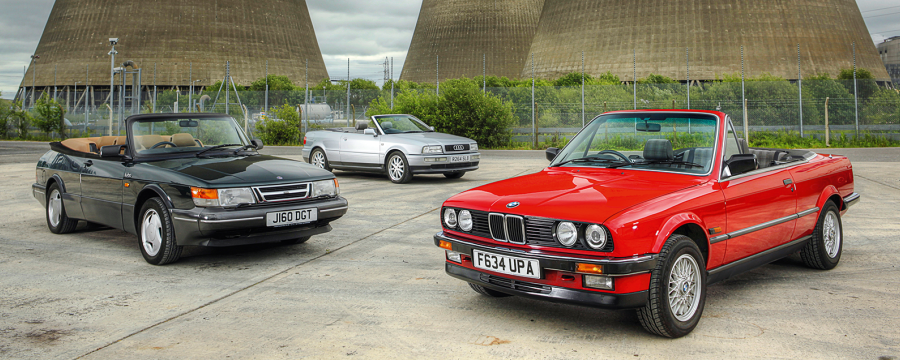
For example, a well-kept 1990s European coupe that costs around €6,000-€10,000 may deliver far more enjoyment than a neglected sports car purchased for €15,000 that requires constant repairs. Buying the best example available within budget usually proves far wiser than chasing the cheapest listing.
Look for underrated cars rather than popular trends
Some of the best classic purchases happen when a car is still overlooked by the market. Models that were once considered ordinary often become desirable years later, particularly if they have interesting engines, motorsport heritage, or distinctive design.
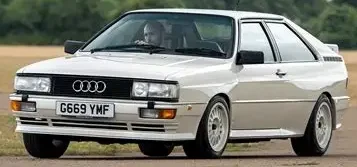
Consider a scenario where an enthusiast purchased a relatively unknown performance coupe in 2019 for approximately €3,700. At the time, it attracted little attention and was simply seen as an old car. Several years later, similar examples are difficult to find for less than €15,000.
The lesson here is simple: popularity usually arrives after enthusiasts begin appreciating a car’s qualities. Buying something that already dominates headlines often means paying a premium.
Consider where and how the car will be used
A future classic must suit the environment in which it will be driven. Geography, infrastructure, and climate all influence which vehicles make sense.
Several practical questions should be considered:
-
Is the car going to be driven mostly in a city or on open roads?
-
Are parking spaces limited?
-
Is the climate wet, snowy, or dry?
-
Are road conditions good or full of potholes?
In countries with narrow streets and limited parking, a compact coupe or hatchback may prove far more practical than a large luxury sedan. Similarly, regions with frequent rain or snow may benefit from all-wheel drive systems.
Ignoring these factors often leads to frustration after purchase.
Cultural influence and identity matter
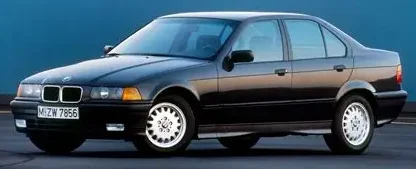
Cultural influences also shape automotive preferences. National heritage, motorsport history, and personal identity can all affect which cars feel meaningful.
For example:
-
Fans of rally history often gravitate toward all-wheel-drive performance cars.
-
Enthusiasts inspired by touring car racing may prefer rear-wheel-drive coupes.
-
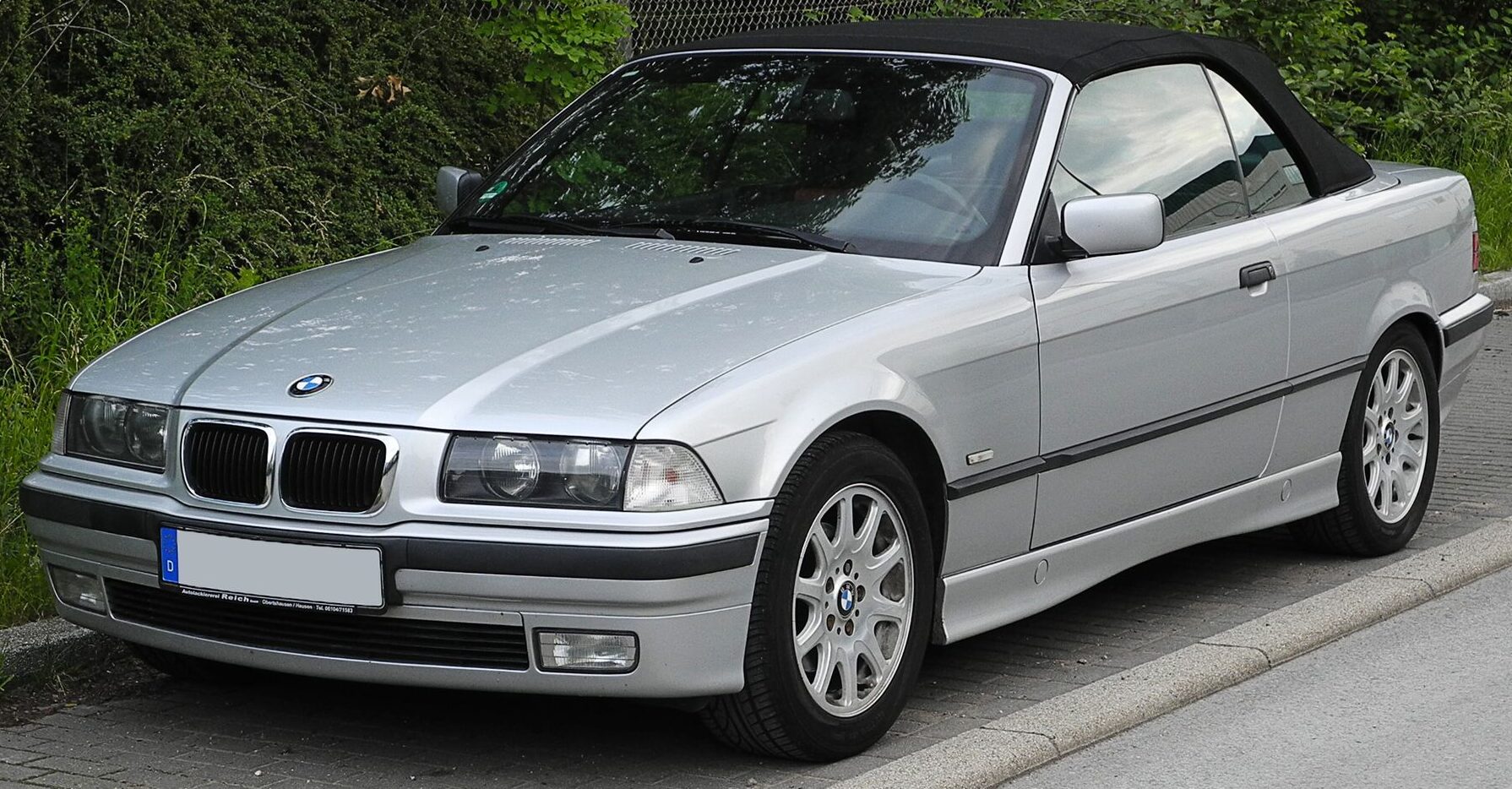
Those drawn to luxury and executive aesthetics might choose classic European sedans.
These influences often create a personal vision of what owning the car represents. Sometimes it reflects the image of a rally driver from the 1980s; other times it evokes the elegance of a 1990s business executive. Regardless of the inspiration, that narrative makes ownership far more enjoyable.
Engine character and driving feel are becoming rare
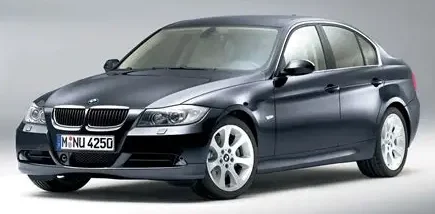
Modern vehicles are increasingly refined, efficient, and technologically complex. While these qualities improve everyday usability, they often reduce the raw driving character that defined older cars.
Many classic vehicles offer qualities that are slowly disappearing:
-
naturally aspirated engines
-
lighter chassis
-
mechanical simplicity
-
more direct throttle response
A naturally aspirated six-cylinder engine producing around 170 horsepower may seem modest today. However, combined with a lightweight body and minimal electronic intervention, the experience can feel far more engaging than driving a modern car with double the power.
This analog driving feel is precisely what attracts many enthusiasts to future classics.
Conclusion
Choosing a future classic is rarely about predicting the market perfectly. Instead, the best approach focuses on practicality, passion, and patience. A well-maintained car that fits a realistic budget, suits local conditions, and delivers genuine enjoyment will almost always prove to be the right choice.
Q: How much should I realistically budget for a classic car?
A: More than just the purchase price. A good rule is to reserve an extra 20–30% for maintenance, repairs, insurance, and unexpected costs.
Q: Is it better to buy a cheaper project car or a more expensive well-kept example?
A: Almost always the better example. Cheap cars often become expensive very quickly due to hidden issues and deferred maintenance.
Q: How do I know if a car is actually a “future classic”?
A: Look for strong character – interesting engines, unique design, or motorsport links. But timing the market is difficult, so focus on cars you genuinely enjoy.
Q: Should I follow trends or look for something less popular?
A: Many buyers ask this – and the answer is: look for underrated cars. The biggest gains often come before a model becomes widely recognized.
Q: Does it really matter where and how I plan to use the car?
A: Absolutely. A car that fits your daily environment (city, weather, roads) will be far more enjoyable than one that constantly feels impractical.
Inspired by the analysis of our friend @RetroGarageOfficial. Make sure you check his other videos
https://www.youtube.com/@RetroGarageOfficial
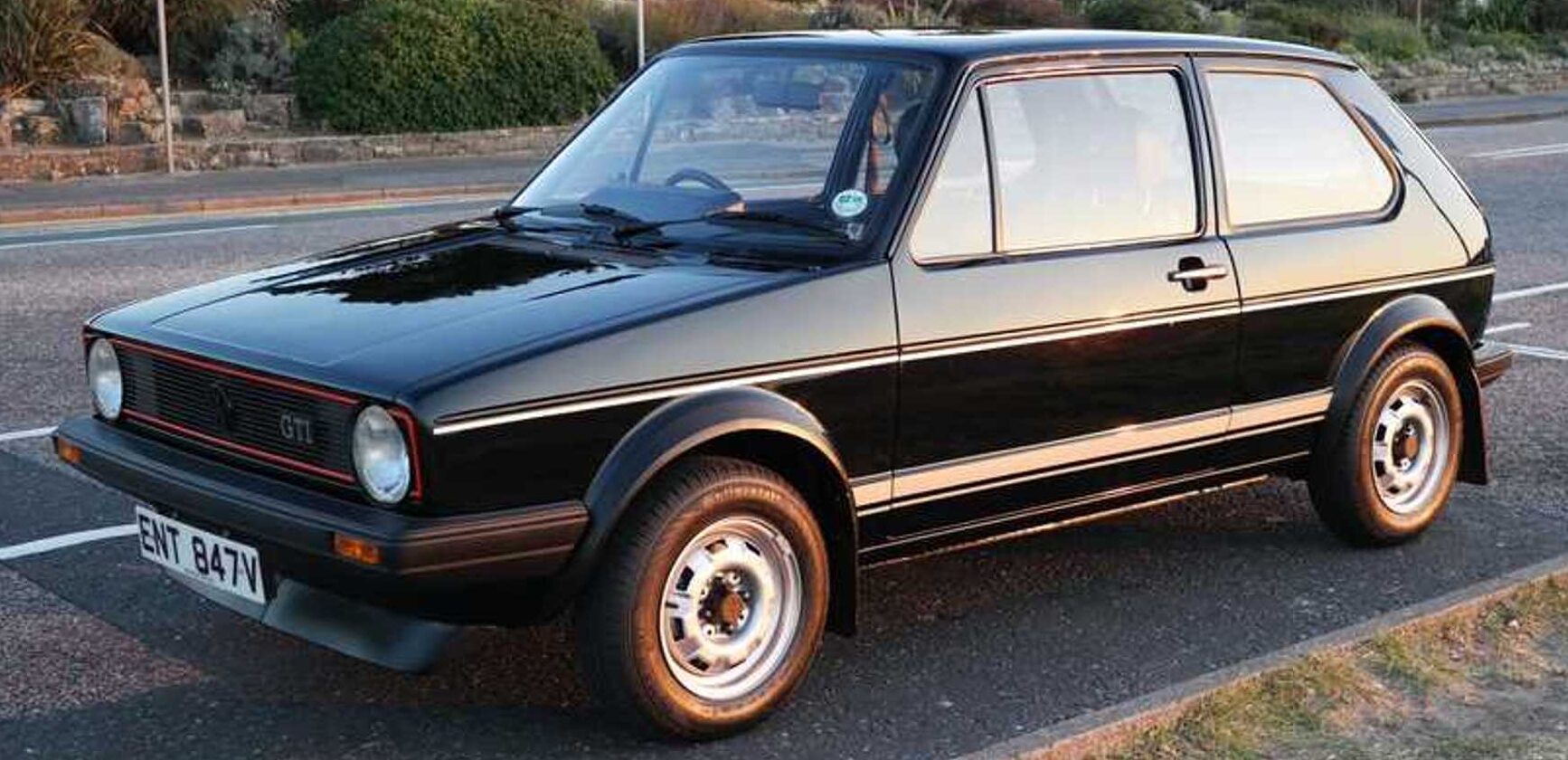
Are you already a proud owner of a Audi Coupe Quattro, BMW E36, BMW E90 and Volkswagen Golf? If so, check out our selection of parts for this car at the following link:
https://octoclassic.com/product-category/audi/coupe-2
https://octoclassic.com/product-category/bmw/e36
https://octoclassic.com/product-category/bmw/e90
https://octoclassic.com/product-category/volkswagen/golf-mk1
Photos sources: carmagazine.co.uk, cars-directory.net, press.bmwgroup.com, autoevolution.com, fity.club, classicandsportscar.com