


















































Porsche 911 Carrera prices at a turning point
 Added on: January 26, 2026
 Author: OctoClub
2. From pandemic highs to a short-lived recovery
3. 992.1 data signals a confirmed trend break
4. How new-car pricing drove used values higher
5. Why the U.S. and German markets look so different
6. Older 911 generations continue to gain strength
7. Conclusion
Market overview
Over the past year, the Porsche 911 Carrera market has surprised even seasoned observers. After a prolonged correction, prices suddenly rebounded – only to lose momentum again just as quickly. Listings are staying online longer, certain models have stopped appreciating, and the once-clear upward trend is beginning to blur.
So what is really happening to 911 Carrera values? Why did prices spike, why is the slowdown starting now, and what does this mean if you are thinking about buying or selling? Let’s break it down.
From pandemic highs to a short-lived recovery
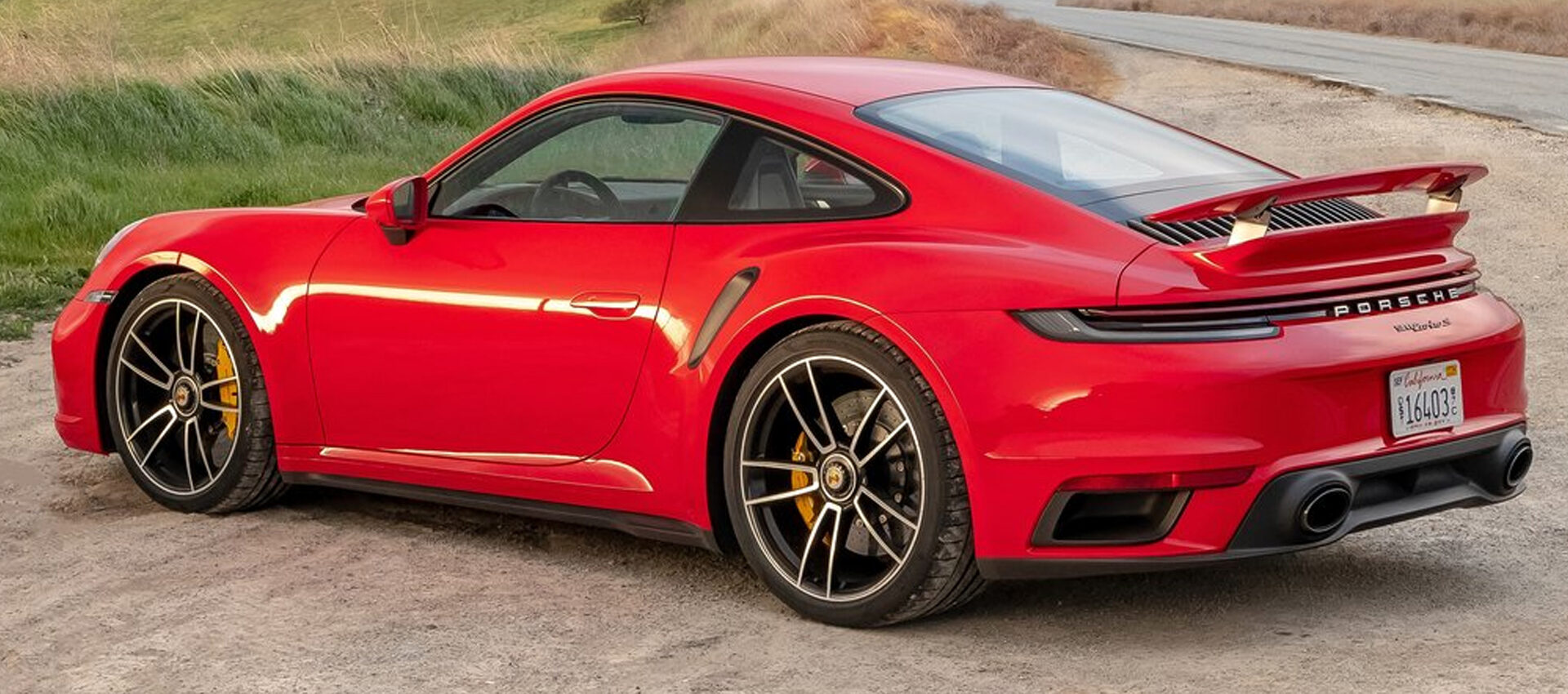
During the pandemic, prices for the 992.1 Carrera rose sharply, peaking in early 2022. Like much of the enthusiast car market, a correction followed, with values falling by roughly 8%.
In 2023, the market stabilized and prices drifted down only slowly. Then, in 2024, the 992.1 segment took another hit, dropping by around 5% in a relatively short period.
Early 2025 marked a notable turnaround: within just six months, prices increased by 3–5%, giving the impression that a new upward cycle had begun.
992.1 data signals a confirmed trend break
Looking at the most recent data, the upward trend for the 992.1 generation has clearly stalled. Over the past three months, prices for base Carreras have flattened, while Carrera S models have already begun to decline slightly. Importantly, this is not random noise—statistical analysis confirms that this shift is unlikely to be due to chance.
Year over year:
-
Base models are up 2.9%
-
Carrera S models are up 3.5%
However, short-term momentum has faded. The same pattern appears across Carrera 4, GTS, and T variants, confirming that this is a market-wide development rather than an isolated case.
How new-car pricing drove used values higher
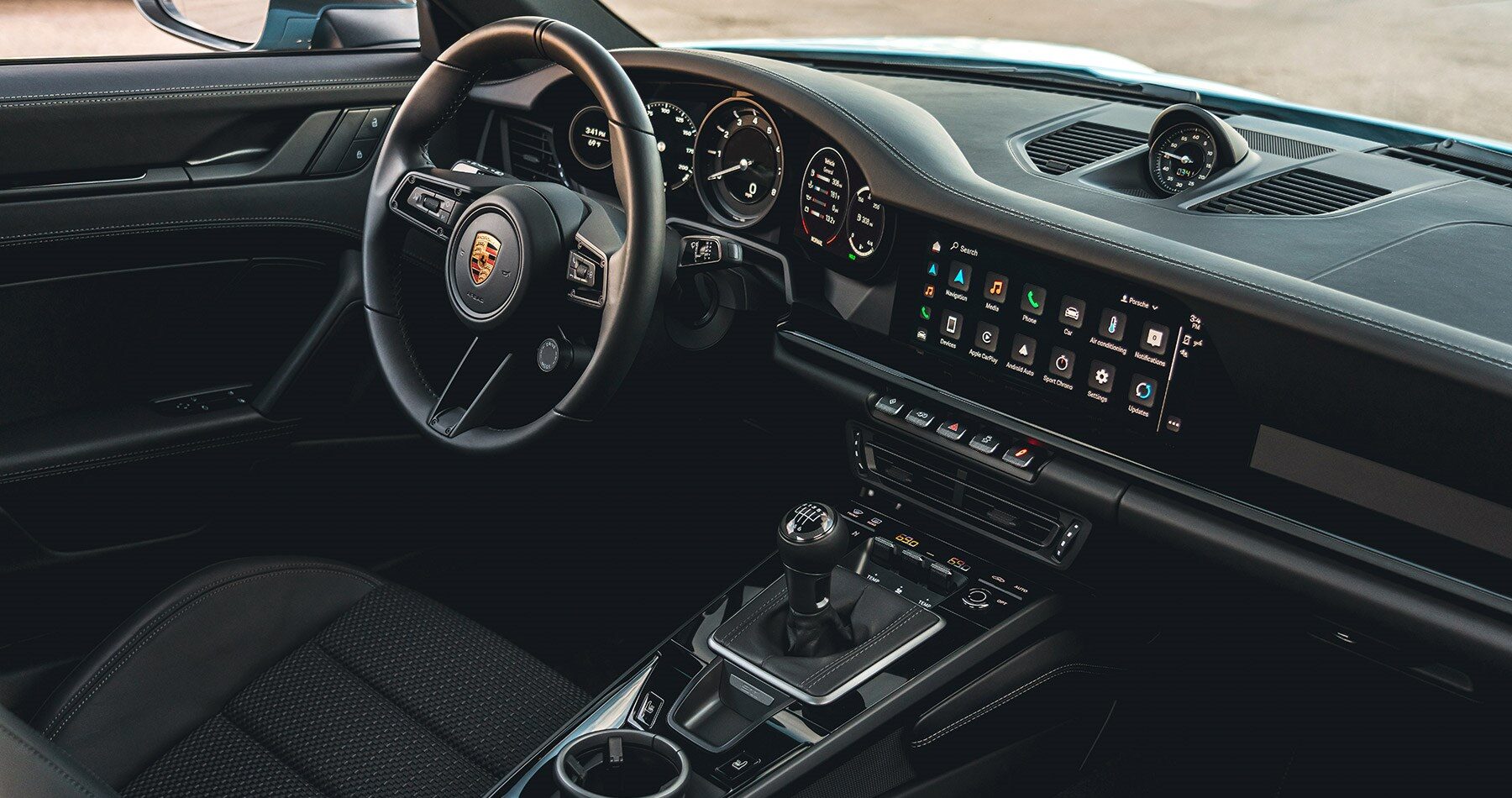
The most plausible explanation for the recent price spike lies in rising list prices for new cars. Porsche announced a 6.4% price increase for model year 2026. As a result, the base Carrera moved from roughly €112,000 to around €120,000.
Only a few months later, prices were increased again by approximately 3.6%, officially due to “market conditions.” This pushed the base 911 Carrera close to €124,000. In just a short span, new-car prices rose by more than 10%.
It is only logical that the used market adjusted upward in response. But this also helps explain why prices are now softening again. The depreciation curve may have shifted upward in parallel—and is now continuing its traditional downward path from a higher starting point.
Why the U.S. and German markets look so different
The recent price behavior is largely a U.S.-specific phenomenon. In Germany, the 992.1 market follows a much more traditional depreciation curve. Prices continue to decline year over year, although at a slower rate than before. This suggests a healthier and more balanced market. When viewed side by side, the U.S. market appears overstretched, while the German market provides a clearer reference point for where values may eventually settle.
Older 911 generations continue to gain strength
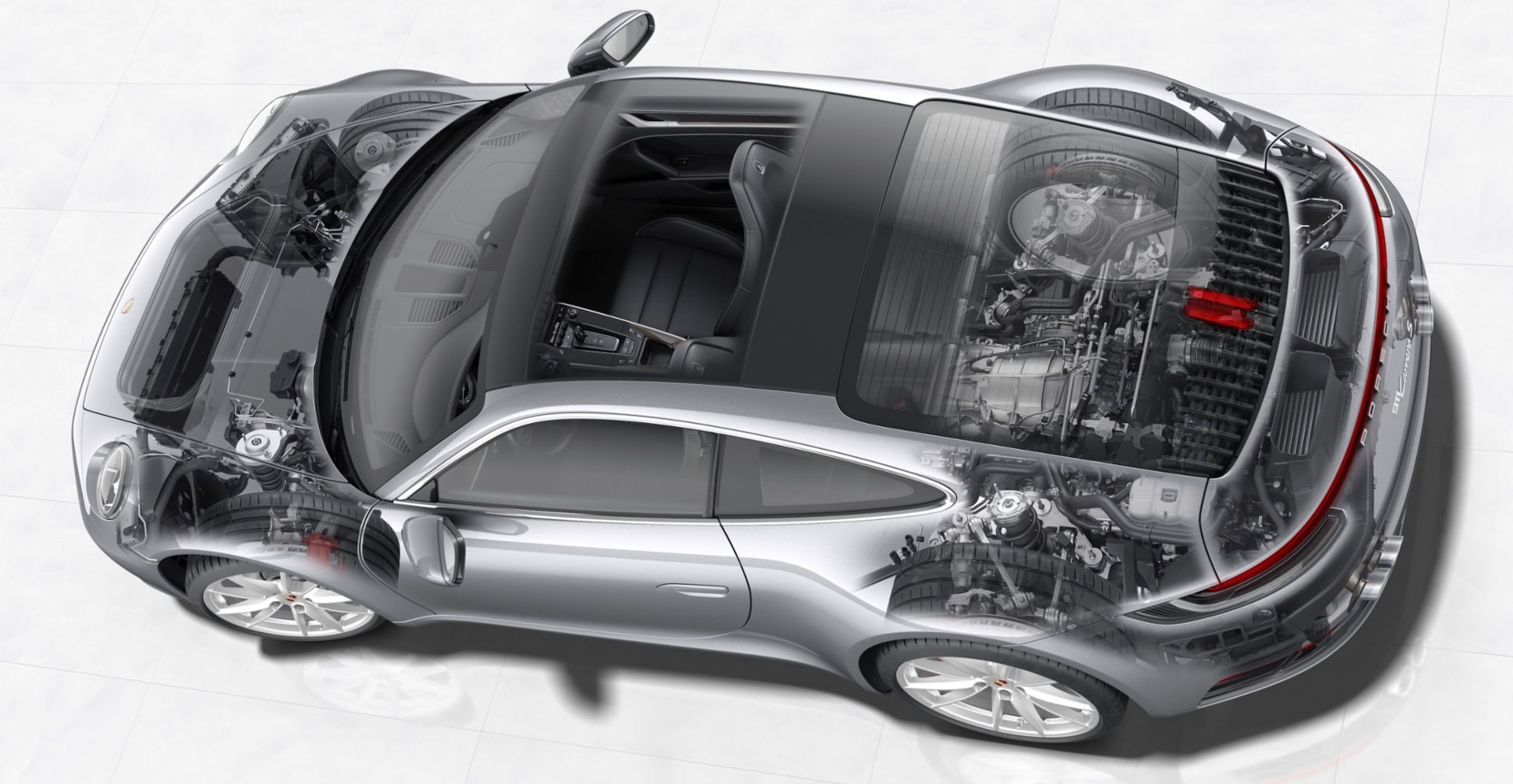
While the newest Carreras are losing steam, older generations tell a very different story:
-
992.2: A mixed picture. GTS and base models are slowing, while Carrera S prices continue to rise.
-
911.1: Still firmly in an upswing, with inflation-adjusted prices near record highs.
-
997.2 and 997.1: Strong appreciation continues, with year-over-year gains reaching 9–11%, statistically confirmed.
-
996: Prices are also rising, though less aggressively than in the 997 generation.
The result is a clear market split: 992.1 values may be peaking, while most older 911 generations continue to strengthen.