
















































Porsche 911 market 2025: Key trends
 Added on: December 10, 2025
 Author: OctoClub
1. The 911 vs. the general sports car market
2. Which 911 models are leading the surge?
3. Turbo models are climbing across all generations
4. What’s driving these price increases?
5. Will prices continue to rise – or cool off?
6. What this means for buyers and sellers
7. Conclusion
The 911 vs. the general sports car market
Following the pandemic peak, both the overall sports car market and the 911 market declined. But the similarities end there. While the broader market recovered slowly starting in May 2023, the 911 market rebounded dramatically faster. That gap widened until mid-2024, when 911 prices corrected slightly more than the market average.
From late 2024 through mid-2025, the gap held steady — and then something changed.
Since June 2025, 911 prices have surged again.
-
Average change in the general sports/supercar market: –0.7%
-
Average change across Porsche 911 models: +7.8%
Most 911s increased between 2.7% and 15%, while most other performance cars declined. The difference is striking.
Which 911 models are leading the surge?
Pulling the data together across Carrera 2, Turbo, GT3, GT3 RS, GT2, GT2 RS, Speedster, and the 911R reveals clear winners.
Top Performers
Leading the 2025 appreciation wave:
-
911 Speedster
-
997 GT3 RS (especially the 4.0 variant)
-
911 GT2 RS
Porsche 911 GT2 RS
GT2 RS prices dipped slightly after the pandemic top but rebounded quickly. A massive acceleration in late 2025 pushed values into the $446,000–$525,000 range — even after assuming a 30% option load on top of MSRP. Clean-title cars are now typically priced above MSRP.
Cars with accident history or questionable mileage remain significantly cheaper — and reminding buyers to check provenance is crucial. In fact, recent CarVertical reports reveal issues like hidden damage and mileage rollbacks even in high-end cars.
Turbo models are climbing across all generations
The entire Turbo range — 992, 991, 997, and even 996 — is on a strong upward trend, with most models increasing more than 5% year-over-year.
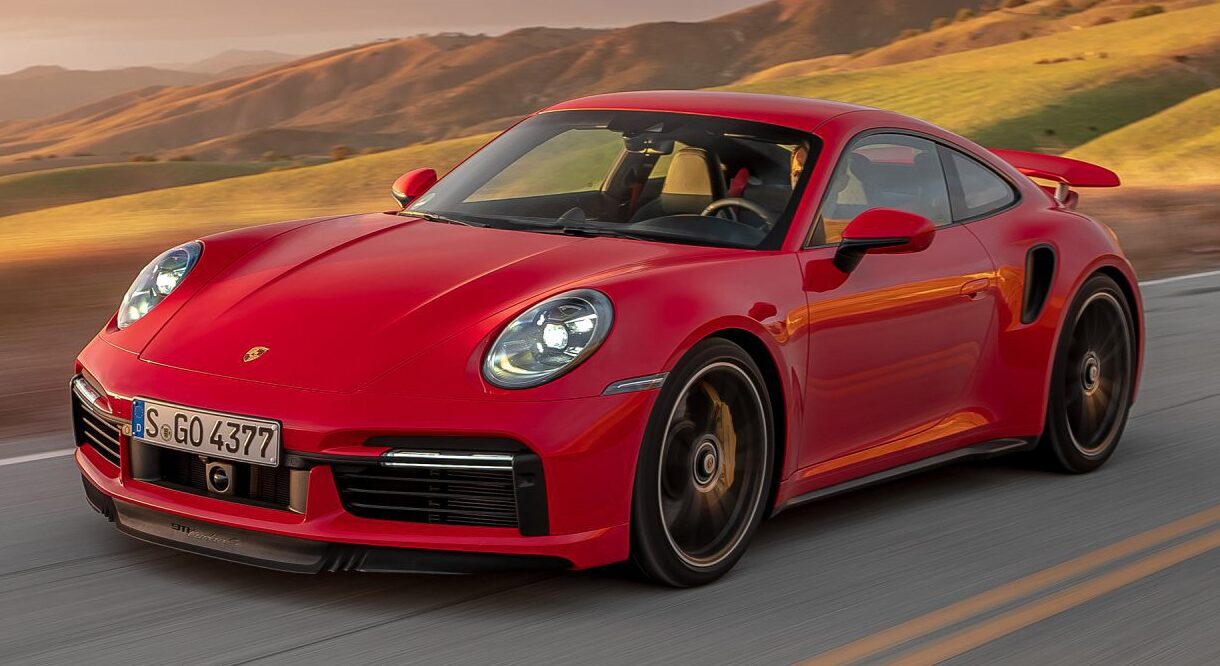
992 Turbo and Turbo S
-
Turbo S: +7.1%
-
Turbo: +6.3%
Both increases are statistically confirmed and unlikely to be the result of chance.
991.2 Turbo and Turbo S
-
Turbo S: +7.7%
-
Turbo: +5.9%
Values are again approaching the 2022 record highs.
991.1 Turbo Range
-
Turbo S: +6.1%
-
Turbo: +7.8%
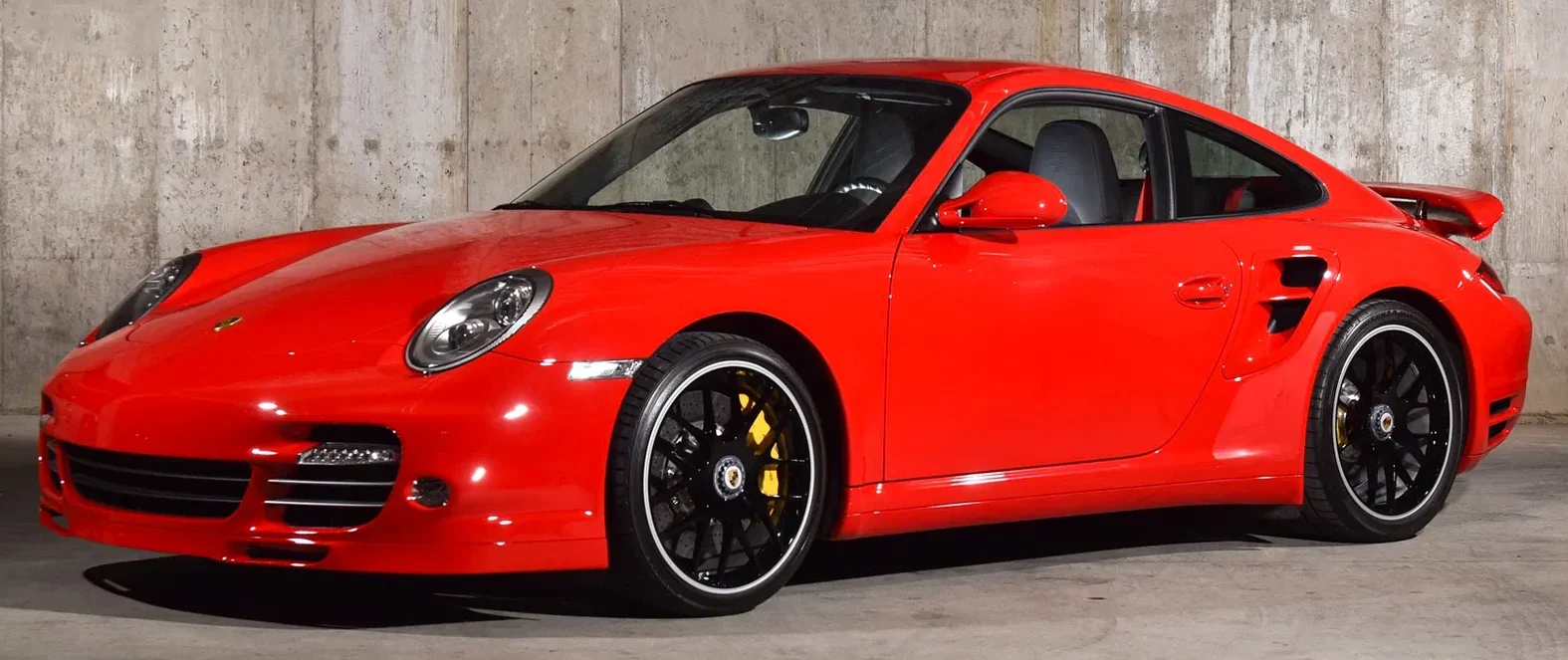
997 Turbo
-
Turbo S: +6.7%
-
Turbo: +8%, reaching an all-time high (pre-inflation).
996 Turbo
Even the aging 996 Turbo is rising:
-
Turbo: +4.1%
-
Turbo S: +5.9%
This makes the Turbo market one of the most stable, predictable, and steadily appreciating segments within the 911 portfolio.
What’s driving these price increases?
The appreciation across nearly all 911 models seems to be the result of several combined factors:
- A stronger overall sports car market
Lamborghini, Ferrari, McLaren, and Maserati MC20 prices are flattening or rising.
Ferrari 458 Speciale values, for example, surged by 50%.
- Porsche MSRP increases
The 992 Carrera’s MSRP rose from $122,000 to $135,000 within months.
New-car price increases often pull up used-car values as well.
Will prices continue to rise – or cool off?
While the market is still strong, inventory behavior suggests a possible slowdown.
Historically, 911s that fail to sell within 3 months get discounted, especially in winter. But last summer was unusual: sellers stopped discounting — and in some cases even raised prices.
Recently, however, price adjustments have returned to normal, indicating that sellers believe the market has weakened slightly:
-
Turbo unsold-inventory discounts: –2% (vs. –4% in 2024)
-
Carrera: –2% (vs. –4% in 2024)
-
GT3 RS: –1% to –4%
The GT3 market continues to behave differently, but for most models, the market appears to be stabilizing rather than accelerating.
What this means for buyers and sellers
If you’re considering buying:
-
Don’t expect the same explosive growth of early 2025 to continue.
-
Prices may stabilize or cool slightly.
-
The safest buys are models with proven long-term demand: Turbos, GT cars, and limited editions.
If you’re considering selling:
-
The market is still stronger than in 2024 and comparable to mid-2023.
-
This may be a good window to sell models that experienced rapid appreciation.
Conclusion
The Porsche 911 market is one of the strongest-performing segments in today’s automotive landscape. While broader sports cars continue to depreciate, 911 prices — across almost every generation and segment — are climbing.
Still, signs point toward a potential cooling period rather than continued explosive growth. As always, data-driven analysis is the most reliable guide through a fast-moving market.
Q: Why are Porsche 911 prices rising while many other sports cars are falling?
A: The 911 benefits from unusually strong and consistent demand across multiple generations. Its reputation, limited supply of desirable specifications, strong enthusiast following and relatively high new-car prices all support used values. The fact that both modern and older 911s are performing well suggests that this is not simply a short-term effect affecting one generation.
Q: Is the Porsche 911 Turbo a good choice if you want to preserve value?
A: It has historically been one of the safer choices within the 911 range. The current data shows appreciation across several generations, from the 996 Turbo through the 992 Turbo S. However, buying the right example matters: originality, mileage, specification, maintenance history and accident-free provenance can have a major effect on resale value.
Q: Are older Porsche 911s a better investment than newer ones?
A: Not necessarily. Older cars can benefit from scarcity and growing collector interest, but condition and specification become increasingly important with age. A desirable 997 or 996 can outperform a less sought-after newer 911, while a rare GT or limited edition can behave very differently from a standard Carrera.
Q: What should you check before buying a used Porsche 911?
A: Provenance should be one of the first priorities. Check the VIN and service history, verify mileage, investigate previous accidents or repairs and obtain an independent pre-purchase inspection. On expensive 911s, a seemingly attractive price can conceal significant costs if the car has hidden damage, questionable mileage or poor maintenance.
Q: Can a Porsche 911 still depreciate?
A: Absolutely. The 911 is not immune to depreciation. Market conditions, mileage, specification, generation and purchase price all matter. Standard cars with high mileage or unpopular specifications can behave very differently from GT, Turbo or limited-production models.
Q: When is the best time to sell a Porsche 911?
A: There is no universally perfect month, but selling when demand is strong and comparable cars are moving without significant discounts can improve your chances of achieving a good price. More importantly, monitor actual transaction prices rather than relying only on asking prices, because sellers can list cars above realistic market value.
Inspired by the analysis of our friend @fourwheeltrader. Make sure you check his other videos https://www.youtube.com/@fourwheeltrader/featured.
Are you already a proud owner of a Porsche 911? If so, check out our selection of parts for this car at the following link:
https://octoclassic.com/product-category/porsche/911
Photos sources: autoevolution.com, uncrate.com, supercars.net, elferspot.com, caricos.com