
























































Preparing a youngtimer for the 2026 season
 Added on: April 23, 2026
 Author: OctoClub
2. Fluid dynamics and chemical integrity
3. Electrical system diagnostics
4. Chassis and drivetrain inspection
6. FAQ: Technical troubleshooting for the 2026 season
Technical checklist
The transition from winter storage to active use requires a systematic approach to prevent mechanical failure. For cars produced between 1980 and 2005, simple maintenance is not enough; one must account for material aging, especially regarding rubber components and electronics.
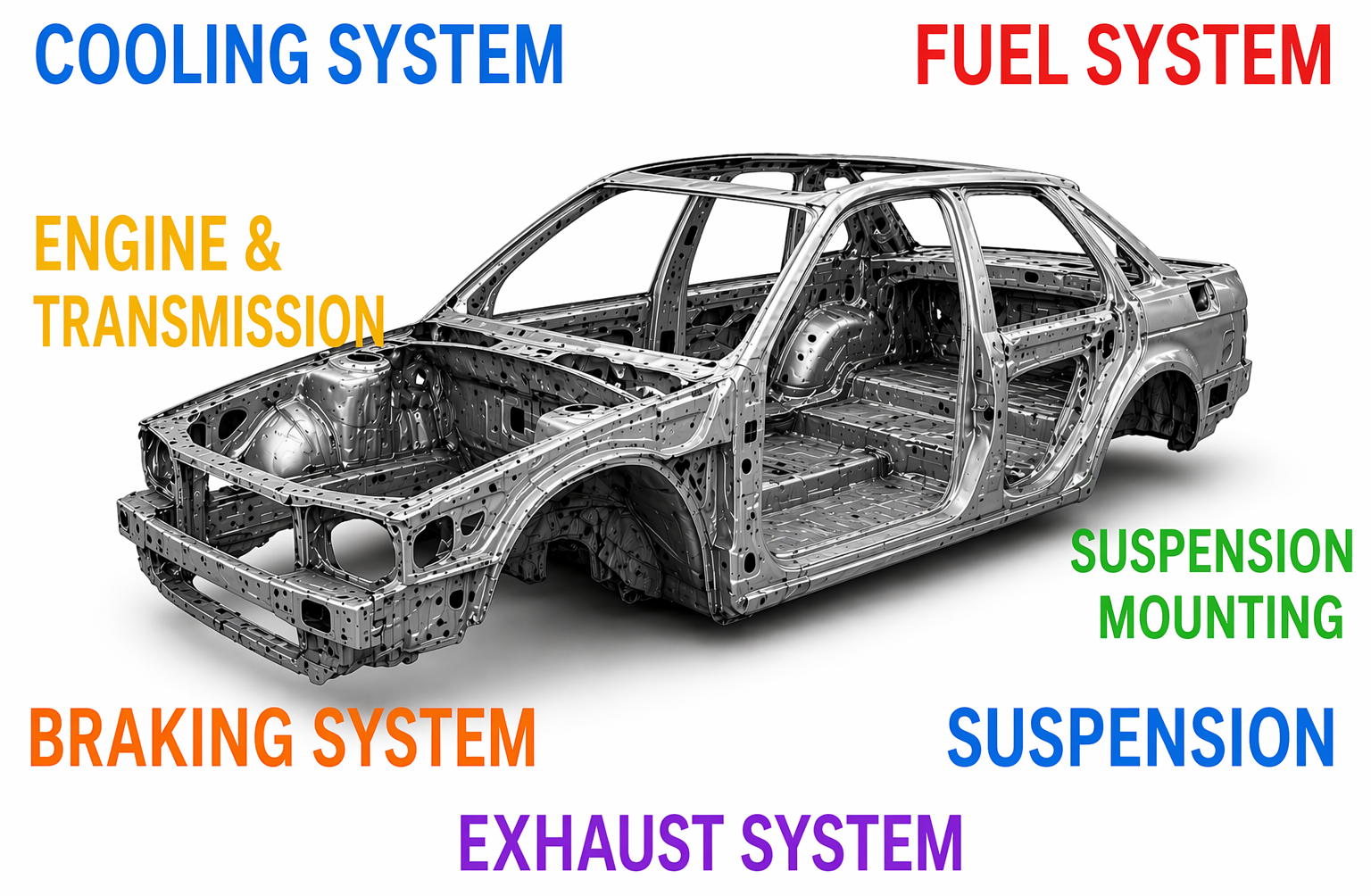
Fluid dynamics and chemical integrity
Stagnant fluids undergo chemical changes that can affect engine and braking performance.
- Engine Lubrication: Even with low mileage, oil should be replaced annually due to oxidation and moisture accumulation. In engines like the BMW M52 or Mercedes M102, ensure the oil filter housing is inspected for brittle gaskets.
- Braking System: Brake fluid is hygroscopic. Use a tester to check water content. If it exceeds 2%, a full flush is mandatory to prevent internal corrosion of the calipers and master cylinder.
- Cooling System: Inspect the coolant’s freezing point and pH level. For models like the Porsche 944, check the condition of the expansion tank – aged plastic often develops hairline fractures during temperature shifts.
Electrical system diagnostics
Youngtimers rely on early electronic fuel injection and ignition systems that are sensitive to voltage fluctuations.
- Battery Performance: Beyond a simple voltage check, perform a load test. Clean the terminals with a wire brush and apply technical vaseline to prevent oxidation.
- Ignition Components: Inspect the distributor cap and rotor (if applicable, e.g., Mercedes W124) for carbon tracking. Replace spark plugs if they show signs of fouling from short “storage starts.”
- Ground Connections: Clean the main engine-to-chassis ground strap. This is the primary cause of sensor errors in 90s classics like the Audi 80 or Volkswagen Golf GTI.
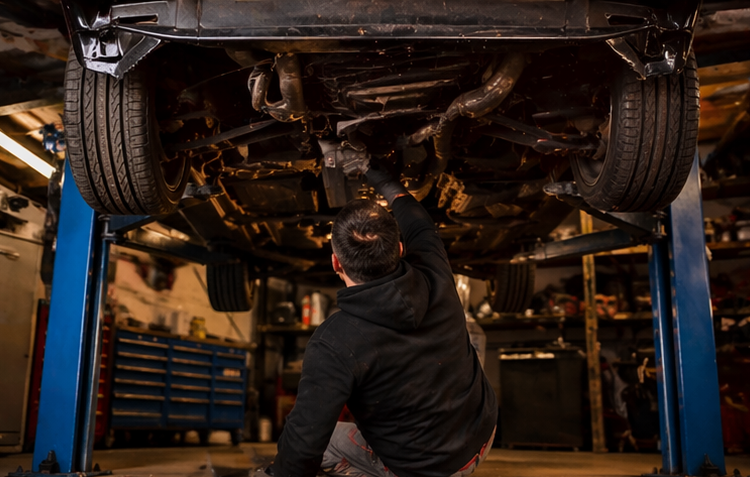
Chassis and drivetrain inspection
- Tires: Adjust pressure to factory specifications. Inspect the sidewalls for “dry rot” (cracking). If the tires are older than 6 years, their grip coefficient is significantly reduced, regardless of tread depth.
- Fuel System: Modern E10 fuel degrades quickly. If the car was stored with a low fuel level, replace the fuel filter to prevent clogged injectors in K-Jetronic or early EFI systems.
- Suspension Bushings: Rubber elements in the suspension of a Mazda MX-5 or Saab 900 may have hardened. Check for play in the control arms and ensure CV boot covers are not split.
The fuel factor
Modern fuel (especially with higher ethanol content) degrades quickly. If your tank was nearly empty, condensation might have formed. If it was full, the fuel might have “staled.”
- Pro Tip: Replace the fuel filter. It’s an often-overlooked part that, if clogged, can lean out your mixture and damage your engine under hard acceleration.
FAQ: Technical troubleshooting for the 2026 season
Q: What is the correct procedure for the first engine start after winter?
A: Disconnect the fuel pump relay or ignition coil and crank the engine for 10 seconds to build oil pressure. Reconnect and start. This prevents dry friction on the main bearings.
A: Disconnect the fuel pump relay or ignition coil and crank the engine for 10 seconds to build oil pressure. Reconnect and start. This prevents dry friction on the main bearings.
Q: Should the timing belt be replaced based on age or mileage?
A: Always both. For most youngtimers, the interval is 5 years or a specific mileage (e.g., 60k-100k km). If the car has been sitting for 2 years, the belt may have developed a “set” shape, increasing the risk of snapping.
A: Always both. For most youngtimers, the interval is 5 years or a specific mileage (e.g., 60k-100k km). If the car has been sitting for 2 years, the belt may have developed a “set” shape, increasing the risk of snapping.
Q: How to treat vintage leather and plastic trim before sun exposure?
A: Use products specifically designed for non-synthetic materials. Avoid silicone-based sprays, which can cause 90s dashboards to crack. Use pH-neutral cleaners and conditioners with UV blockers.
A: Use products specifically designed for non-synthetic materials. Avoid silicone-based sprays, which can cause 90s dashboards to crack. Use pH-neutral cleaners and conditioners with UV blockers.
Q: Why is the idle speed inconsistent on the first drive?
A: This is often caused by a sticking Idle Air Control (IAC) valve or a vacuum leak in aged rubber hoses. Inspect all vacuum lines for cracks that may have expanded during the winter.
A: This is often caused by a sticking Idle Air Control (IAC) valve or a vacuum leak in aged rubber hoses. Inspect all vacuum lines for cracks that may have expanded during the winter.
Are you already a proud owner of a BMW E30, Mercedes W124, Porsche 944, Mazda MX-5 and Audi 80? If so, check out our selection of parts for this car at the following link: