
















































A technical buyer’s guide to the Mazda MX-5 NA
 Added on: April 30, 2026
 Author: OctoClub
4. The details
5. FAQ: Buying your first Mazda MX-5 NA
Rust, lights, and engines
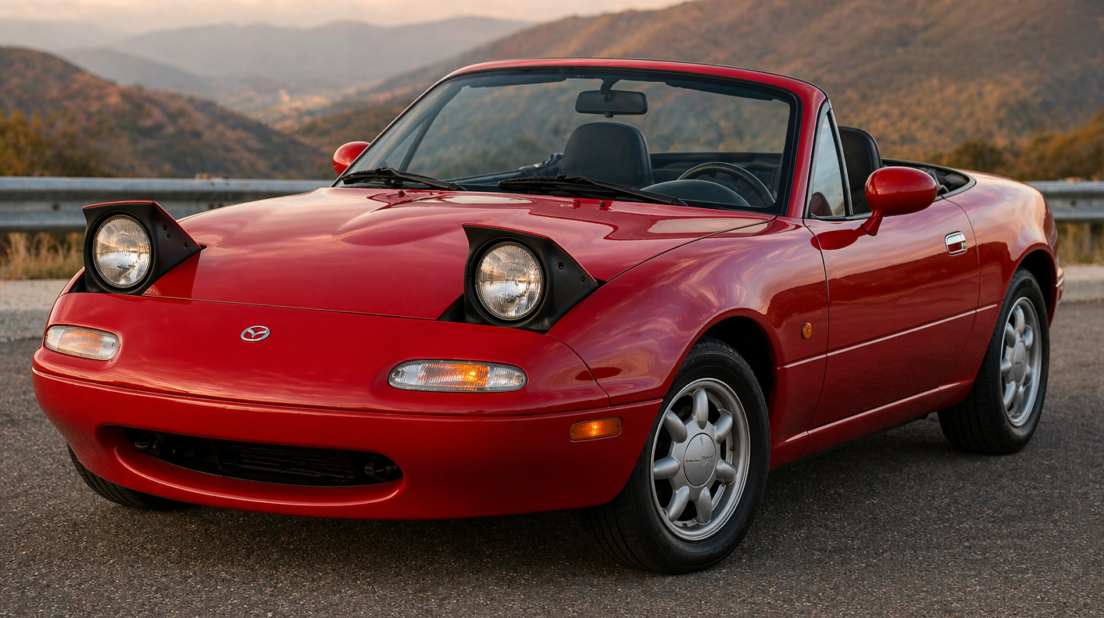
The Mazda MX-5 NA (1989–1997) has officially transitioned from a budget roadster to a sought-after youngtimer. With its iconic pop-up headlights and perfect 50/50 weight distribution, it remains the gold standard for analog driving pleasure. However, as these cars age, finding a solid investment requires a clinical approach to inspection.
If you are looking to purchase your first “Miata” in 2026, focus on these three critical areas: structural integrity, mechanical health, and the functional soul of the car.
Structural integrity
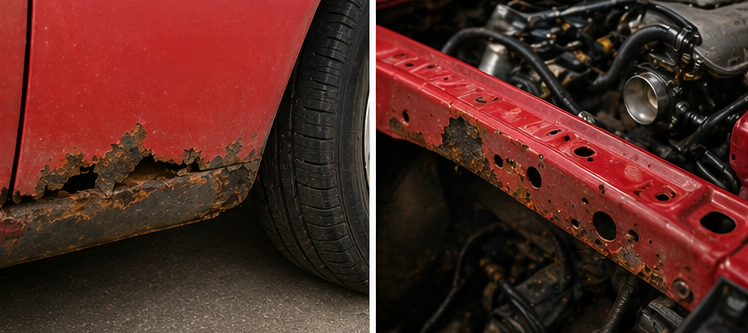
The MX-5 NA does not have a galvanized body, making corrosion its primary enemy. When inspecting a candidate, focus on the “Holy Trinity” of Miata rust:
- Rear Rocker Panels: Check the area just in front of the rear wheels. Rust usually starts from the inside out due to clogged soft-top drain holes. If the sills feel crunchy or show bubbling, expect expensive metalwork.
- Front Frame Rails: Inspect the engine bay rails. On later NA models (and NBs), these are multi-layered and prone to sandwich-style corrosion which compromises the car’s rigidity.
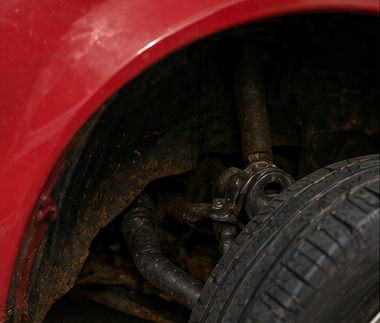
- Front Fenders: Look behind the plastic liners. Debris accumulates there, holding moisture against the metal.
The powerplant
Mazda’s 1.6L and 1.8L engines are notoriously robust, but they are not immortal.
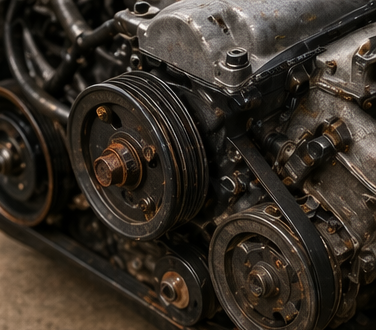
- The “Short Nose Crank” Issue: On early 1.6 models (1989–1991), inspect the crankshaft pulley. If it wobbles while the engine is idling, the keyway may be failing – a defect that can lead to total engine loss.
- Lifter Tick: A metallic tapping sound on a cold start is common (Hydraulic Lash Adjusters). While often solved with a high-quality oil flush and 10W-40 semi-synthetic oil, persistent noise may indicate neglected maintenance.
- Cooling System Aging: The original radiators turn from black to a brownish-green hue when the plastic becomes brittle. If you see this discoloration, plan for immediate replacement to avoid overheating.
The details
The charm of the NA lies in its specific features, but they require technical verification.
- Pop-up Headlights: Test the “barn doors” multiple times. Slow or uneven lifting usually points to failing motors or corroded linkage. Verify that the manual override knobs (under the hood) function correctly.
- Rain Rail and Soft Top: A dry interior is rare. Check for dampness behind the seats. A cracked “rain rail” (the plastic trough under the top) will dump water directly into the trunk and onto the fuel tank, leading to hidden rust.
Q: Is the 1.6L or the 1.8L engine better for a first-time buyer?
A: The 1.6L (115hp) is more rev-happy and feels “purer,” but the 1.8L (131hp) offers better torque and a reinforced differential. For 2026 market value, early 1.6 “Short Nose” cars are collectibles, while late 1.8 models are the best “drivers.”
A: The 1.6L (115hp) is more rev-happy and feels “purer,” but the 1.8L (131hp) offers better torque and a reinforced differential. For 2026 market value, early 1.6 “Short Nose” cars are collectibles, while late 1.8 models are the best “drivers.”
Q: How can I verify if the mileage is authentic?
A: Check the wear on the high-back tombstone seats and the original plastic steering wheel. In an MX-5, the gear shifter boot and the condition of the soft-top latches are often better indicators of use than the odometer.
A: Check the wear on the high-back tombstone seats and the original plastic steering wheel. In an MX-5, the gear shifter boot and the condition of the soft-top latches are often better indicators of use than the odometer.
Q: Should I avoid a car with an aftermarket “style bar”?
A: Yes, unless it is a certified roll bar. “Style bars” offer no rollover protection and can be dangerous in an accident. Check if the installation hasn’t damaged the rear interior plastics.
A: Yes, unless it is a certified roll bar. “Style bars” offer no rollover protection and can be dangerous in an accident. Check if the installation hasn’t damaged the rear interior plastics.
Q: What is the first thing I should do after buying an NA?
A: Immediately clear the four roof drains using a flexible brush or trombone cleaner. This single 5-minute task is the most effective way to prevent future rocker panel rust.
A: Immediately clear the four roof drains using a flexible brush or trombone cleaner. This single 5-minute task is the most effective way to prevent future rocker panel rust.
Are you already a proud owner of a Mazda MX-5? If so, check out our selection of parts for this car at the following link: