
























































The Secret Language of Car Interiors
 Added on: November 25, 2026
 Author: OctoClub
1. The 1970s: Luxury, simplicity and traditional craftsmanship
2. The 1980s: Angular shapes and the rise of technology
3. The 1990s: The perfect balance between analogue and digital
4. The 2000s: Screens, digital displays and a new design philosophy
5. What small details reveal about an entire generation
The 1970s: Luxury, simplicity and traditional craftsmanship
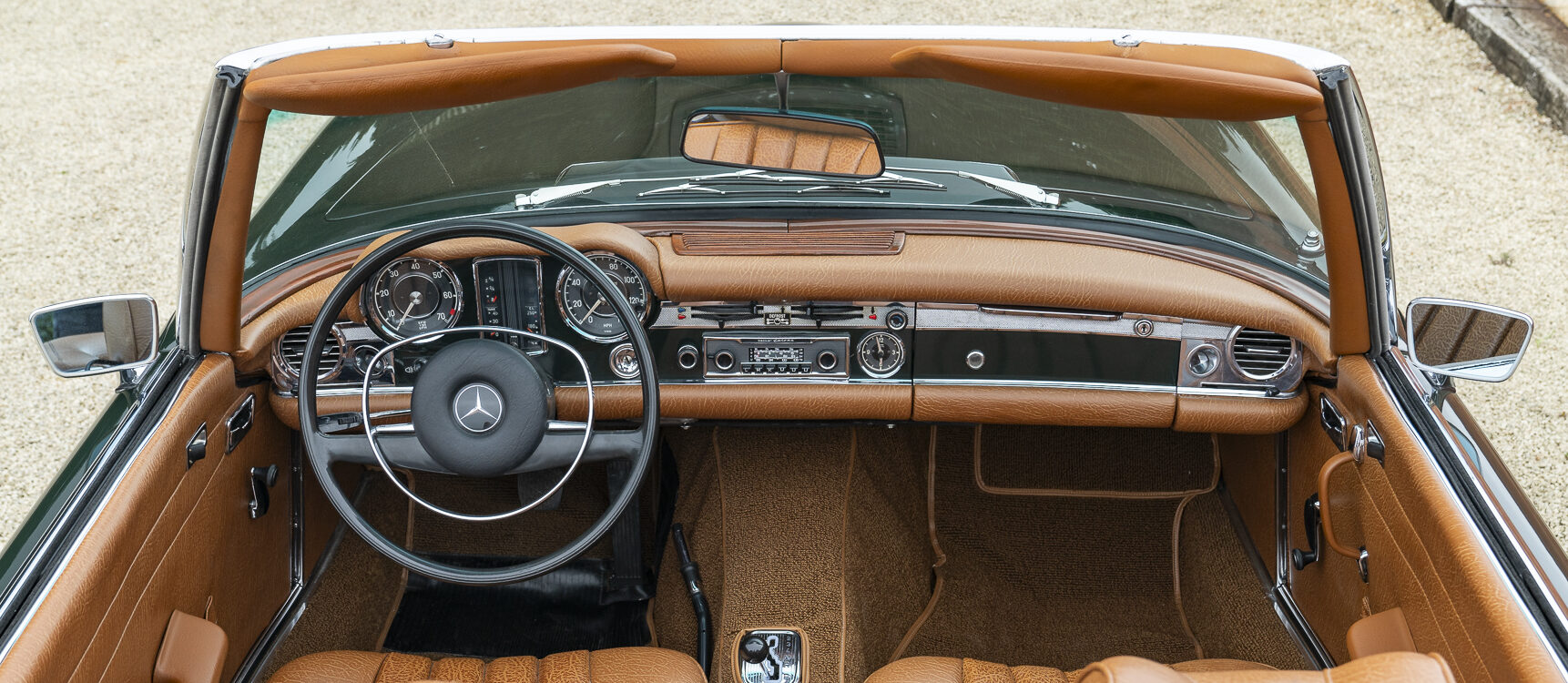
In the 1970s, many automotive interiors were designed around a relatively straightforward principle: comfort and functionality combined with traditional materials.
Wood veneer, chrome accents, large analogue instruments and generously padded surfaces were common features of luxury vehicles. Manufacturers such as Mercedes-Benz placed considerable emphasis on creating an atmosphere of solidity and understated elegance.
Dashboards were generally less crowded than those found in later decades. Physical controls were arranged to be accessible, while instruments focused on providing essential information without unnecessary distractions.
The overall impression was one of durability and timeless design rather than technological sophistication.
The 1980s: Angular shapes and the rise of technology
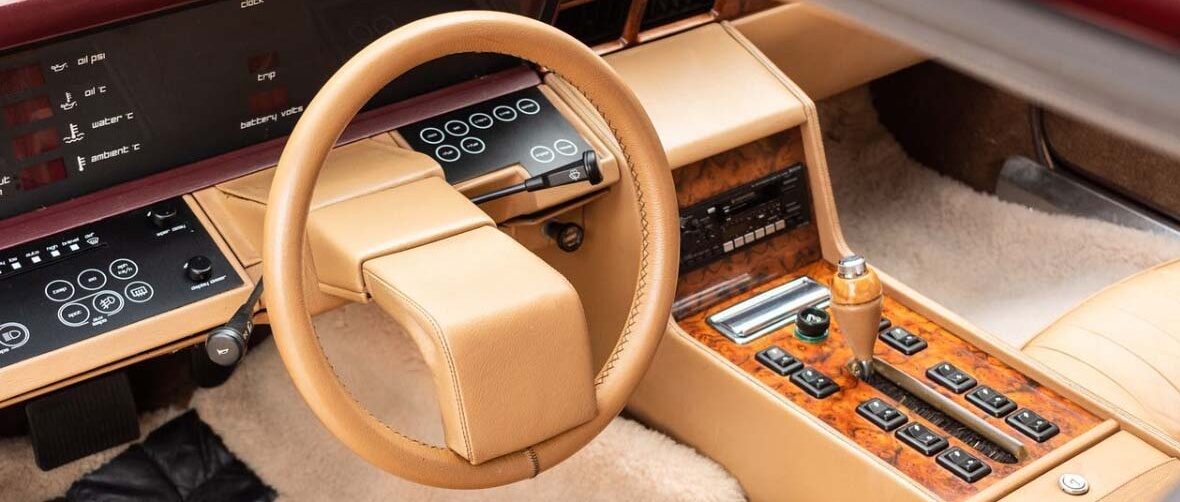
The 1980s introduced a noticeably different approach to interior design. Straight lines, geometric shapes and more pronounced dashboard structures became increasingly popular.
Automotive manufacturers began incorporating more electronic features, including digital clocks, trip computers, electronic displays and advanced climate control systems.
This period also saw the growing popularity of distinctive digital instrument displays. Models such as the Aston Martin Lagonda demonstrated just how futuristic a car interior could become, while more conventional vehicles gradually introduced electronic features into familiar dashboard layouts.
Materials and colours changed as well. Harder plastics, contrasting surfaces and more angular switchgear became characteristic of the decade.
The dashboard was no longer simply an arrangement of instruments and controls. It was increasingly becoming a demonstration of technological progress.
The 1990s: The perfect balance between analogue and digital
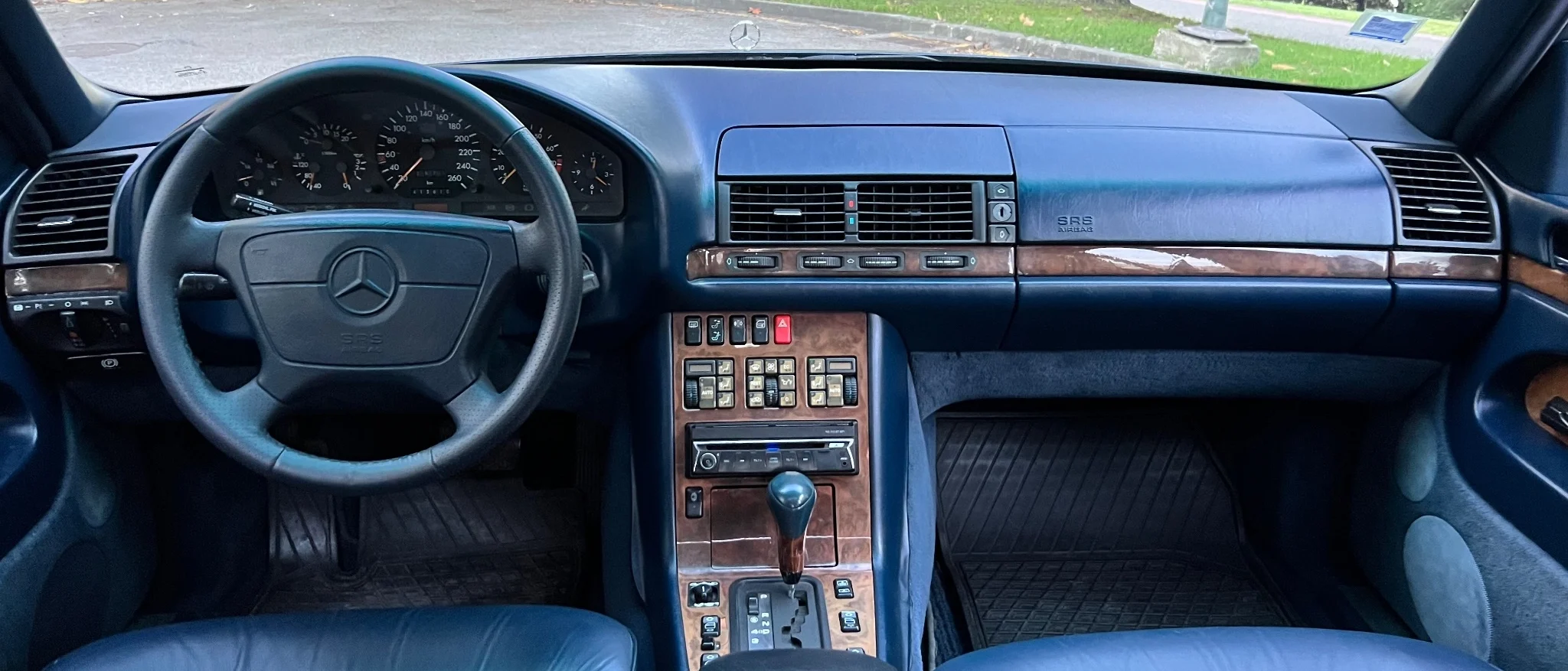
For many enthusiasts, the 1990s represent one of the most interesting periods in automotive interior design.
Manufacturers were introducing increasingly sophisticated electronics without completely abandoning traditional controls and instruments.
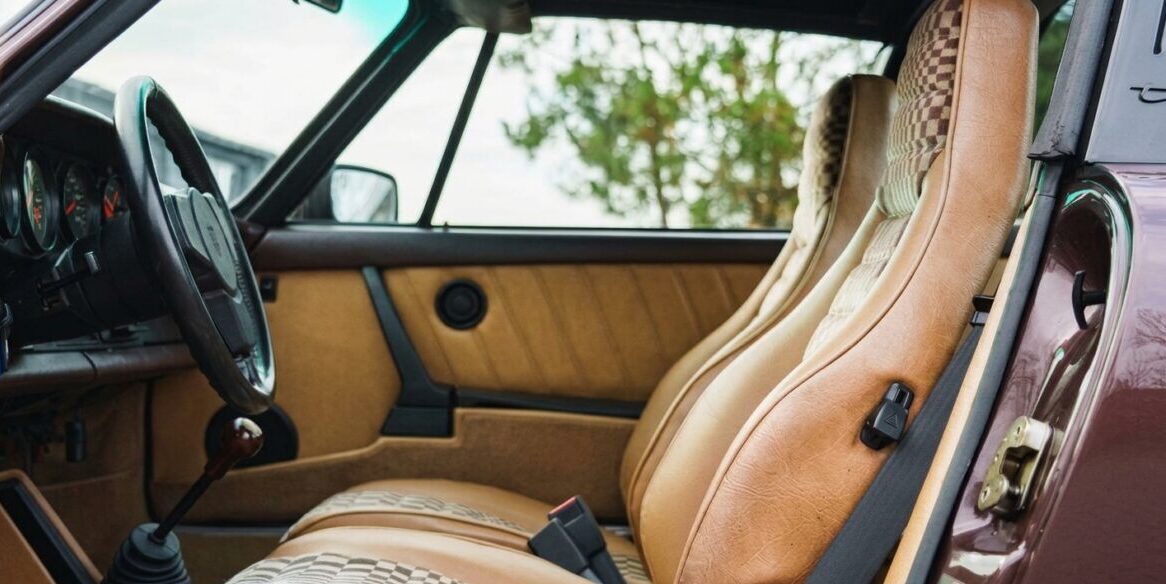
The Mercedes-Benz W140, BMW E38 and Porsche 911 of the 993 generation are excellent examples of this transition. Their interiors combined analogue gauges, physical buttons and carefully arranged controls with advanced electronic systems.
There was also a noticeable emphasis on ergonomics. Buttons were often designed with specific shapes and tactile feedback, allowing drivers to recognise and operate them without constantly looking away from the road.
Materials played an equally important role. Soft-touch surfaces, leather upholstery, wood trim and carefully finished plastic components helped create a sense of quality.
The result was an interesting combination: technology was becoming more advanced, but the driver still interacted with the car in a largely mechanical and intuitive way.
The 2000s: Screens, digital displays and a new design philosophy
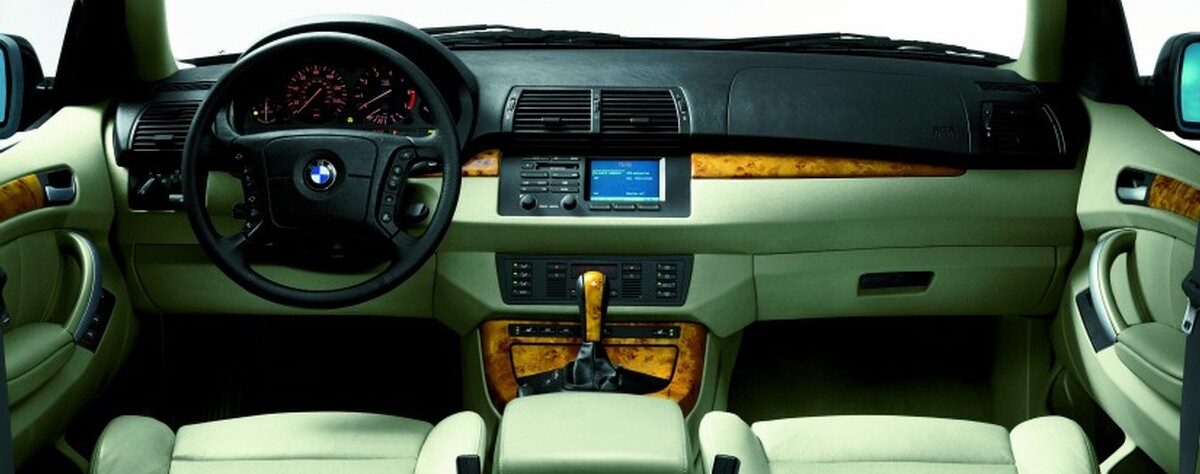
The early 2000s marked another significant shift. Digital technology became increasingly visible, and manufacturers began experimenting with larger displays, multifunction controls and more integrated electronic systems.
Navigation screens, multimedia interfaces and advanced onboard computers gradually became familiar features.
At the same time, dashboard layouts became more complex. Some manufacturers introduced distinctive centre consoles and unconventional control arrangements, while others moved towards cleaner, more minimalist designs.
The relationship between the driver and the vehicle was changing. Instead of interacting primarily with individual physical controls, drivers increasingly navigated menus and digital interfaces.
This development would eventually lead to the touchscreen-dominated interiors that are common in many modern vehicles.
What small details reveal about an entire generation
Looking at automotive interiors across different decades reveals how much can be communicated through seemingly insignificant design decisions.
The shape of an air vent, the sound of a button, the texture of a dashboard or the colour of instrument illumination can all reflect the priorities of a particular era.
These details also influence how we perceive a vehicle today. A well-designed 1990s interior can still feel intuitive and comfortable because its controls were created around direct physical interaction.
For classic car enthusiasts, this is particularly important. Preserving an original interior means retaining more than its appearance. It means maintaining the design language and character that made the vehicle distinctive in the first place.
Q: Why do classic car interiors remain popular among enthusiasts?
A: Classic car interiors offer a distinctive combination of craftsmanship, tactile materials and timeless design. Their physical controls and carefully arranged layouts also create a more direct connection between the driver and the vehicle.
Q: Which materials were commonly used in classic car interiors?
A: Depending on the model and period, interiors often featured leather, vinyl, wood veneer, chrome, aluminium and various types of textured plastics. The choice of materials reflected the vehicle’s character, price and intended market.
Q: How has dashboard design changed over the decades?
A: Early dashboards focused on essential instruments and simple controls. Later designs introduced digital displays, electronic systems and multimedia interfaces, gradually transforming the dashboard into a more technology-oriented environment.
Q: Why are physical buttons still appreciated in classic and modern cars?
A: Physical buttons provide tactile feedback and allow drivers to operate many functions without navigating menus. Their shape, position and feel can make everyday driving more intuitive.
Q: What makes a classic car interior feel luxurious?
A: Luxury is often created through a combination of material quality, precise fit, comfortable seating, thoughtful ergonomics and attention to small details. A well-designed interior does not necessarily need an abundance of technology to feel sophisticated.
Are you already a proud owner of a Mercedes-Benz W140, BMW E38 and Porsche 911? If so, check out our selection of parts for this car at the following link:
Photos sources: classicmotorhub.com, rarehistoricalphotos.com, standvirtuals.com, autoevolution.com, elferspot.com