












































What Is a Restomod? Classic Cars With Modern Performance
 Added on: July 16, 2026
 Author: OctoClub
1. Restoration meets modern technology
2. Restoration vs restomod: what is the difference?
3. The 1970 Chevrolet Chevelle LS5: a factory-style classic
4. The 1967 Ford Mustang Fastback: a complete restomod build
5. How do restomods drive compared with original classics?
6. Are restomods better than original classic cars?
7. How much does a restomod cost?
Restoration meets modern technology
A restomod is a classic car that combines traditional design with modern upgrades. The name comes from two words: restoration and modification.
Unlike a traditional restoration, which focuses on returning a vehicle to factory condition, a restomod keeps the original character of a classic car while improving areas such as performance, comfort, handling, and reliability.
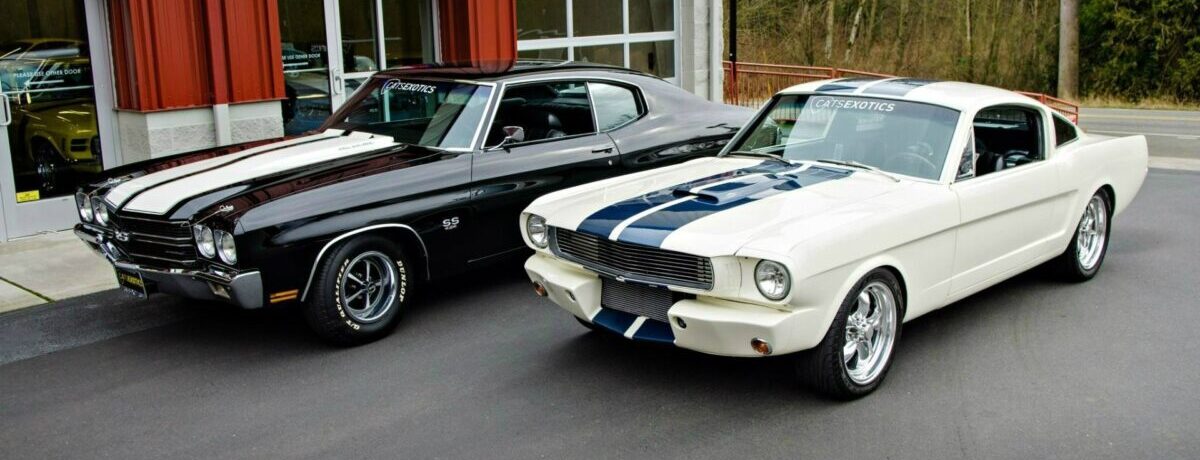
To understand the difference, two legendary American cars provide the perfect example: a 1970 Chevrolet Chevelle LS5 restored to factory standards and a 1967 Ford Mustang Fastback transformed into a modern restomod.
Restoration vs restomod: what is the difference?
A traditional restoration aims to preserve automotive history by bringing a car back to the condition it had when new.
Restored classics usually focus on:
- Original engines and components
- Factory colours and interiors
- Correct wheels and equipment
- Authentic details from the production period
A restomod takes a different approach. The exterior may remain completely classic, but underneath the car can feature modern engineering.
Typical restomod upgrades include:
- Modern engines
- Improved suspension
- Better brakes
- Updated transmissions
- Modern air conditioning
- Custom interiors
- Improved electronics
The goal is to create a classic car that is easier and more enjoyable to drive today.
The 1970 Chevrolet Chevelle LS5: a factory-style classic
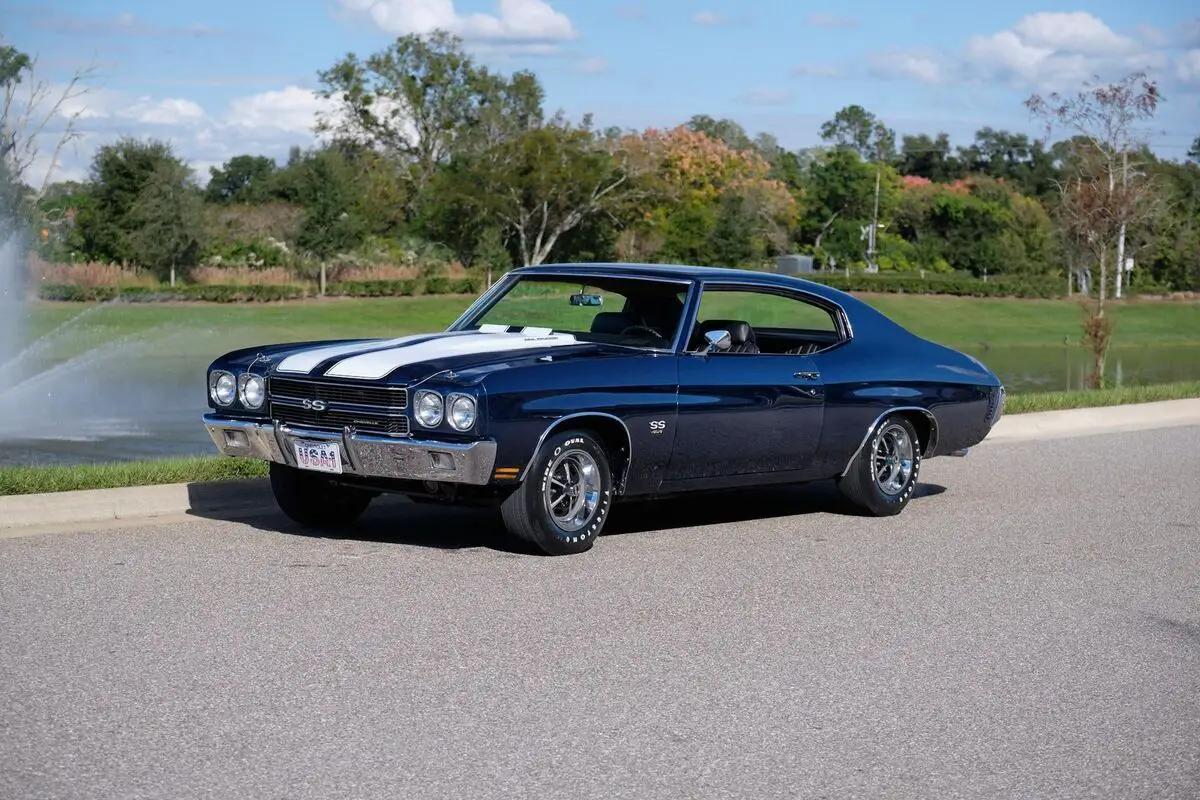
The 1970 Chevrolet Chevelle LS5 represents the traditional side of the classic car world.
This numbers-matching example has been restored to factory specifications and finished in its original Fathom Blue colour. Every detail, from the body lines to the interior, reflects the appearance of a high-quality original restoration.
The car features:
- Original-style wheels
- Factory-inspired interior
- Vinyl roof
- White stripes
- Correct engine bay details
Under the hood sits the legendary 454 cubic-inch LS5 V8 engine, producing approximately 360 horsepower.
The Chevelle also includes factory equipment such as air conditioning, power steering, and power brakes. Small improvements, including radial tyres and an electric cooling fan, improve usability while keeping the original character intact.
The 1967 Ford Mustang Fastback: a complete restomod build
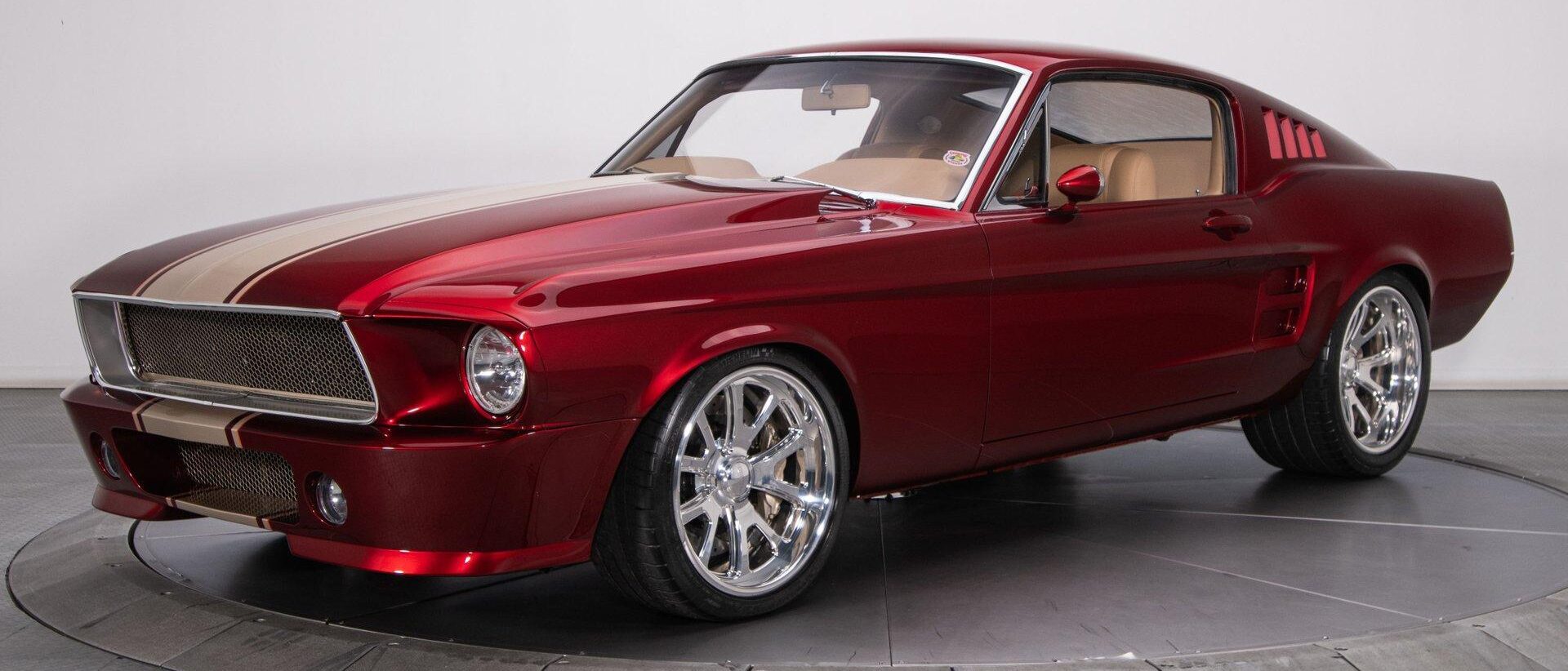
The 1967 Ford Mustang Fastback shows what happens when classic styling meets modern technology.
While the exterior keeps the iconic Mustang shape, almost everything underneath has been upgraded.
The car features a modern Ford Coyote V8 engine, delivering modern performance and reliability. It also uses a custom chassis created by Roadster Shop, replacing the limitations of the original unibody construction.
The upgrades include:
- Modern suspension
- Coilovers
- Wilwood brakes
- Four-wheel disc brakes
- Modern transmission
- Rack-and-pinion steering
- Updated air conditioning
Inside, the Mustang receives a modernised cabin with custom seats, updated gauges, a custom centre console, and improved audio equipment.
How do restomods drive compared with original classics?
The biggest difference between a restored classic and a restomod appears behind the wheel.
A restored Chevelle provides an authentic old-school experience. The driver feels the character of the original muscle car era, including the large V8 engine, classic steering feel, and mechanical connection.
A restomod Mustang offers a completely different experience:
- Faster acceleration
- Better braking
- Improved handling
- More comfort
- Greater confidence at modern speeds
A restomod allows enthusiasts to enjoy classic styling without many compromises of older technology.
Are restomods better than original classic cars?
There is no universal answer. It depends on what the owner wants.
A restored classic is ideal for collectors who value originality, history, and authenticity.
A restomod is better for drivers who want modern reliability, comfort, and performance while keeping the emotional appeal of a classic design.
Both approaches have their own dedicated followers. One preserves the past, while the other improves it for the future.
How much does a restomod cost?
The price of a restomod depends on the car, quality of workmanship, and level of modifications.
Typical costs include:
- Basic restomod projects: around €50,000–€100,000
- Professionally built examples: around €150,000–€300,000
- High-end custom builds: €300,000 or more
A high-quality restoration can also become expensive, especially when rare original parts and documentation are involved.
Q: What does restomod mean?
A: Restomod means a classic car that has been restored and upgraded with modern technology while keeping its original style.
Q: What is the difference between a restoration and a restomod?
A: A restoration returns a car to factory condition, while a restomod adds modern performance, comfort, and reliability upgrades.
Q: Are restomods more valuable than original classics?
A: Not always. Value depends on rarity, build quality, originality, and collector demand.
Q: Why are restomods popular?
A: Restomods allow owners to enjoy iconic classic designs with modern driving comfort, safety, and performance.
Q: Can any classic car become a restomod?
A: Many classic cars can be converted into restomods, but popular choices include Mustang, Camaro, Chevelle, Porsche 911, and other iconic models.
Q: Is a restomod easier to drive than an original classic?
A: Usually yes. Modern suspension, brakes, steering, and engines make restomods more suitable for everyday driving.
Inspired by the analysis of our friend @vanguardmotors. Make sure you check his other videos
https://www.youtube.com/@vanguardmotors
Are you already a proud owner of a Chevrolet Chevelle and Ford Mustang? If so, check out our selection of parts for this car at the following link:
https://octoclassic.com/product-category/chevrolet
https://octoclassic.com/product-category/ford/mustang
Photo sources: wallhaven.cc