























































Why Youngtimers Are Taking Over Europe’s Car Culture in 2026?
 Added on: May 30, 2026
 Author: OctoClub
1. The rise of a new automotive generation
2. What makes a car a youngtimer?
3. Why enthusiasts are turning away from modern cars
4. The models everyone wants right now
5. Why youngtimers still offer affordable entry into collecting
6. Are youngtimers actually good investments?
7. The future of youngtimers looks stronger than ever
The rise of a new automotive generation
For decades, the classic car world was dominated by chrome-heavy legends from the 1950s and 1960s. Collectors chased rare Jaguars, vintage Ferraris, and pre-war Mercedes models that often cost more than luxury apartments.
But in 2026, the landscape looks completely different.
Across Europe, a younger generation of enthusiasts is driving demand for a different kind of collectible car – the youngtimer. Vehicles from the late 1980s, 1990s, and early 2000s are becoming the hottest trend in automotive culture, combining nostalgia, affordability, and genuine driving pleasure.
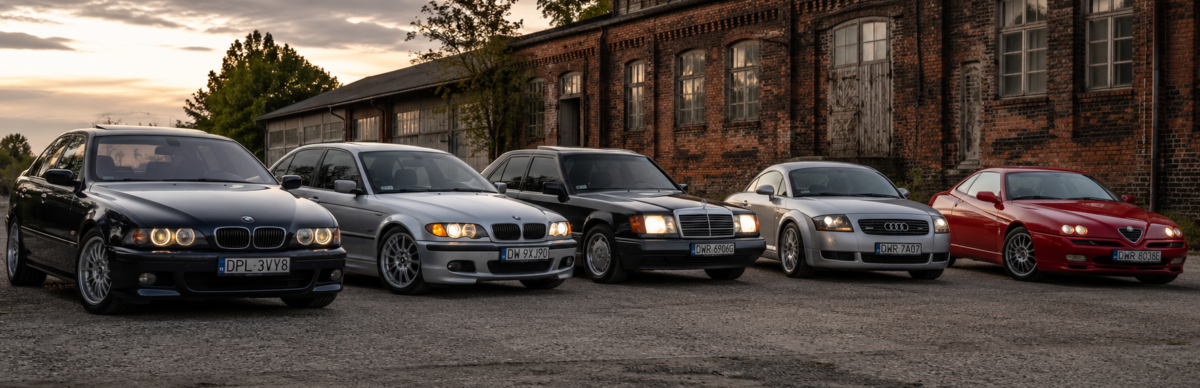
Cars once considered ordinary used vehicles are suddenly attracting serious attention. BMW E39s, Mercedes W124s, Audi TTs, Alfa Romeo GTVs, and Peugeot GTIs are no longer just transportation. They are becoming emotional investments.
And for many enthusiasts, they represent the final golden age of analog motoring.
What makes a car a youngtimer?
The term “youngtimer” usually refers to cars that are between 20 and 30 years old but have already developed collector appeal. Unlike traditional classics, these cars still feel modern enough to drive daily while offering something newer vehicles often lack – personality.
Most youngtimers were built before the automotive industry became fully digital. They feature hydraulic steering, naturally aspirated engines, manual gearboxes, and mechanical simplicity that modern drivers increasingly miss.
These cars also connect emotionally with today’s buyers. Millennials and Generation X enthusiasts are now financially able to purchase the dream cars they admired during childhood. The posters once hanging on bedroom walls are becoming reality in garages across Europe.
That emotional nostalgia is one of the biggest forces driving the youngtimer boom.
Why enthusiasts are turning away from modern cars
The automotive world is changing faster than ever. Electric vehicles, touchscreen-heavy interiors, driver assistance systems, and software-controlled driving experiences are becoming standard.
While technology has made modern cars faster and safer, many drivers feel something important has disappeared.
Youngtimers offer an experience that feels increasingly rare:
- direct steering,
- mechanical feedback,
- simple controls,
- and genuine connection between driver and machine.
A 1998 BMW or a 2001 Alfa Romeo may not be the fastest car on the road, but it delivers something modern performance cars sometimes struggle to provide – emotion.
This is why enthusiasts across Germany, France, Italy, and the United Kingdom are rediscovering analog-era vehicles. In many ways, youngtimers are becoming a form of automotive rebellion against over-digitized driving.
The models everyone wants right now
Not every old car becomes collectible. The market rewards cars with iconic styling, motorsport heritage, unique engineering, or strong enthusiast communities.
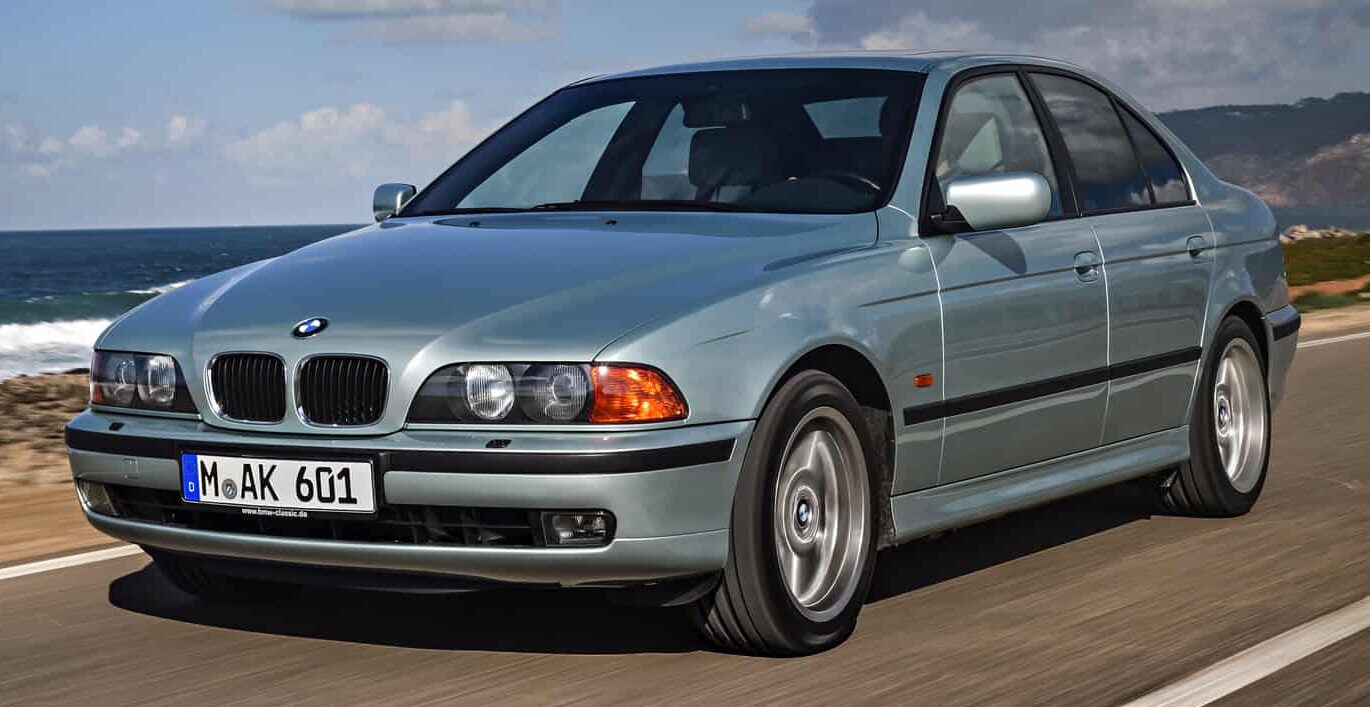
One of the strongest performers in recent years has been the BMW E39 5 Series. Widely considered one of the best sports sedans ever built, clean manual examples are becoming increasingly difficult to find. Prices for low-mileage models continue to rise throughout Europe.
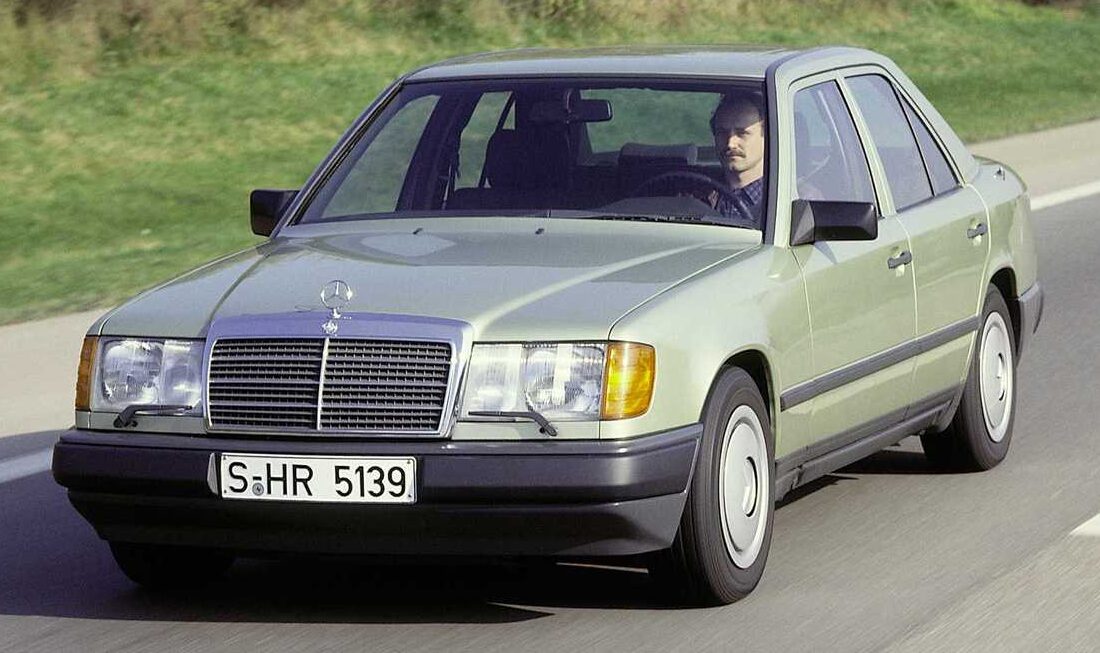
The Mercedes-Benz W124 is another major success story. Known for legendary reliability and over-engineered construction, it has earned cult status among collectors. Coupe and V8 versions are especially desirable and can already command prices exceeding €30,000 for pristine examples.
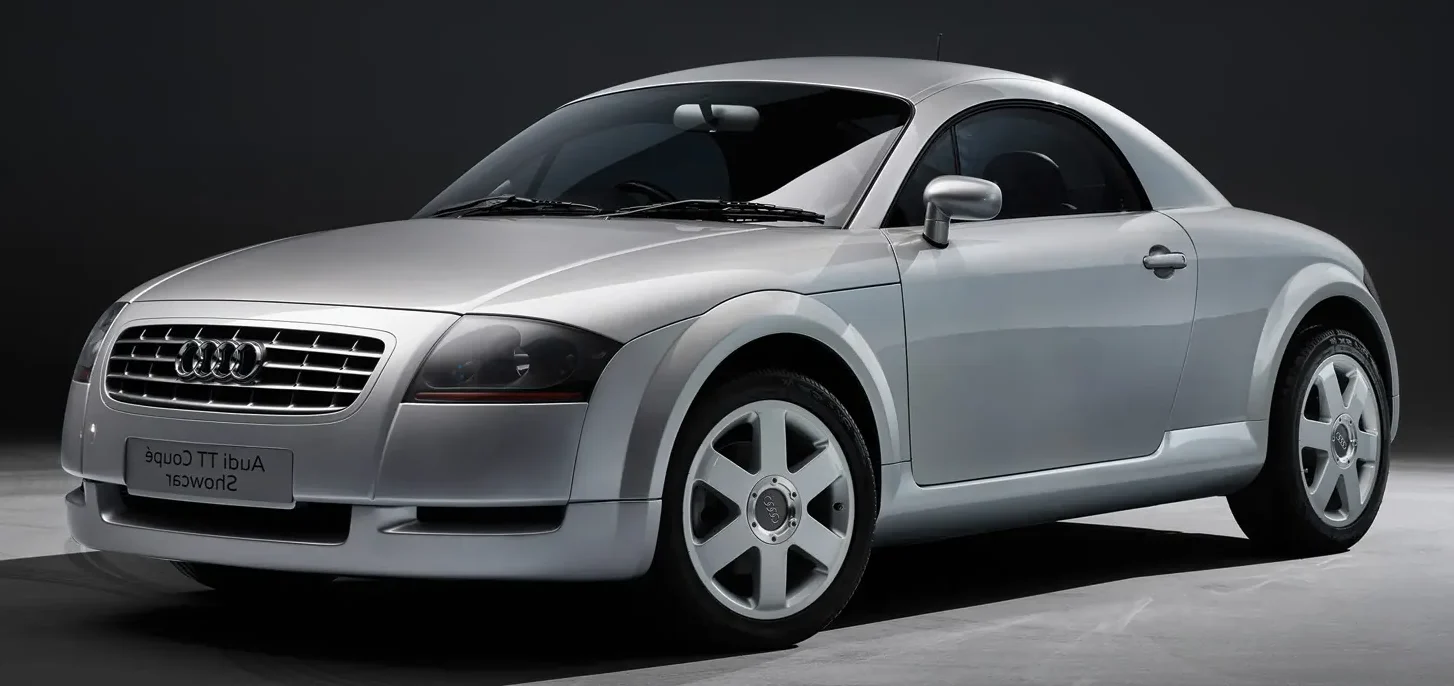
Meanwhile, the first-generation Audi TT has transformed from affordable used coupe to modern design icon. Its Bauhaus-inspired styling and unmistakable silhouette have aged remarkably well, making it one of the most recognizable youngtimers on the market today.
Even small city cars are joining the trend. The original Renault Twingo, once one of Europe’s cheapest urban cars, has become surprisingly collectible. Rare and well-preserved versions now sell for prices nobody would have imagined ten years ago.
Why youngtimers still offer affordable entry into collecting
One reason youngtimers are exploding in popularity is simple: accessibility.
Traditional classic cars can require enormous budgets. A restored Ferrari from the 1960s may easily exceed €500,000, while even ordinary classics from that era often demand expensive maintenance and specialized restoration work.
Youngtimers remain far more realistic for average enthusiasts.
A clean Audi TT Mk1 can still be found for around €10,000 to €16,000. Well-maintained Saab turbo models often cost under €8,000. Even stylish coupes like the Alfa Romeo GTV 916 remain relatively affordable compared to older collector vehicles.
This lower financial barrier allows younger buyers to enter the collector market without needing millionaire-level budgets.
Are youngtimers actually good investments?
The growing prices naturally raise one important question: are youngtimers good investments?
In some cases, absolutely.
The strongest-performing cars usually share several key characteristics:
- low mileage,
- original paint and interior,
- complete service history,
- and limited modifications.
Collectors increasingly prioritize originality. Factory condition has become extremely important, especially for German and Japanese performance cars from the 1990s and early 2000s.
However, experts also warn that not every aging car will become valuable. Vehicles with poor reliability reputations, excessive production numbers, or weak enthusiast communities may never gain serious collector status.
The smartest buyers focus on iconic models with strong emotional appeal and limited surviving examples.
In today’s market, nostalgia has become one of the most powerful economic forces in the automotive world.
The future of youngtimers looks stronger than ever
The next decade may completely redefine what society considers a “classic car.”
As Europe moves toward electrification and increasingly strict emissions regulations, analog combustion-era vehicles are becoming more emotionally significant. Many enthusiasts now see youngtimers as symbols of a disappearing automotive culture.
Cars from the late 1990s and early 2000s occupy a perfect middle ground. They are old enough to feel nostalgic but modern enough to drive comfortably every day.
Most importantly, they remind people of a time when driving felt simpler, louder, and far more emotional.
That emotional connection is impossible to manufacture.
And that is exactly why youngtimers are no longer just old cars – they are becoming cultural icons of an automotive era that may never return.
FAQ: Everything you need to know before buying a Youngtimer
Q: Are youngtimers expensive to maintain?
A: Generally no – compared to classic cars from the 1960s or modern premium vehicles, youngtimers are still relatively affordable to run. Routine servicing for models like the BMW E39 or Audi TT Mk1 typically costs between €200-€600 per year if the car is in good condition. However, neglected examples can quickly become expensive, so maintenance history matters more than mileage.
Q: Are youngtimers reliable enough for daily driving?
A: Yes, many of them are surprisingly usable as daily cars. Vehicles like the Mercedes W124 or Volvo 850 were built in an era when durability was a top priority. With proper maintenance, they can easily handle everyday commuting, highway driving, and longer trips across Europe without major issues.
Q: Is it better to buy a manual or automatic youngtimer?
A: In most cases, manuals are more desirable and tend to hold value better, especially in sports-oriented models like the BMW E46 or Alfa Romeo GTV. However, automatics can be a great choice for comfort-focused cars such as Mercedes sedans, where smooth cruising is more important than performance driving.
Q: Are youngtimers actually good investments?
A: Some are, but not all. Models with strong enthusiast communities, low production numbers, and original condition tend to appreciate the most. Cars like early Audi TTs or well-preserved BMW E39s have already shown value growth, while mass-produced economy models usually remain stable or grow slowly.
Are you already a proud owner of a BMW E39, BMW E46, Mercedes W124, Audi TT and Alfa Romeo GTV? If so, check out our selection of parts for this car at the following link:
Photos sources: BMW BLOG, MOTOR1, Car