






























Which BMW models are worth buying?
 Added on: June 3, 2026
 Author: OctoClub
1. The golden era of BMW reliability
2. The transition era and the legendary M54 and N52 engines
3. BMW engines and models to avoid
4. The dark years: How the N54 damaged BMW’s reputation
5. BMW’s recovery with the N55 engine
6. The modern era: B58 and B48 lead the comeback
7. How to buy a used BMW without expensive surprises
The golden era of BMW reliability
BMW’s earlier generations are often considered the brand’s golden age. Cars from this period featured simple engineering, naturally aspirated engines, and relatively few electronic systems.
Most inline-six engines from this era are known for their durability and driving character. These cars remain popular among enthusiasts because they combine reliability with the classic BMW driving experience.
However, V8 and V12 models should be approached with caution. While they offer impressive performance, repair costs can easily reach several thousand euros when major components fail.
The transition era and the legendary M54 and N52 engines
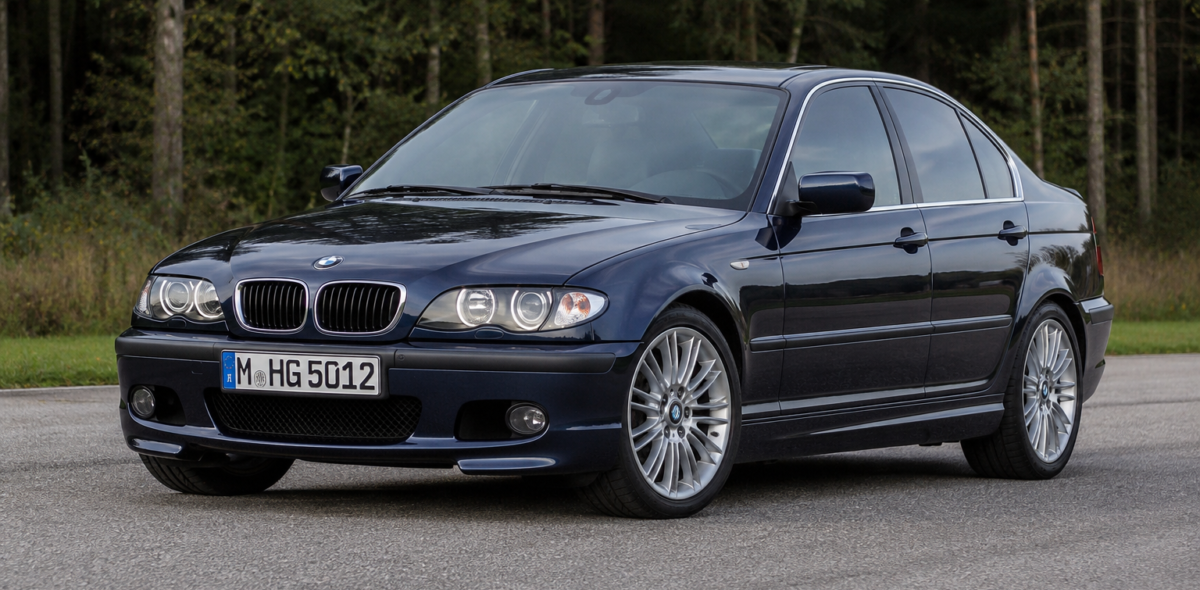
Around 2001, BMW began introducing more technology and complexity. Fortunately, this era also produced two of the company’s most respected engines: the M54 and the N52.
The M54 is often viewed as the last truly old-school BMW inline-six. The N52 improved efficiency and power while maintaining excellent reliability.
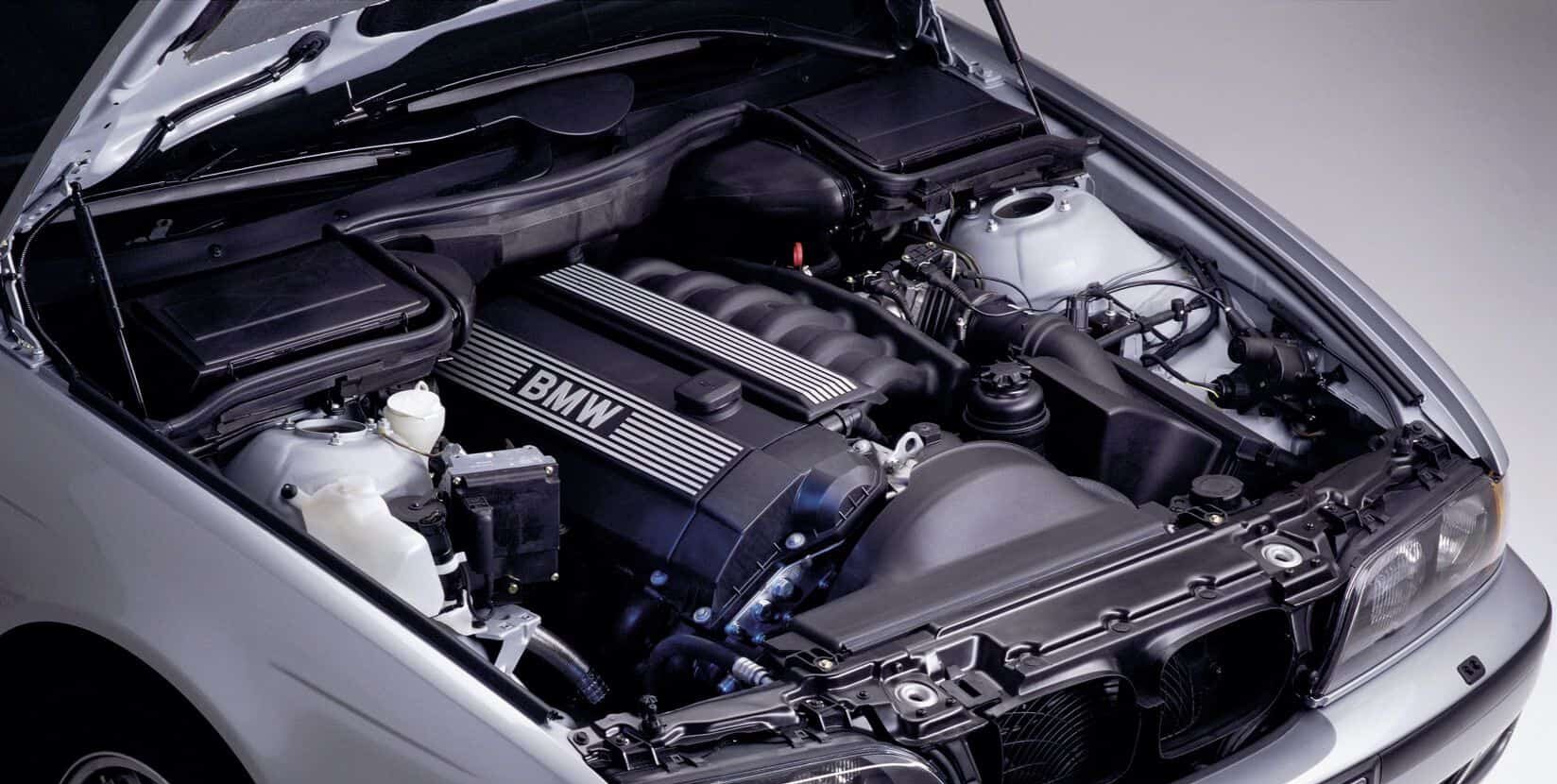
Recommended models include:
- BMW E39 530i
- BMW E46 330i
- BMW Z3 3.0i
- BMW Z4 3.0i
- BMW E87 130i
- BMW E90 330i (pre-facelift)
- BMW X3 3.0i
- BMW X5 3.0i
These vehicles offer one of the best combinations of performance, reliability, and ownership value.
BMW engines and models to avoid
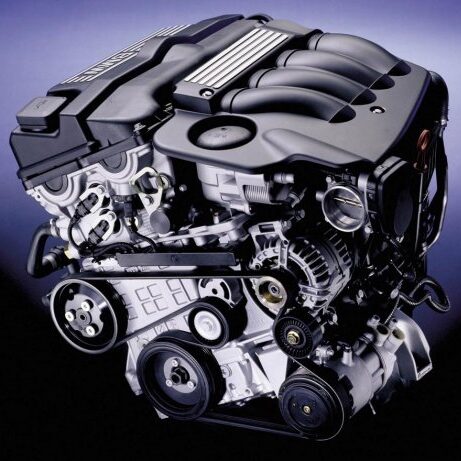
Not every BMW from the 2000s deserves a place in your garage.
The N42, N45, and N46 four-cylinder petrol engines developed a reputation for reliability problems and disappointing performance. Many owners experienced costly repairs that often outweighed the vehicles’ value.
Buyers should also be careful with V8-powered models from this period. Although they deliver exciting performance, maintenance costs can quickly exceed €4,500 to €9,000 if major issues occur.
The dark years: How the N54 damaged BMW’s reputation
BMW’s push for more power and efficiency led to the introduction of the N54 twin-turbocharged engine.
Found in models such as the 135i, 335i, and 535i, the N54 became famous for its tuning potential. Unfortunately, it also became known for failures involving fuel pumps, injectors, turbochargers, and wastegates.
Repair costs frequently reached several thousand euros, making ownership unpredictable. Many enthusiasts still love the N54, but it remains a risky choice for buyers seeking dependable transportation.
BMW’s recovery with the N55 engine
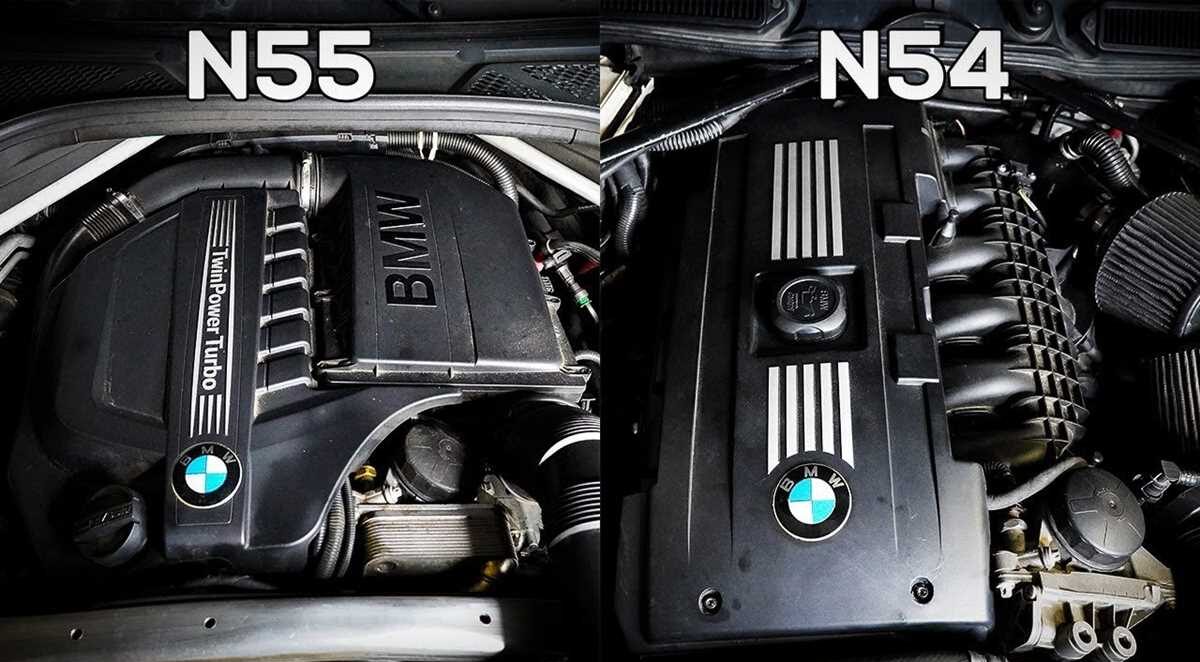
BMW responded to criticism by introducing the N55 engine. While not perfect, it solved many of the N54’s most common issues and became a much more dependable option.
Popular N55-powered models include:
- BMW E90 335i (2010-2012)
- BMW M135i
- BMW M235i
- BMW F30 335i
- BMW F32 435i
A well-maintained N55-powered BMW can offer excellent performance without the extreme ownership costs associated with earlier turbocharged models.
The modern era: B58 and B48 lead the comeback
Today’s BMW reliability story is largely defined by two engines: the B58 and the B48.
The B58 six-cylinder engine is widely regarded as one of BMW’s best modern powerplants. It combines strong performance with impressive long-term reliability.
The B48 four-cylinder engine has also proven far more dependable than BMW’s previous four-cylinder designs.
Top choices from this generation include:
- BMW M140i
- BMW M240i
- BMW 340i
- BMW M340i
- BMW 330i
- BMW Z4 M40i
- BMW X3 M40i
For many buyers, these represent the safest modern BMW purchases.
How to buy a used BMW without expensive surprises
Before buying any BMW, research the engine code rather than focusing solely on the model name. Two cars that look identical may have completely different reliability records.
Regular oil changes, transmission fluid servicing, and preventive maintenance are essential. Ignoring maintenance schedules can quickly lead to repair bills exceeding €5,000.
Most importantly, choose a vehicle with a documented service history. A well-maintained BMW is often a better investment than a lower-mileage car with an unknown past.
FAQ: BMW buying guide
Q: Which BMW engine is the most reliable?
A: The M54, N52, and modern B58 are widely considered BMW’s most reliable petrol engines.
Q: Which BMW engines should be avoided?
A: The N42, N45, N46, N53, and early N54 engines are generally the riskiest choices.
Q: Is the BMW B58 engine reliable?
A: Yes. The B58 is currently regarded as one of BMW’s most dependable modern engines.
Q: What is the best used BMW to buy?
A: Many enthusiasts recommend the E46 330i, E39 530i, or newer B58-powered models such as the M340i.
Inspired by the analysis of our friend @OGBemfa. Make sure you check his other videos
https://www.youtube.com/@OGBemfa
Are you already a proud owner of a BMW? If so, check out our selection of parts for this car at the following link:
https://octoclassic.com/product-category/bmw
Photos sources: bmwblog.com, carschematics.com