


















































The C5 Z06 Corvette: A True Driver’s American Icon
 Added on: January 31, 2026
 Author: OctoClub
1. The C5 Z06 Corvette: A modern classic with raw character
2. Why the C5 Z06 still stands out
3. What makes the Z06 different from a standard C5
4. Performance, modifications, and driving experience
6. Conclusion
The C5 Z06 Corvette: A modern classic with raw character
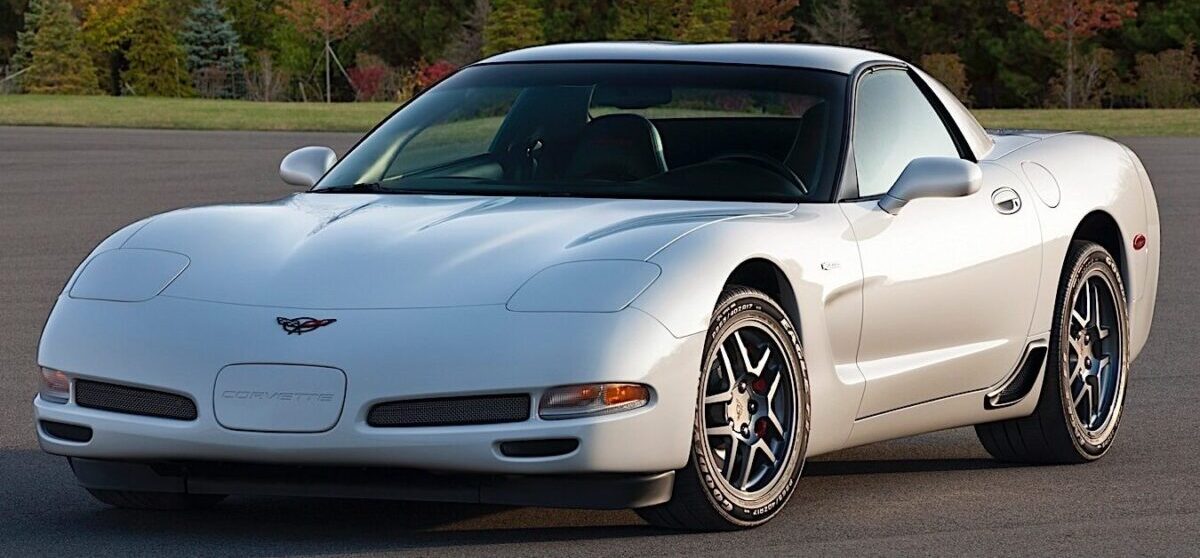
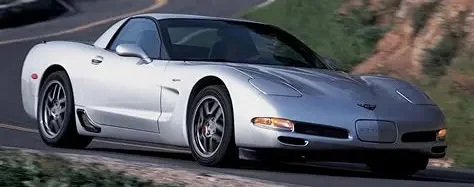
The C5 Z06 Corvette remains one of the most respected American performance cars of the early 2000s. Lightweight construction, a naturally aspirated V8, and a strong focus on driving engagement made it a benchmark not only in the Corvette lineup, but also among global performance cars of its era. Today, the Z06 is increasingly appreciated as a modern classic with serious performance credentials.
Why the C5 Z06 still stands out
Unlike many performance cars available for a similar budget, the C5 Z06 offers something that goes beyond numbers. Its appeal lies in mechanical simplicity, rear-wheel drive, and a raw driving experience that many newer cars lack. Compared to more modern alternatives, it delivers a stronger sense of connection and personality-qualities often described as “soul” by enthusiasts.
Growing up around Corvettes played a significant role in shaping long-term appreciation for the model. Exposure to earlier generations, including both C5 and C6 variants, often turns the Z06 into a natural dream car rather than a stepping stone.
What makes the Z06 different from a standard C5
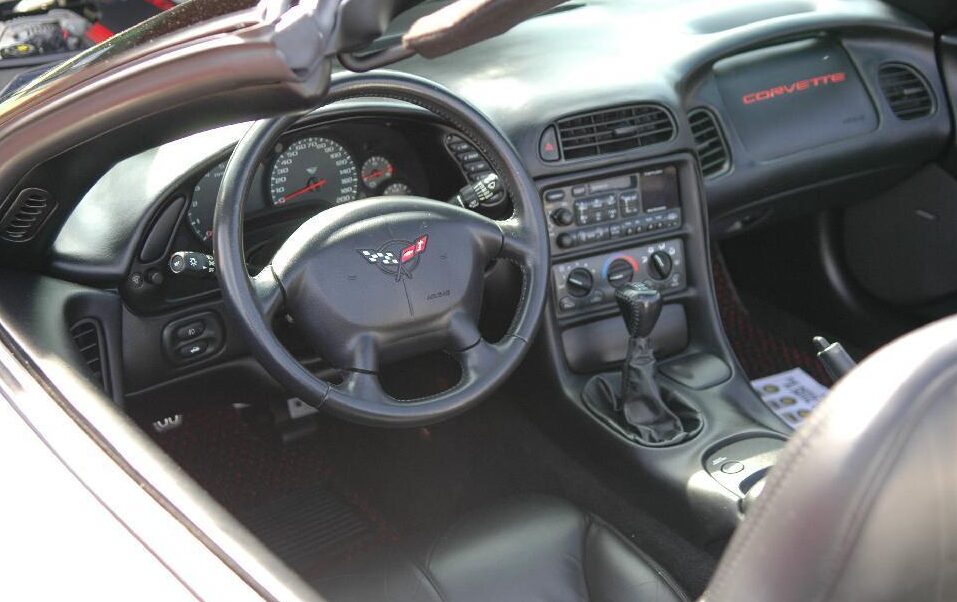
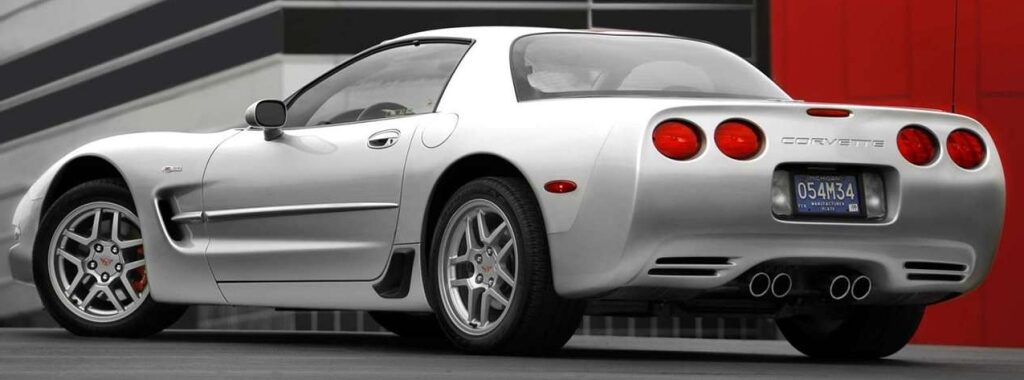
The Z06 was engineered as a purpose-built performance variant rather than a cosmetic upgrade. Unlike the standard C5 coupe, it features a fixed-roof design, increased chassis rigidity, and a conventional trunk instead of a hatchback.
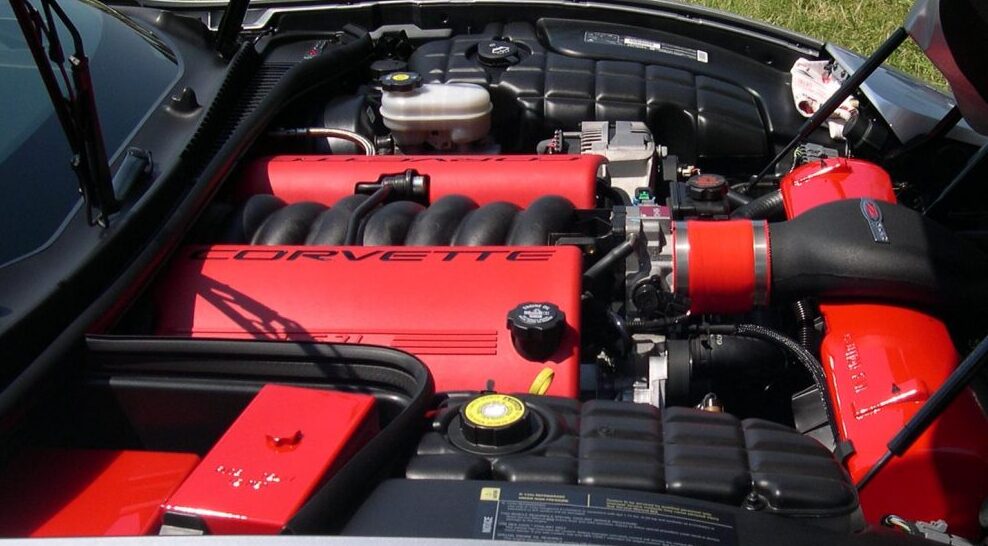
Most importantly, the Z06 is powered by the LS6 V8 engine instead of the LS1. Factory output reached approximately 405 horsepower, placing it firmly among the top-performing sports cars of its time. Visual identifiers include Z06 badging, functional brake cooling vents, and Z06-branded interior seats—details that distinguish it from regular C5 models even at a glance.
Performance, modifications, and driving experience
From the factory, the C5 Z06 delivered impressive performance, but even light modifications can significantly enhance its character. Common upgrades such as a cold air intake, cat-back exhaust, and ECU tuning can result in approximately 383 horsepower at the wheels.
The Z06 was offered exclusively with a manual transmission, reinforcing its driver-focused nature. Handling remains one of its strongest attributes, with predictable cornering behavior and strong traction under acceleration. Even by modern standards, performance remains far from outdated.
Exhaust systems such as those from Corsa further enhance sound and presence, often delivering a tone comparable to aftermarket headers.
Market prices
Current market values for the C5 Z06 depend heavily on mileage and condition:
-
Typical examples trade between €18,000 and €27,000
-
Low-mileage cars, especially those with fewer than 40,000 km, command higher prices
-
Well-preserved examples often spent years stored rather than driven, which is common among Corvettes
When considering performance per euro, the C5 Z06 remains one of the strongest value propositions in the sports car market.
Conclusion
The C5 Z06 Corvette is best suited for drivers seeking an engaging, analog sports car with real heritage. It offers supercar-level performance from its era, manageable ownership costs, and a level of character rarely found in modern vehicles.
As part of the legacy of Chevrolet, the Z06 represents a turning point where the Corvette evolved from a powerful sports car into a world-class performance machine-one that still delivers excitement decades later.
Inspired by the analysis of our friend @magnacars. Make sure you check his other videos
https://www.youtube.com/@magnacars
Are you already a proud owner of a Chevrolet Corvette Z06? If so, check out our selection of parts for this car at the following link:
https://octoclassic.com/product-category/chevrolet/corvette
Photos sources: autoevolution.com, fity.club, corvsport.com