























































5 Porsche 911 Parts That Commonly Fail With Age – Part 1
 Added on: September 15, 2026
 Author: OctoClub
1. Common Porsche 911 Trouble Spots
5. Headlight Washer Cover Caps
Common Porsche 911 Trouble Spots
The Porsche 911 has earned its reputation as one of the most durable and carefully engineered sports cars ever built. From the air-cooled generations to the later water-cooled 996 and 997, the basic philosophy has remained remarkably consistent: precision engineering, high-quality materials and a mechanical character that makes the 911 different from almost anything else on the road.
But even a Porsche is not immune to age.
As 911s become older, some of the problems owners encounter are not catastrophic engine or transmission failures. Instead, they are often caused by small plastic components, interior fittings, covers and mechanical pieces that have spent decades exposed to heat, vibration, sunlight and repeated use.
These parts can become brittle, crack, deform or simply stop doing their job.
In this guide, we look at five Porsche 911 components that are particularly worth checking on older cars, why they fail and what symptoms owners should look for.
Odometer Drive Gears
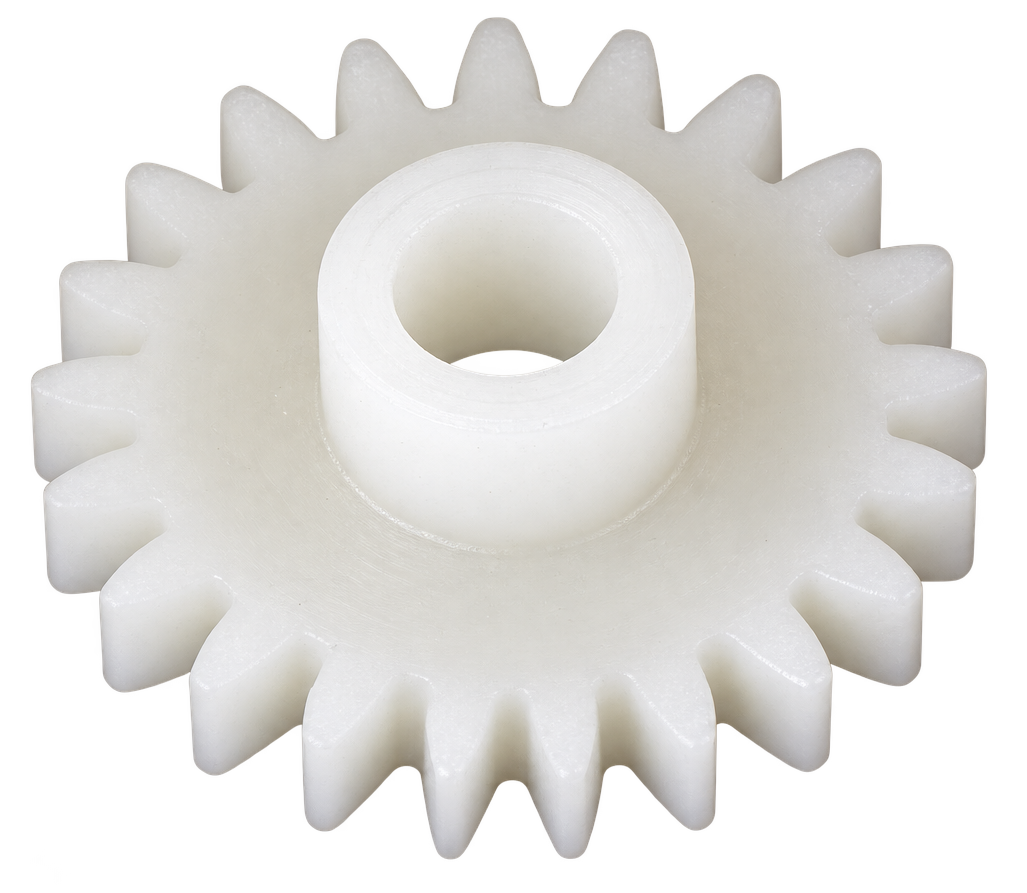
The instrument cluster is one of the areas where age-related failure is particularly common on older Porsche 911s, especially the 964 and other VDO-equipped cars.
Inside the speedometer is a series of small plastic gears responsible for driving the odometer and trip counter. After decades of heat cycles and continuous mechanical movement, the original plastic can become brittle and the teeth can eventually break.
One of the most recognisable symptoms is a speedometer that continues to work normally while the odometer or trip counter stops recording mileage.
This can be surprisingly easy to overlook. The car may drive perfectly normally and the speedometer needle may still operate correctly, but the mileage will no longer increase.
The correct repair depends on the exact instrument fitted to the car. Porsche used different gear configurations, so the existing mechanism should be identified before ordering a replacement.
For owners restoring an older 911, this is one of those small components that is worth addressing as soon as the first symptoms appear. A failed odometer gear does not normally mean that the entire instrument cluster needs to be replaced.
OctoClassic product:
https://octoclassic.com/product/volvo-440-460-480-porsche-911-repair-kit-odometer-mode-vdo-20-teeth
Door Lock Opening Rod
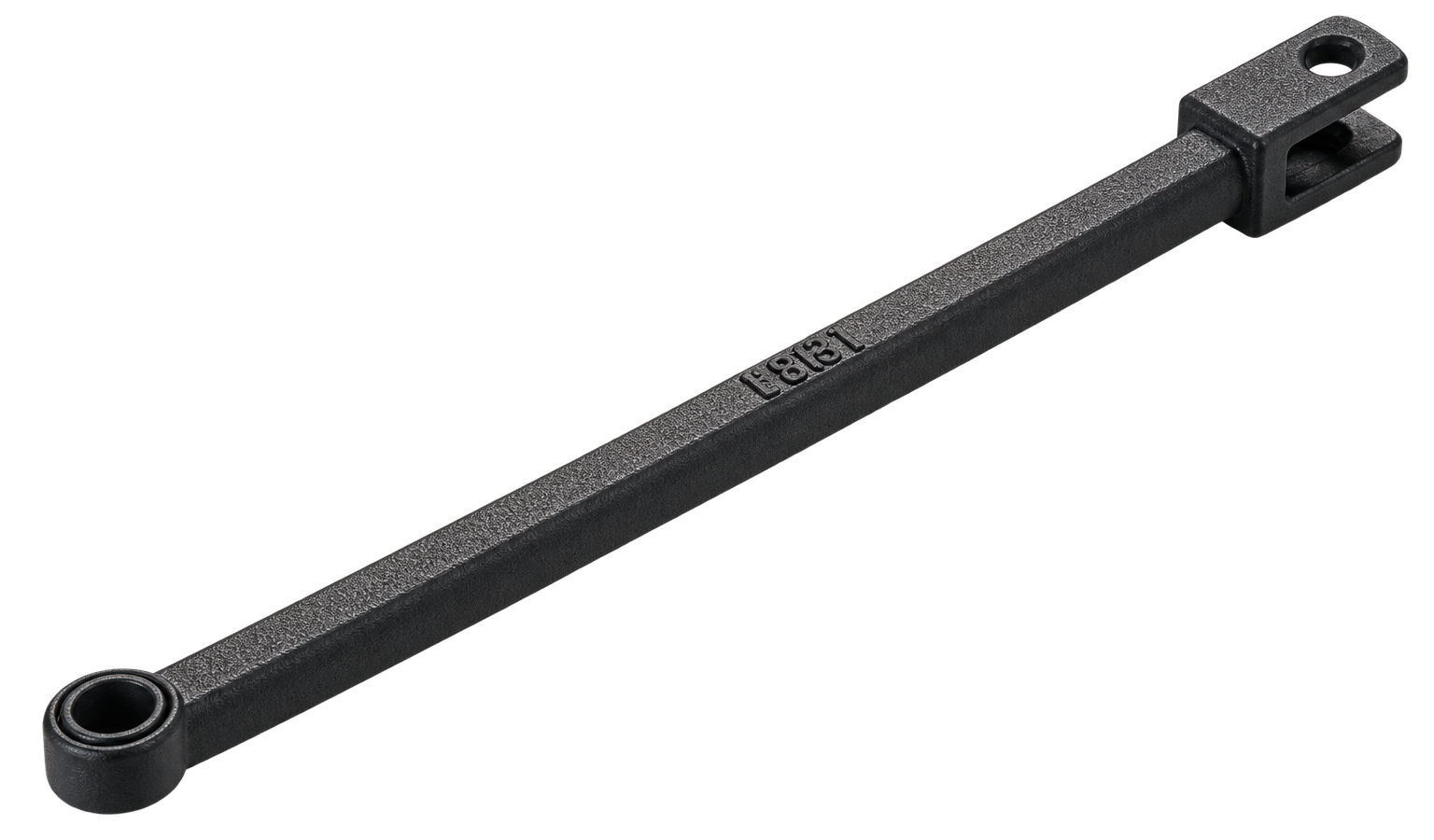
On the 964 and 993, the door locking mechanism contains a number of small mechanical components that are easy to forget about until one of them fails.
The door lock opening rod is one such part.
It is operated every time the door handle and locking mechanism are used, meaning that even a relatively small plastic or mechanical component can experience thousands of operating cycles during the life of the car.
With age, the material can weaken and the component may eventually crack or break. When that happens, the exterior door handle may no longer operate the latch correctly, or the locking mechanism can feel loose or inconsistent.
The important point is that a problem with a small linkage component does not necessarily mean that the complete door lock assembly has failed.
Before replacing the entire mechanism, the connecting rods, clips and surrounding components should be inspected. On a well-preserved 911, replacing the failed individual component can be a much more sensible repair.
This is particularly relevant to cars that still retain their original door hardware after several decades of use.
OctoClassic product:
https://octoclassic.com/product/porsche-911-993-door-lock-opening-rod-black-96453757100
Cowl Panel Caps
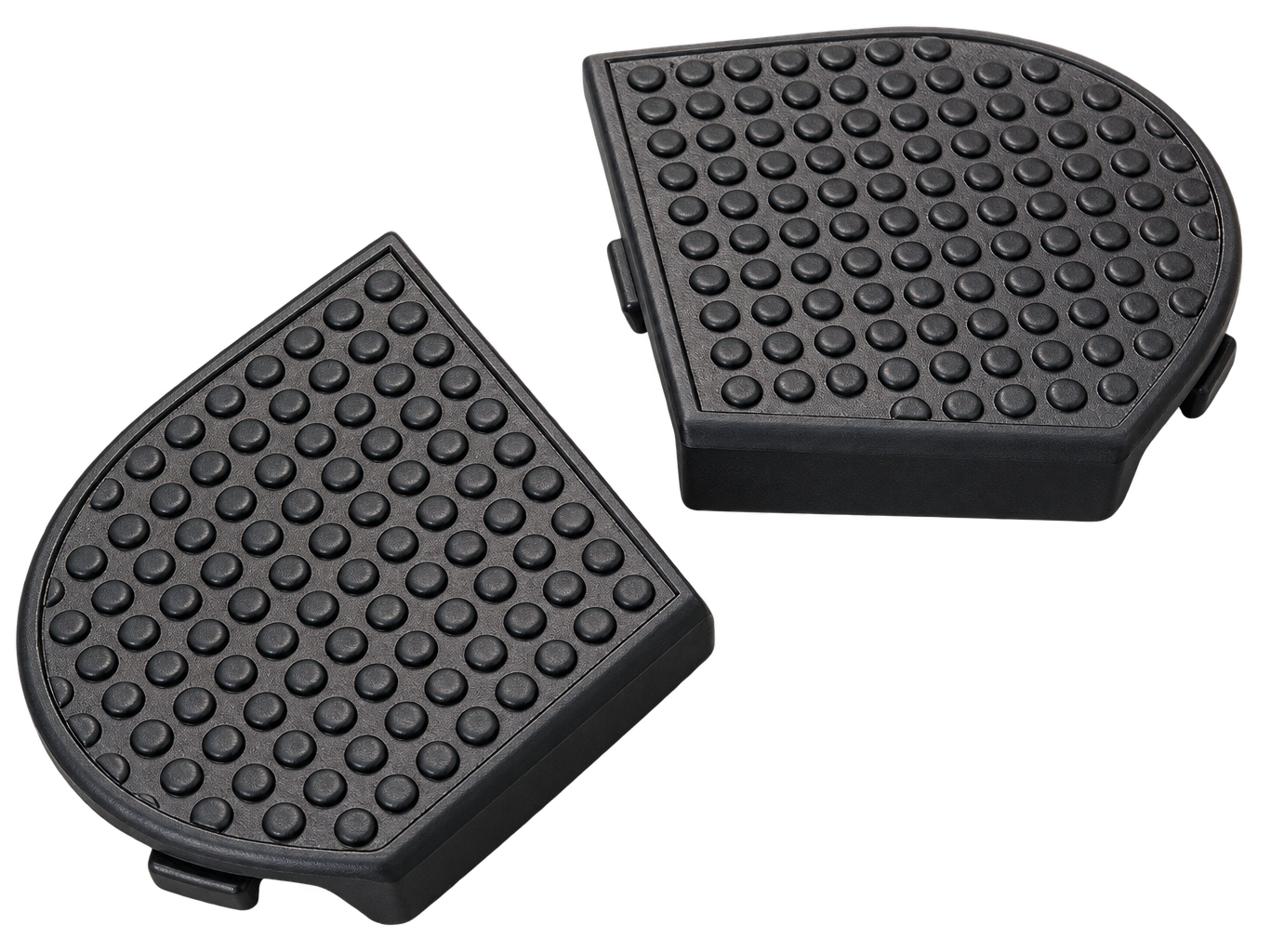
The plastic trim around the base of the windshield is another area that deserves attention on the 996.
The cowl panel is exposed to sunlight, water, temperature changes and repeated thermal cycling. Small plastic caps and finishing pieces can become brittle over time, particularly on cars that have spent many years outdoors.
When the original plastic loses its flexibility, mounting tabs can break and the caps may become loose or disappear completely.
Although this is primarily a trim problem, it should not simply be ignored. Loose or missing pieces can leave the surrounding area unfinished and may allow water and dirt to accumulate where the original trim was designed to provide protection.
The good news is that there is normally no reason to replace a complete cowl assembly because one of the small finishing caps has failed.
Replacing the individual cap is the more appropriate solution when the main cowl panel is still in good condition.
OctoClassic product:
https://octoclassic.com/product/porsche-996-cowl-panel-caps-set-of-2-black-9965725690101c
Headlight Washer Cover Caps
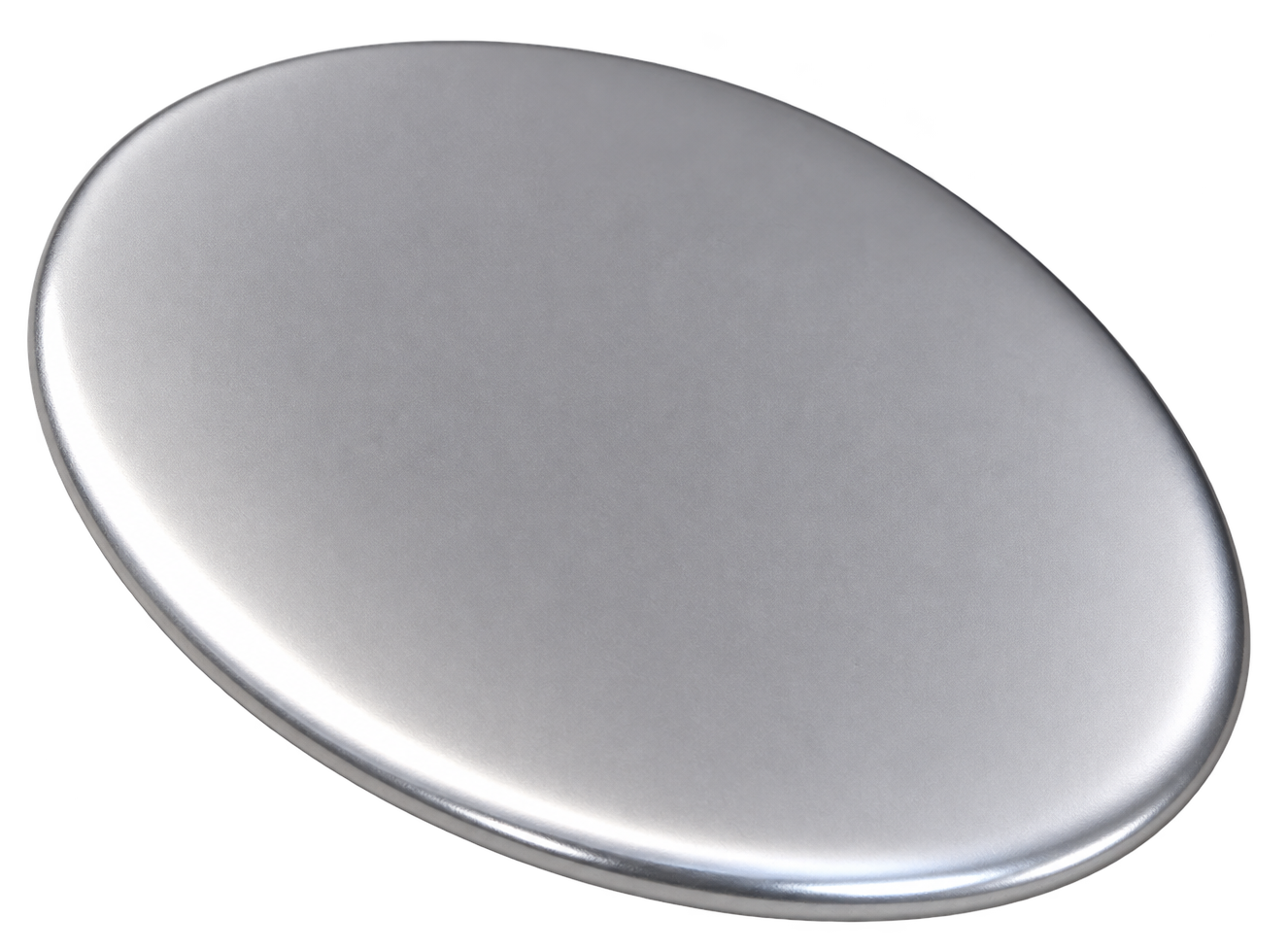
The headlight washer system fitted to the 996 is another example of a component that can suffer from age, impact and brittle plastic.
The small cover cap sits directly in the front bumper, where it is exposed to stone chips, road debris, washing equipment, temperature changes and accidental contact.
Because the component is relatively small and sits flush with the bumper, even minor damage is immediately visible.
On cars equipped with headlight washers, owners may find that the cover becomes cracked, loose or completely detached. The problem is particularly frustrating because the rest of the headlight washer system may still work perfectly.
There is therefore an important distinction between a damaged cover and a failed washer mechanism.
If the washer system itself operates correctly and the problem is limited to the external cover, replacing the cover alone is the logical repair rather than replacing the complete washer assembly.
When fitting a replacement, the left and right sides should be checked carefully because the covers are handed.
OctoClassic product:
Front Seat Rail Covers
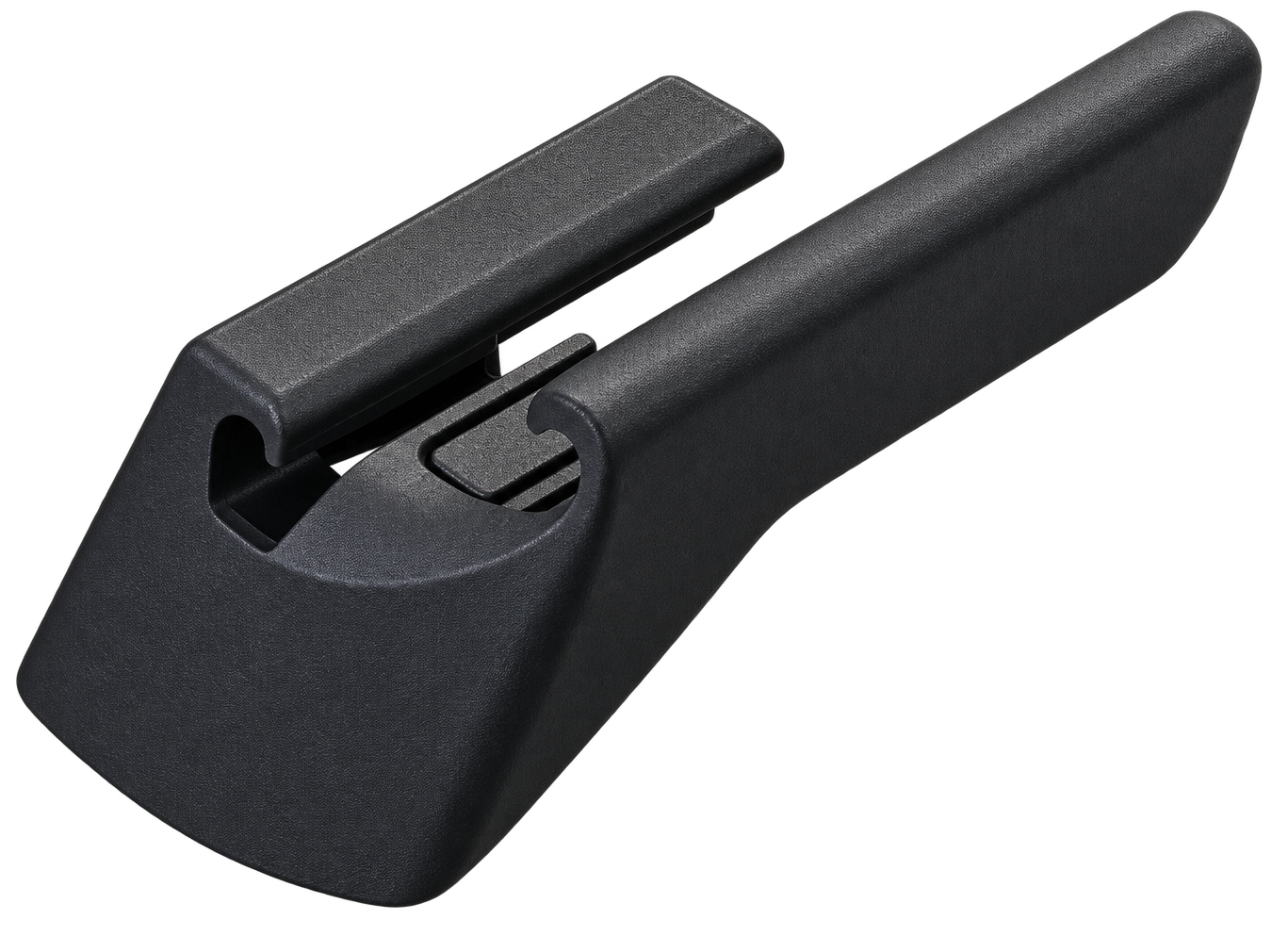
The seats in a Porsche 911 are exposed to constant movement every time the driver or passenger enters the car, adjusts the seating position or moves the seat along its rails.
On the 997 generation, the small plastic covers surrounding the front seat rails are particularly vulnerable to damage. They can be stepped on, caught during seat adjustment or weakened by years of UV exposure and repeated movement.
Once the plastic becomes brittle, mounting points can crack and the cover may become loose or fall away from the rail.
This is a classic example of an age-related Porsche problem where the actual mechanical component remains perfectly functional while the surrounding trim fails.
The seat rail itself may be completely serviceable, but a broken cover can leave the interior looking incomplete and can expose the otherwise finished mounting area.
When inspecting a 997, it is therefore worth checking both front seats and making sure the rail covers are properly secured.
Because the covers are separate trim components, there is normally no reason to replace the complete seat or seat rail simply because the plastic cover has failed.
OctoClassic product:
Q: What are the most common problems with an older Porsche 911?
A: Common problems vary depending on the generation, but ageing rubber, plastic components, interior trim, electrical components and mechanical parts can all deteriorate over time. Earlier air-cooled 911s and later water-cooled models also have their own generation-specific issues.
Q: What should I check before buying an older Porsche 911?
A: A thorough inspection should cover the engine, transmission, suspension, brakes, cooling system, electrical equipment, bodywork and interior. Particular attention should also be paid to evidence of previous repairs, corrosion and neglected maintenance.
Q: Why do plastic parts break on older Porsche 911s?
A: Decades of heat cycles, UV exposure, vibration and repeated use can make plastic progressively harder and more brittle. Components that were perfectly durable when new can eventually crack or lose their mounting points.
Q: What are the most important things to check on a classic Porsche 911?
A: Start with the condition of the body and chassis, engine and transmission, suspension and brakes, electrical systems and interior. Small details such as damaged trim, missing covers and broken mounting components are also worth addressing because they can become increasingly difficult to replace over time.
Are you already a proud owner of a Porsche 911? If so, check out our selection of parts for this car at the following link:
https://octoclassic.com/product-category/porsche/911
Photo sources: Rennlist