

























































5 Porsche 911 Parts That Commonly Fail With Age – Part 2
 Added on: September 23, 2026
 Author: OctoClub
1. Small Components That Can Cause Big Problems
2. Front Seat Adjustment Handles
4. Dashboard Switch Plate Bezels
5. Front Seat Backrest Coat Hook
Small Components That Can Cause Big Problems
The Porsche 911 is one of the few sports cars where longevity has become part of the legend.
A properly maintained 911 can remain enjoyable for decades, and many examples from the air-cooled era are still being driven regularly today. But age changes a car, even when the major mechanical components remain in excellent condition.
After 20, 30 or 40 years, some of the most noticeable problems are often found in the smaller components.
Interior plastics become brittle. Mounting points weaken. Covers crack. Handles lose their original shape. Trim pieces disappear after years of use or during previous repairs.
These parts may not prevent the car from running, but they have a major effect on its usability, originality and overall condition.
This time, we are looking at five completely different components that deserve attention when inspecting or restoring an older Porsche 911.
Front Seat Adjustment Handles
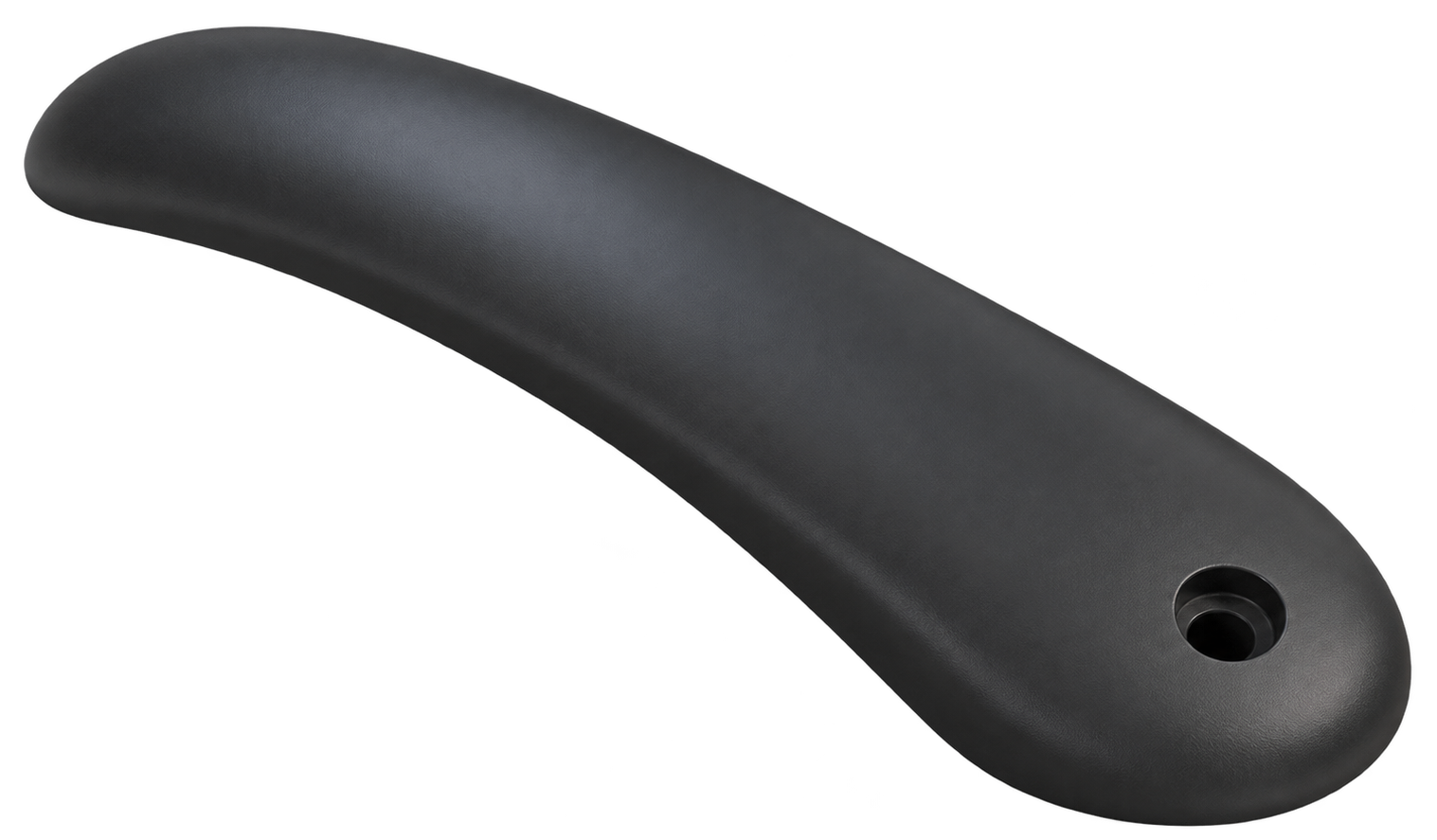
On an older 911, the driver’s seat is one of the most frequently used parts of the interior.
Every time the driver enters the car, adjusts the seating position or allows another person behind the wheel, the seat adjustment mechanism is operated.
On the 911 930, the plastic adjustment handle is particularly vulnerable because it is repeatedly pulled and pushed throughout the life of the car.
After decades of use, the original plastic can become brittle. The handle can crack around its mounting area, deform or eventually break away from the mechanism.
The important point is that the failure is normally limited to the handle itself.
The actual seat adjustment mechanism underneath may remain perfectly functional.
Owners restoring a 930 should inspect both front seats rather than checking only the driver’s side. A passenger seat may have been used less frequently, but the same ageing process affects both components.
OctoClassic product:
B-Pillar Roof Coat Hook
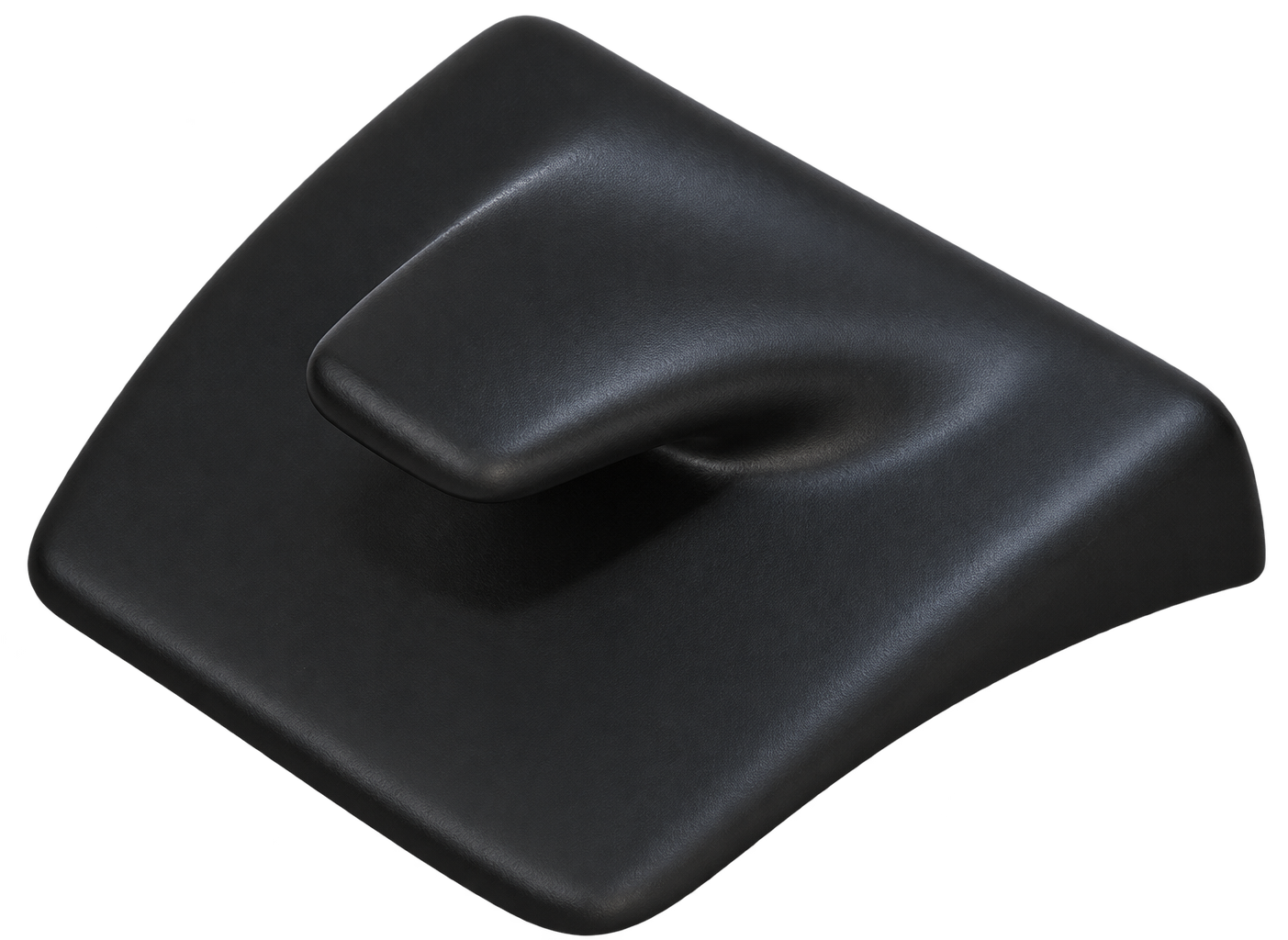
The 996 introduced a much more modern interior than earlier generations, but many of its plastic interior components are now old enough to suffer from the same ageing problems seen on other Porsche models of the period.
The roof coat hook located around the B-pillar is a good example.
It is a small component, but it is subjected to repeated pulling forces whenever the hook is used. On a car that has spent years in changing temperatures, the surrounding plastic can become progressively more brittle.
Eventually, the hook or its mounting area can crack.
This is especially noticeable on cars where the hook has been used regularly to hold jackets, clothing or other items.
The problem can also occur when interior trim is removed during previous repairs. An old plastic component may survive normal use but break when it is disturbed after years of ageing.
OctoClassic product:
Dashboard Switch Plate Bezels
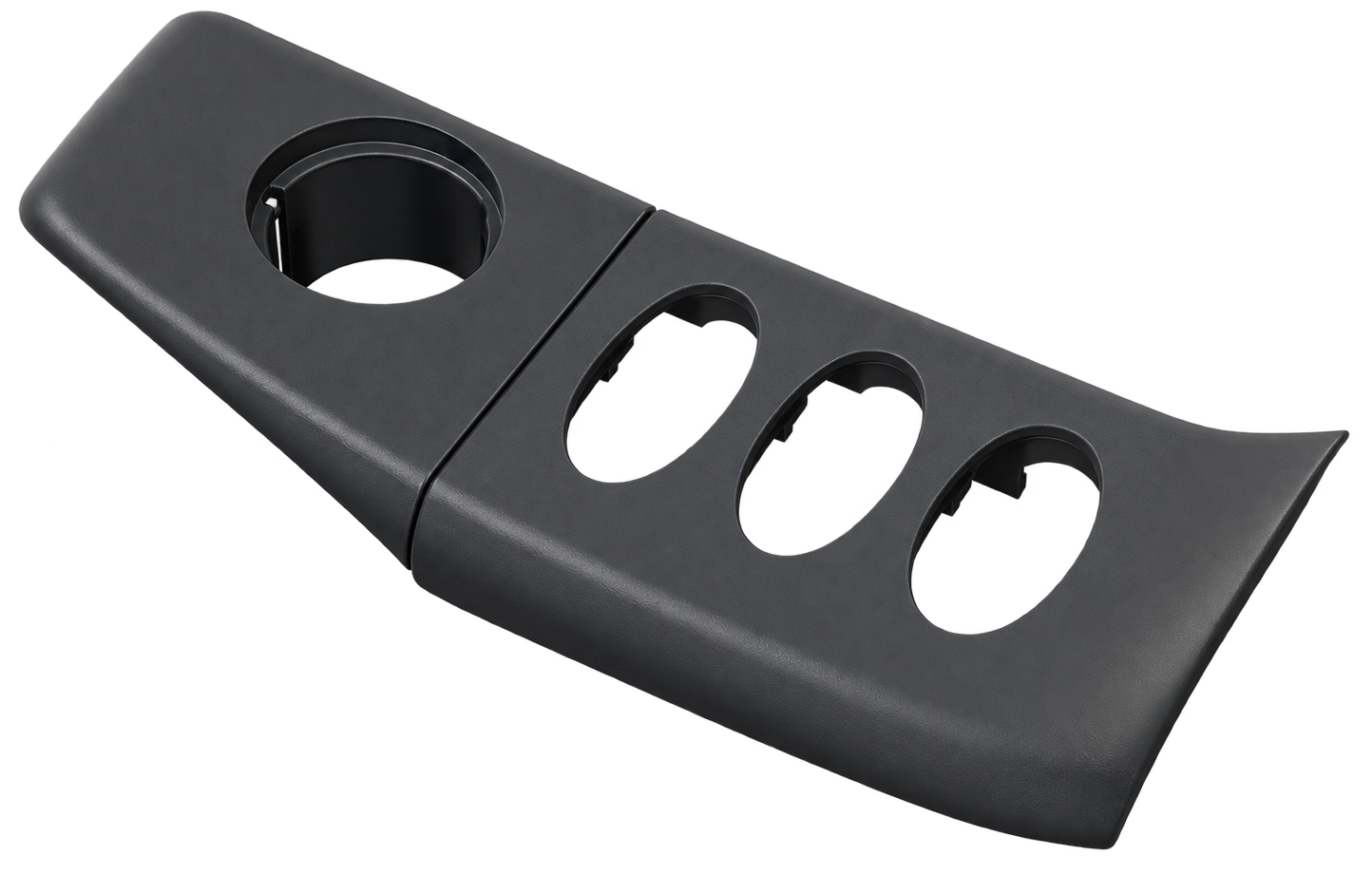
The dashboard of the 996 contains numerous small plastic trim components surrounding the switches.
These pieces are easy to overlook because they are not mechanical components. However, they are exposed to exactly the conditions that cause ageing plastics to deteriorate: sunlight, heat, temperature changes and repeated contact.
The switch plate bezel can become damaged around its edges or mounting points.
Once the original plastic becomes brittle, clips can break and the trim may stop sitting correctly against the dashboard.
In some cars, the problem is made worse by previous attempts to remove the panel. A component that has already spent two decades ageing may not tolerate excessive force during disassembly.
OctoClassic product:
https://octoclassic.com/product/porsche-996-dashboard-switch-plate-bezel-99655223303-99655223403
Front Seat Backrest Coat Hook
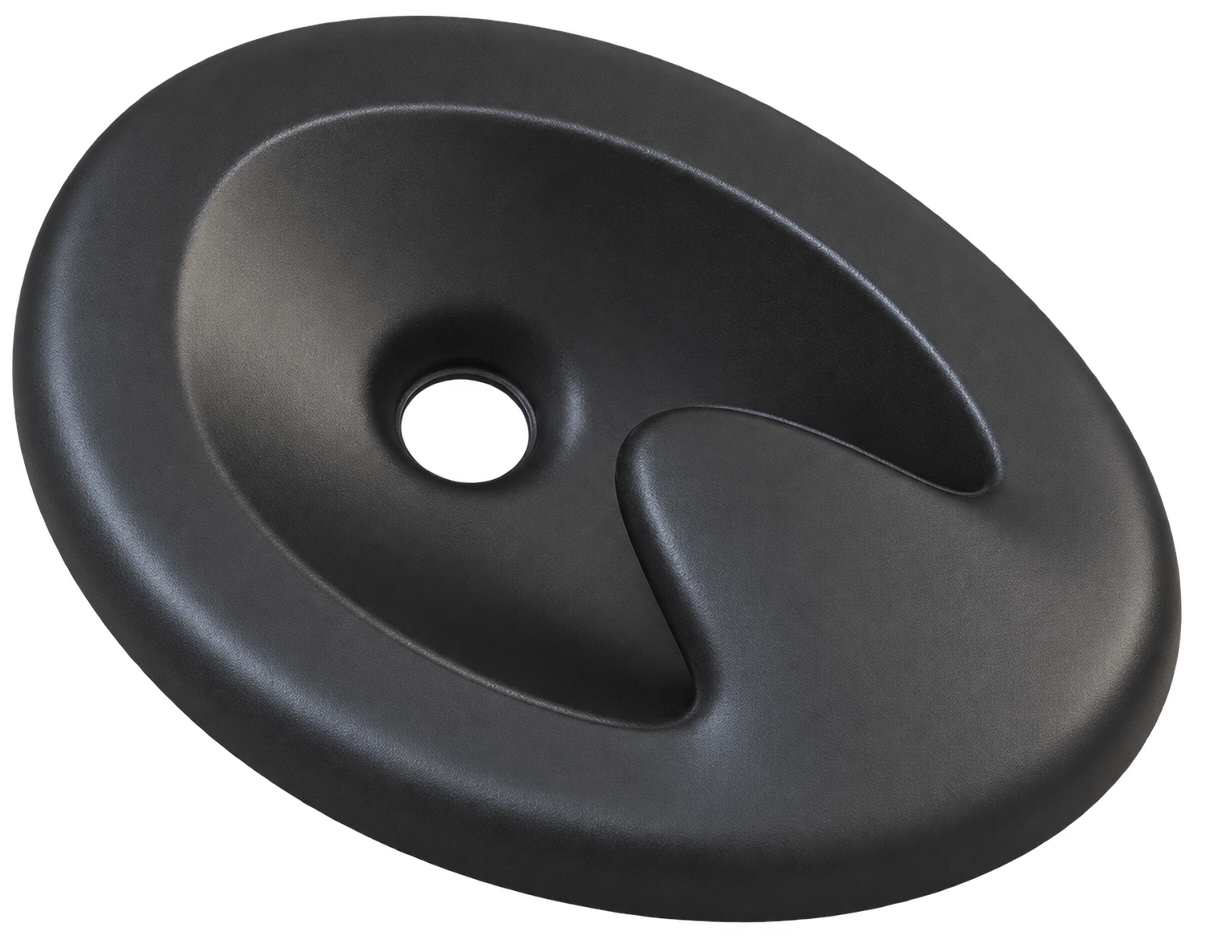
Another small but commonly overlooked interior component on the 996 is the coat hook mounted to the front seat backrest.
This part is exposed to repeated loading whenever the hook is used. Jackets, bags and other objects can place considerable leverage on a relatively small plastic mounting point.
Over time, the hook can become loose or the plastic around the mounting area can crack.
The problem is particularly easy to miss because the hook may continue to look normal from a distance while the mounting area behind it has already started to deteriorate.
This is another case where the surrounding seat remains perfectly usable while one small plastic component needs replacement.
For a restoration project, these details matter. A Porsche can have excellent leather, carpets and dashboard surfaces, yet small missing or damaged fittings can make the interior look unfinished.
OctoClassic product:
Wiper Arm Cover Caps
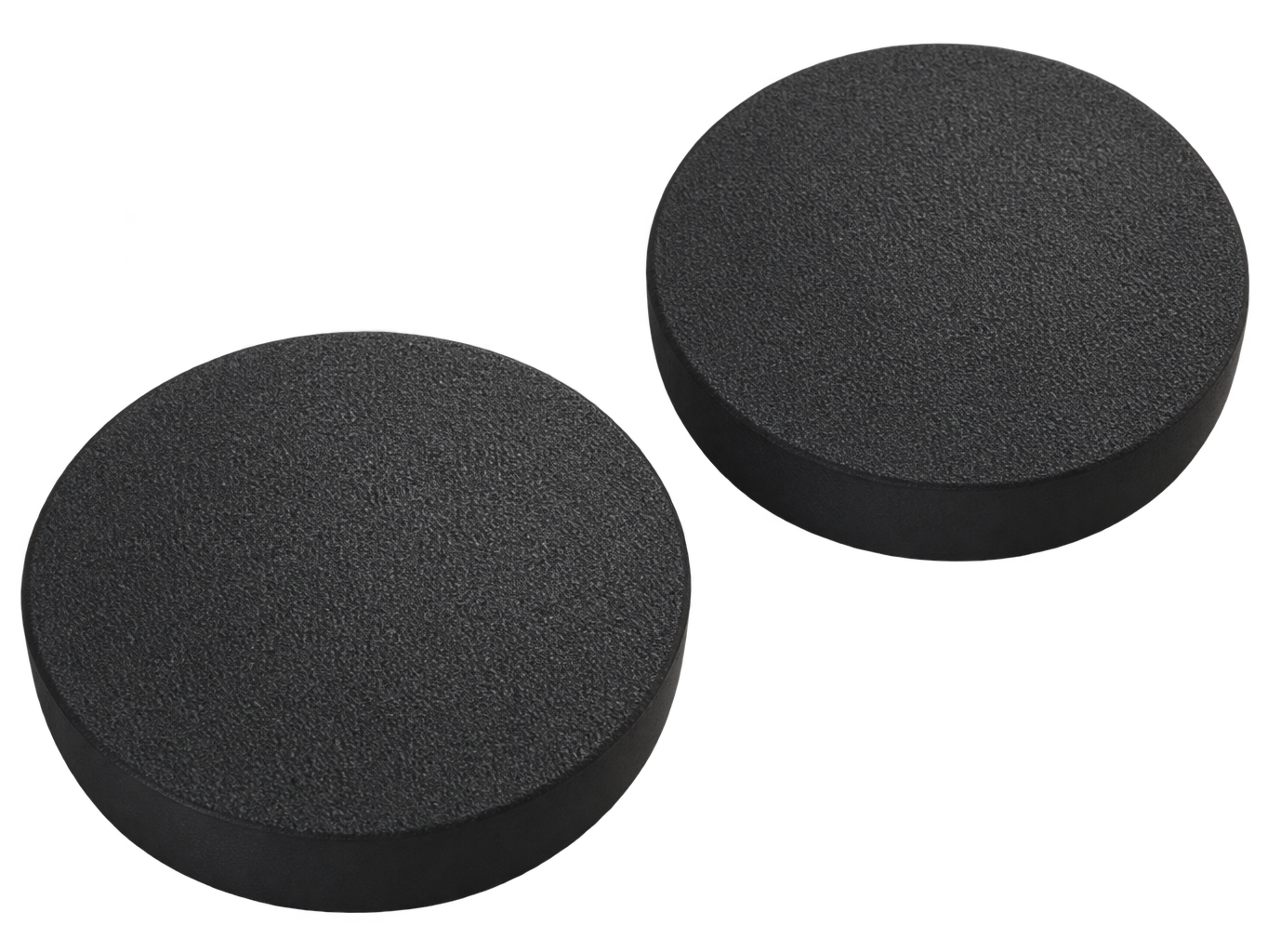
The windshield wiper system is exposed to some of the harshest conditions on the car.
Rain, UV radiation, freezing temperatures, road dirt and repeated washing all affect the plastic components surrounding the wiper mechanism.
The small wiper arm cover caps fitted to various Porsche models are therefore easy to damage or lose over time.
Although they are not mechanically important, they protect and finish the mounting area around the wiper arm. Once missing, the exposed hardware becomes much more visible and the front of the car can quickly look incomplete.
The problem is particularly common on older cars where the original plastic has become brittle.
A cap may survive years of normal use but crack during removal of the wiper arm or disappear after the original retaining point has weakened.
OctoClassic product:
https://octoclassic.com/product/porsche-911-968-996-997-boxster-cayman-wiper-arm-cover-cap
Q: Why does Porsche interior plastic become brittle?
A: Long-term exposure to heat, UV radiation and repeated temperature cycles gradually changes the properties of plastic. Repeated mechanical stress then makes cracks and broken mounting points more likely.
Q: How can I tell whether a Porsche interior problem is mechanical or cosmetic?
A: Operate the component carefully. If the switch, mechanism or adjustment still works correctly but the surrounding plastic is cracked, loose or missing, the problem may be limited to the trim rather than the mechanical system.
Q: What should I inspect first when restoring an older Porsche 911?
A: Start with the major safety and mechanical systems, including brakes, suspension, steering, engine and transmission. Then inspect the electrical system, bodywork and interior. Finally, check the numerous small plastic fittings and mounting components that are often overlooked.
Q: Why are small replacement parts useful during a Porsche restoration?
A: They allow owners to repair individual failed components without unnecessarily replacing larger assemblies. This can help preserve the original structure and appearance of the car while keeping the restoration focused on the actual damaged parts.
Are you already a proud owner of a Porsche 911? If so, check out our selection of parts for this car at the following link:
https://octoclassic.com/product-category/porsche/911
Photo sources: Pinterest