











































FDM vs MJF: Why the Printing Technology Matters
 Added on: September 28, 2026
 Author: OctoClub
1. Why Does the Technology Behind Your Classic Car Part Matter?
3. What is MJF?
4. Why does the technology matter for classic cars?
5. Real examples from OctoClassic
Why Does the Technology Behind Your Classic Car Part Matter?
If you are shopping for a replacement part for a classic car, you have probably seen the words “3D printed” used everywhere.
But here is something worth knowing:
A 3D-printed part is not necessarily the same as another 3D-printed part.
The printing technology, material and manufacturing process can have a major impact on the final component. For classic cars, where many replacement parts need to survive years of heat, vibration and everyday use, that difference matters.
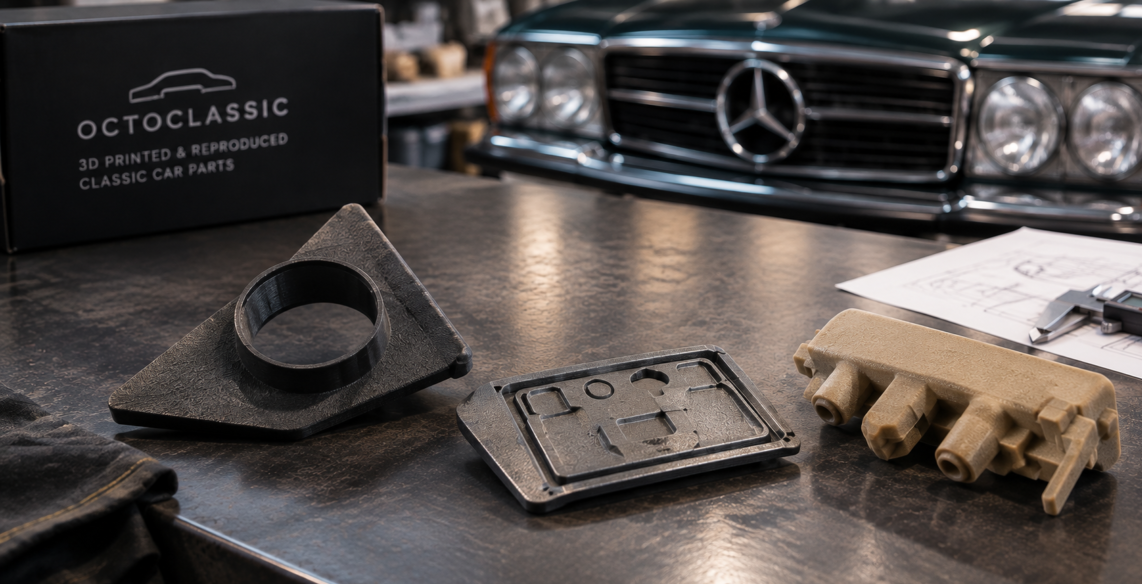
At OctoClassic, we use industrial additive manufacturing technologies, including powder-based production, for many of our replacement parts. So what is the difference between the technologies?
What is FDM 3D printing?
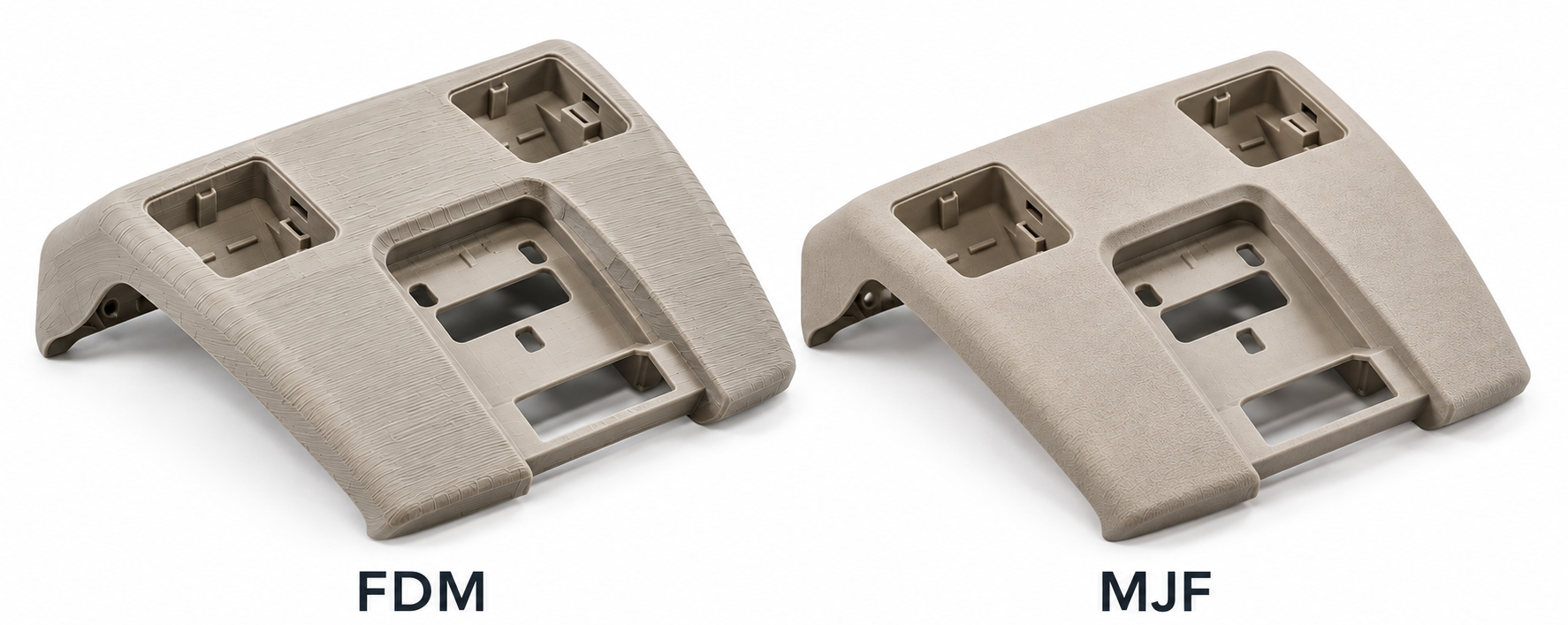
FDM (Fused Deposition Modeling) is one of the most common forms of 3D printing.
The process works by melting plastic filament and depositing it layer by layer through a heated nozzle. The part is gradually built up until the complete shape is produced.
FDM is popular because it is relatively affordable, accessible and excellent for:
- prototypes
- development work
- test pieces
- simple components
- low-volume hobby projects
It has played an important role in making 3D printing accessible to enthusiasts and small workshops.
But accessible does not always mean suitable for every application.
For a functional automotive replacement part, the manufacturing process deserves closer attention.
What is MJF?
MJF (Multi Jet Fusion) is a powder-based industrial 3D-printing technology developed for producing functional polymer parts.
Instead of extruding plastic filament through a nozzle, the process works with a bed of polymer powder. Fusing and detailing agents are selectively applied to the powder, after which heat fuses the material to create the finished component.
The result is a very different type of 3D-printed part from a typical filament-based FDM print.
MJF is particularly suited to producing functional, repeatable parts in production environments, rather than simply prototypes.
That distinction is important when the part is going back into a real car.
Why does the technology matter for classic cars?
Classic-car parts are rarely living in ideal conditions.
A plastic component inside a 30-year-old car may have already experienced:
heat + UV exposure + vibration + repeated use + temperature changes + ageing.
And many original components were never designed to survive several decades.
This is why simply finding a replacement that “looks right” is not always enough.
A replacement part needs to be considered as a functional component, not just a copy of the original shape.
This is one of the reasons OctoClassic focuses on industrial manufacturing and materials such as PA12 for many of its replacement parts. For example, our R129 interior components are produced using polymer powder and PA12, with the material selected for its durability and resistance to high temperatures.
Real examples from OctoClassic
Here are a few examples of the type of industrially manufactured replacement parts available from OctoClassic.
Mercedes R129 Armrest Side Button
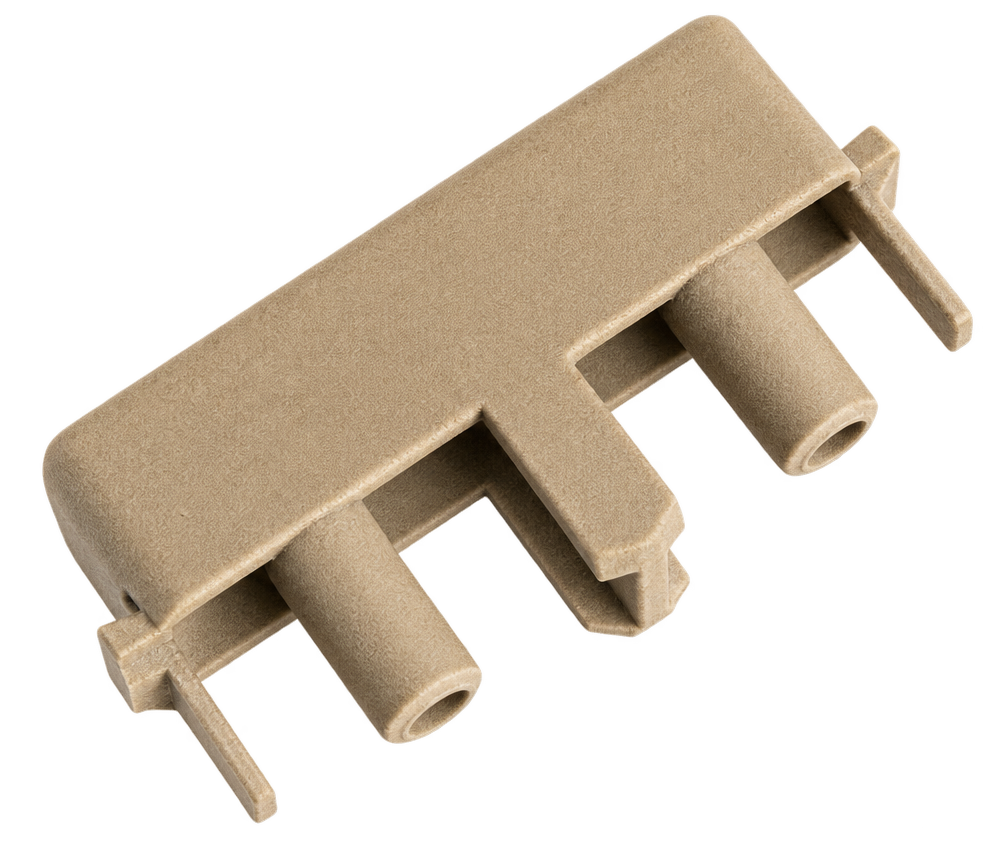
A small component, but exactly the kind of interior part where material and manufacturing quality matter.
The R129 Armrest Side Button is produced using polyamide PA12 and polymer powder laser sintering, with a finished surface designed for automotive use.
https://octoclassic.com/product/r129-armrest-side-button-mercedes-sl-1296830055
Mercedes W124 E500 Seat Switch Cover
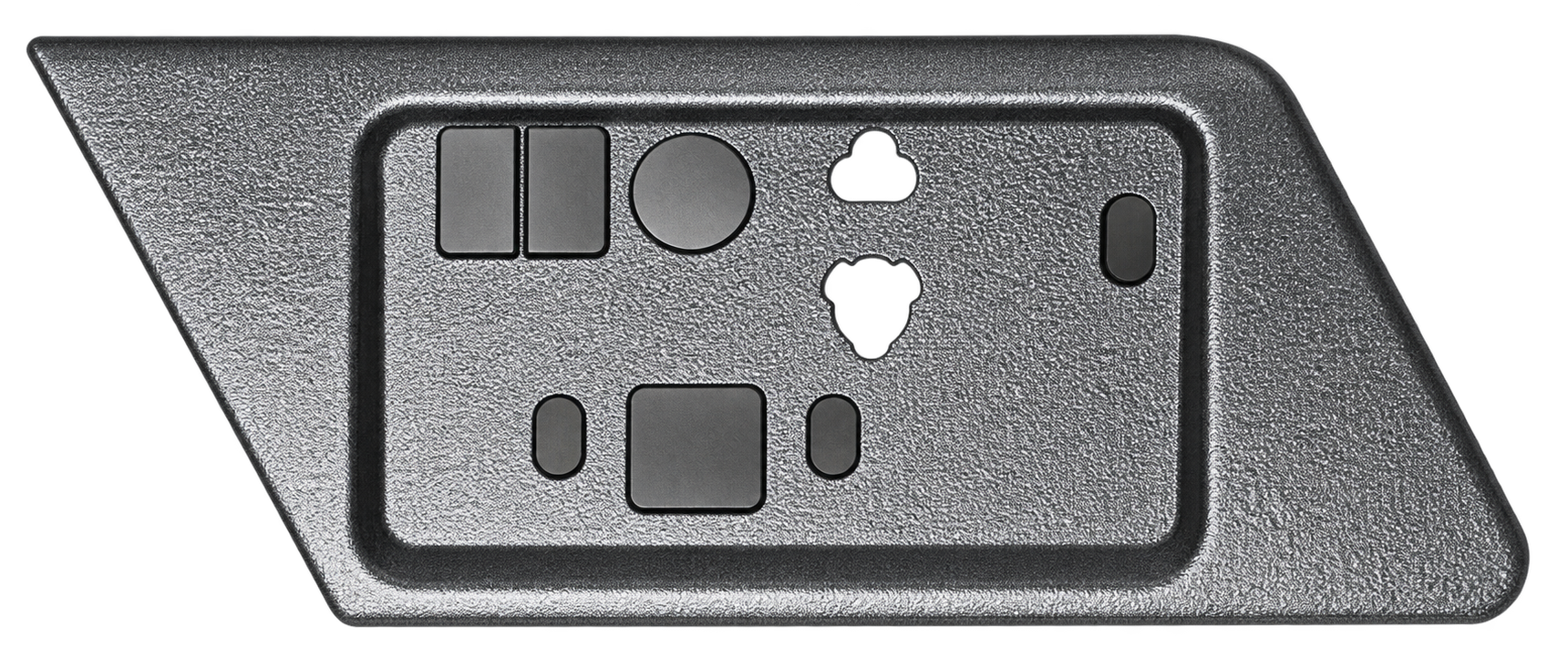
The W124 E500 Seat Switch Cover is another example of a replacement for an ageing interior component.
OctoClassic specifies PA12 and notes that the design incorporates increased thickness in areas where the original part was prone to damage.
https://octoclassic.com/product/w124-e500-seat-switch-cover-with-memory-left-or-right-mercedes
BMW E30 Internal Mirror Cover
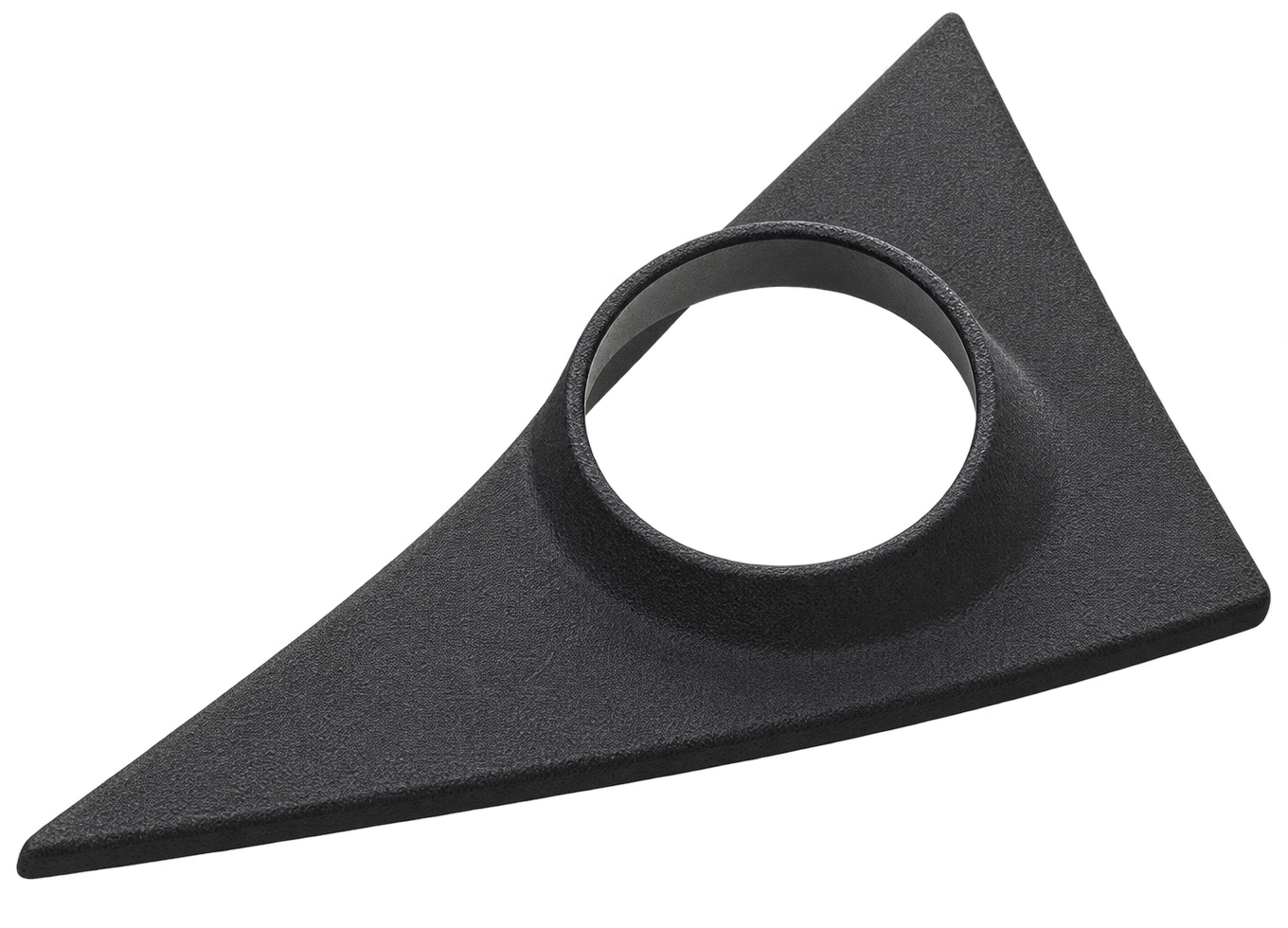
The BMW E30 Internal Mirror Cover is manufactured using laser sintering with polymer powder, then sandblasted and painted.
It is a good example of how additive manufacturing can be used for a visible replacement component rather than simply a hidden prototype.
Mercedes W463 Wiper Arm Cover
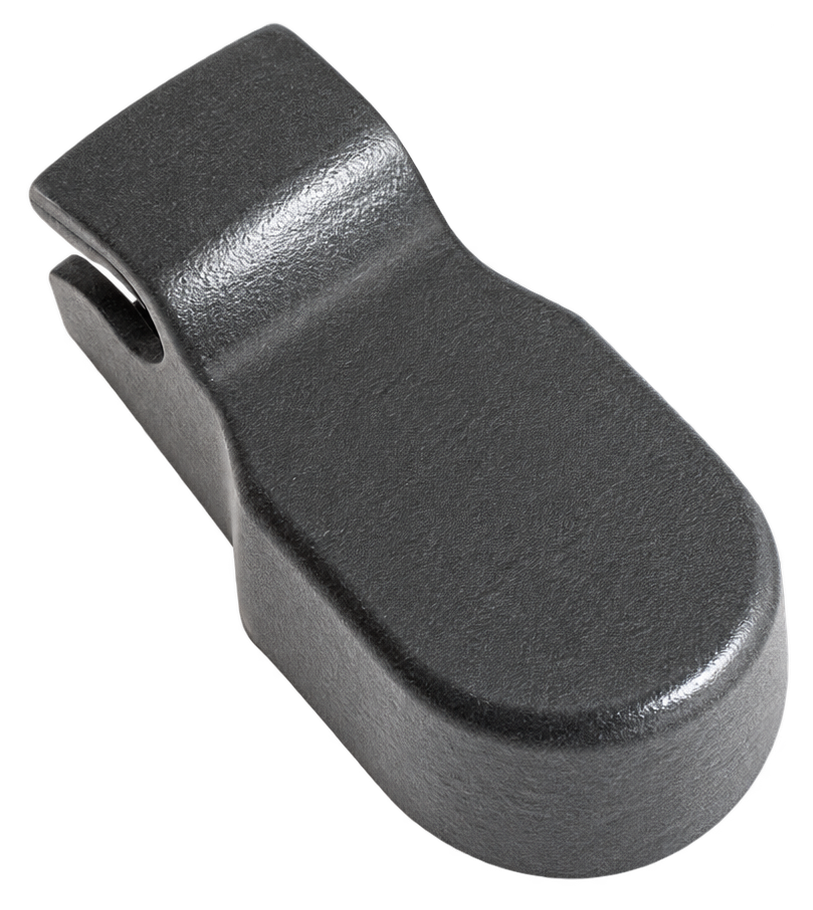
The W463 Front Windshield Wiper Arm Cover is another powder-based replacement part, manufactured using industrial machinery and finished by sandblasting and painting.
https://octoclassic.com/product/w463-front-wiper-arm-cover-mercedes-g-class-w460-w461
So, FDM or MJF?
The answer depends on what you are trying to manufacture.
FDM is useful for prototyping, development and many simple applications.
MJF and other industrial powder-based technologies are designed for producing functional polymer components with consistent manufacturing characteristics.
For a classic-car replacement part, that distinction can be important.
At OctoClassic, our goal isn’t simply to make something that resembles the original part.
We want to create replacement parts that are engineered for real classic cars.
Because when you’re restoring a classic, the question shouldn’t only be:
“Does it fit?”
It should also be:
“How was it made?”
Are you already a proud owner of a Classic car? If so, check out our selection of parts for this car at the following link: