
















































Aston Martin V8 Vantage: From depreciation disaster to smart buy?
 Added on: April 9, 2026
 Author: OctoClub
1. A surprising turn in the depreciation story
2. From heavy losses to stability
3. Older V8 Vantages are holding strong
4. How it compares to the Porsche 911
6. So, is the V8 Vantage a smart alternative?
7. Conclusion
A surprising turn in the depreciation story
The Aston Martin V8 Vantage was long expected to follow the classic Aston Martin pattern: breathtaking design, thrilling performance – and heavy depreciation. For years, buyers accepted that owning one meant absorbing significant financial losses.
But something unusual has happened. Over the past year, depreciation for slightly older V8 Vantage models has nearly stopped. In a segment where values typically continue falling for years, this kind of early stabilization is rare – and it raises an intriguing question: could the V8 Vantage now be a genuine value-focused alternative to the Porsche 911?
From heavy losses to stability
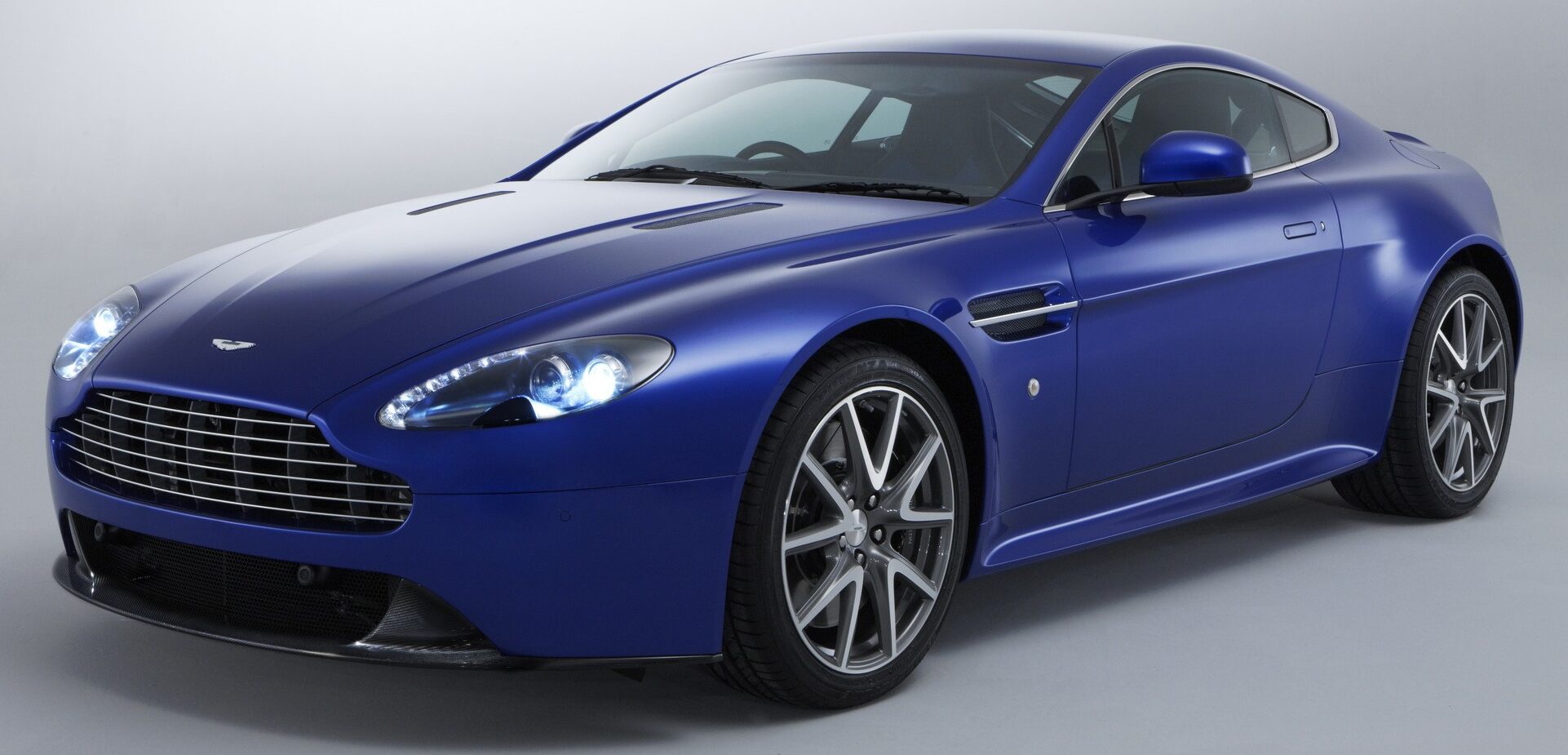
At launch, the numbers painted a familiar picture. A well-optioned V8 Vantage originally cost around €165,000-€175,000, and early depreciation was steep. However, the curve flattened much sooner than expected.
Looking at recent data:
- Coupe models (around 5 years old) dropped just 3.2% year-over-year (~€2,600-€3,000)
- Convertibles declined 4% (~€4,500-€5,000)
Even more striking, the newest used coupes lost only 1.5%, effectively holding steady when accounting for normal market fluctuations.
This kind of stability is not just rare – it’s critical. Predictable depreciation makes ownership far less risky and far more appealing.
Older V8 Vantages are holding strong
The trend isn’t limited to the newer 4.0-liter models. Earlier generations are also showing resilience:
- 4.7-liter V8 Vantage: prices increased by around 8.1% (though not statistically confirmed)
- 4.3-liter V8 Vantage: up approximately 6.7%, with longer-term stability already established
While different trims (Base, S, GT, GTS, N420) vary in rarity, overall supply is too limited to separate them reliably. Manual versions still command a premium, but depreciation trends remain consistent across transmissions.
In short, older V8 Vantages have largely stopped losing value – and may even be entering early appreciation territory.

How it compares to the Porsche 911
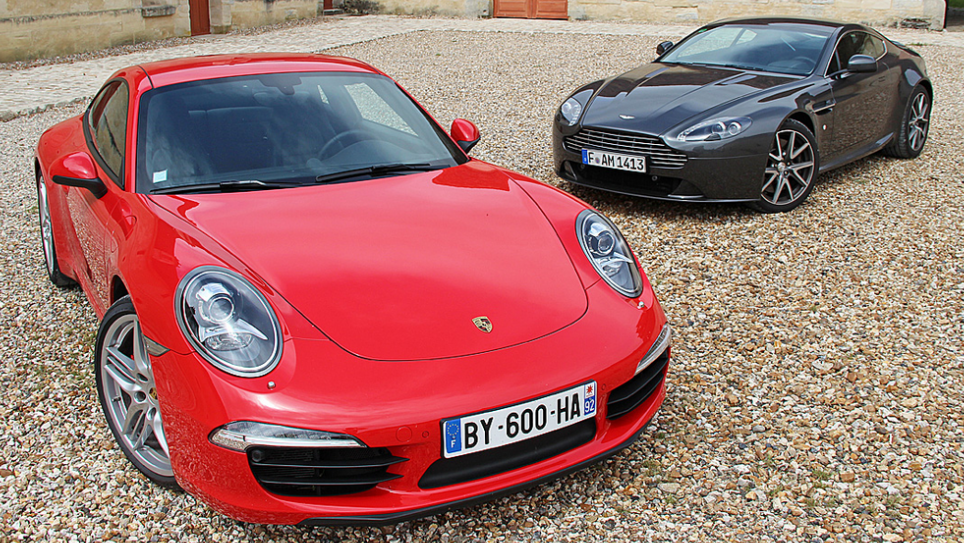
The Porsche 911 has always been the benchmark for value retention. Historically, it outperformed Aston Martin by a wide margin.
And yes – looking long-term, the V8 Vantage still lost far more money. From peak values, it dropped tens of thousands of euros, reinforcing Aston Martin’s reputation.
But recently, the story has shifted:
- V8 Vantage prices have stopped falling
- 911 values have become more volatile, partly due to MSRP increases and shifting demand
Today, the price gap between the two sits at roughly €23,000-€25,000 in favor of the Aston Martin. While the 911 still edges ahead in percentage performance, the difference is no longer dramatic.
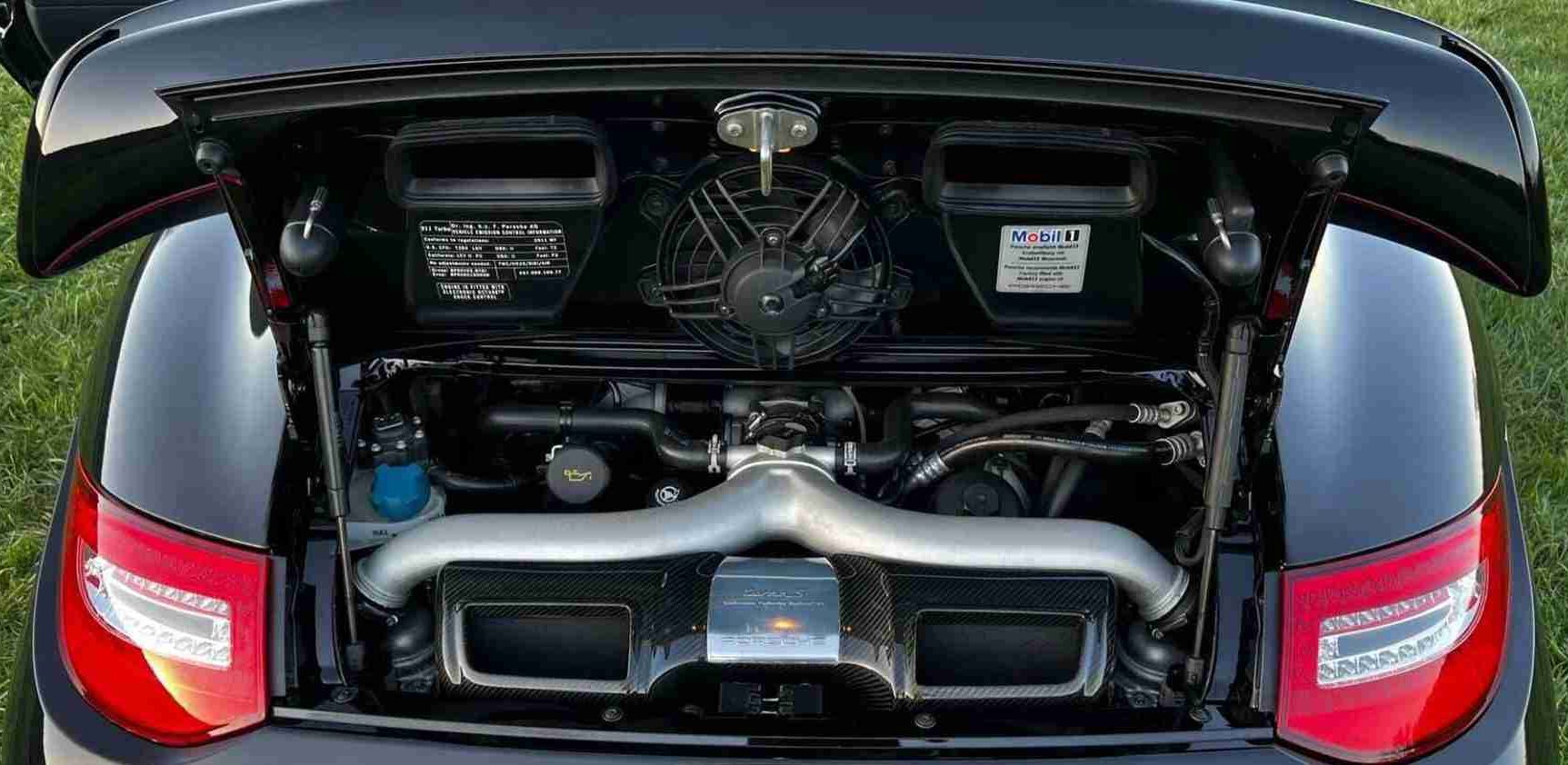
Market trends
Beyond pricing, market behavior tells an equally important story.
A few years ago:
- Around 40% of V8 Vantages remained unsold after 3 months
- The 911 sold much faster, often immediately
Today:
- Vantage inventory turnover has improved significantly
- Supply has tightened, increasing scarcity
- The gap in selling speed between the two cars has nearly disappeared
Discount trends reinforce this shift:
- Vantage discounts dropped to around 7% and are now similar to 911 levels
- The days of steep markdowns appear to be over
This suggests a much healthier and more balanced market for Aston Martin.
So, is the V8 Vantage a smart alternative?
The answer is nuanced.
The Aston Martin V8 Vantage still doesn’t outperform the Porsche 911 in pure financial terms. Depreciation, resale strength, and long-term consistency still favor Porsche.
However, the gap has narrowed dramatically.
Key takeaways:
- Modern V8 Vantages have already passed their steepest depreciation phase
- Older models are stable – and sometimes appreciating
- Market dynamics (inventory and discounts) have improved significantly
- The price difference makes the Aston far more accessible
Buying a sports car is never purely rational – it’s emotional. And while emotion alone couldn’t justify massive annual losses in the past, it’s now competing with only a small financial disadvantage.
That changes everything.