


























BMW E36 Coupe Buyer’s Guide
 Added on: June 30, 2026
 Author: OctoClub
1. BMW E36 Coupe – Is it worth buying in 2026?
2. The body matters more than the engine
3. Which engine should You choose?
4. The biggest mistake buyers make
BMW E36 Coupe – Is it worth buying in 2026?
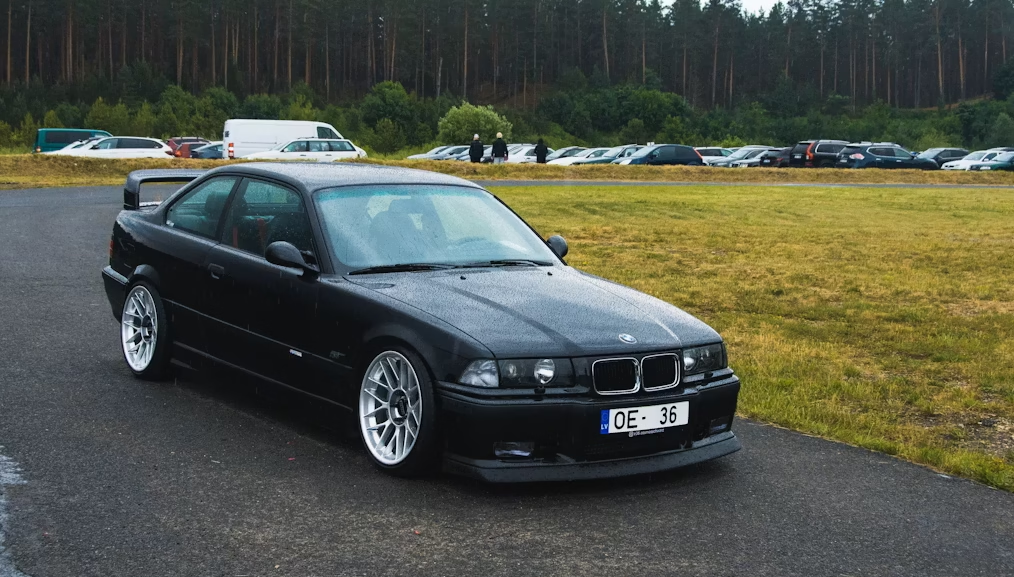
The BMW E36 Coupe has long since outgrown its reputation as an affordable sports car for young drivers. Today, it is a fully established modern classic, with values continuing to rise year after year. Just five or six years ago, you could buy a well-maintained example for around €4,000-5,000. Today, finding an original, accident-free Coupe with a six-cylinder engine for less than €10,000 is becoming increasingly difficult, while the very best examples regularly command €20,000-25,000 or more.
Does that mean every E36 is worth buying at any price?
Absolutely not.
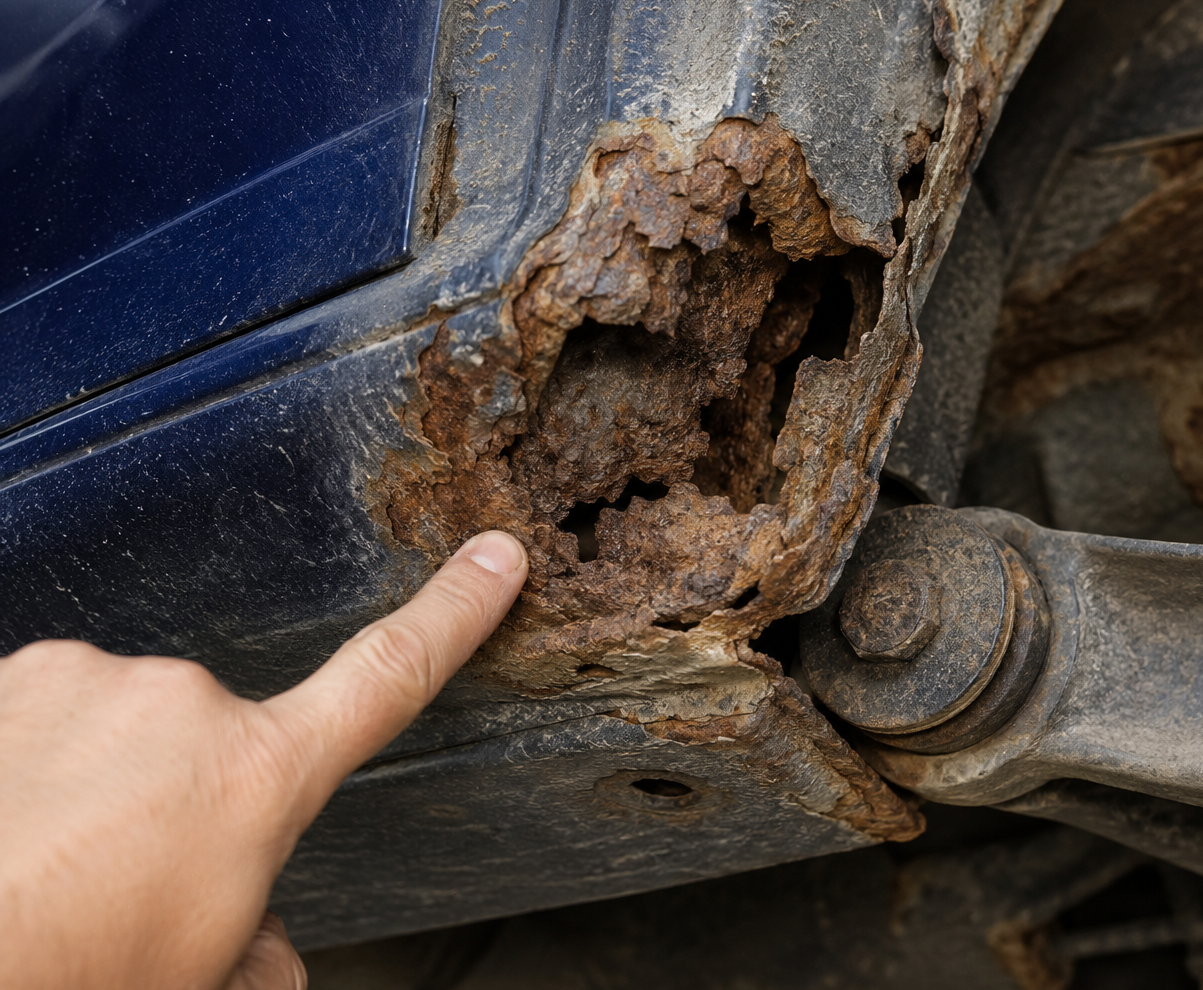
Over the years, I’ve inspected dozens of E36s, and most of them shared the same problem. They looked fantastic in online listings, but a closer inspection often revealed previous body repairs, replaced quarter panels, or poorly concealed rust. When it comes to the E36, the condition of the bodywork is far more important than the mileage shown on the odometer.
The body matters more than the engine
Many buyers spend far too much time deciding whether to buy a 323i, 325i, or 328i.
That’s a mistake.
An M52 engine can be rebuilt or even replaced at a relatively reasonable cost. Restoring a heavily rusted shell, however, can easily cost €8,000-15,000, and even then, the finished car will rarely be worth as much as an original example with factory body panels.
Whenever I inspect an E36, I always check the following areas first:
- Rear subframe mounting points – one of the car’s most critical weak spots.
- Inner sills, not just the visible outer panels.
- Front strut towers.
- The floor beneath the rear seats.
- The battery tray.
- Factory spot welds throughout the chassis.
If a seller refuses to remove the plastic sill covers or won’t allow the car to be lifted on a hoist, I immediately consider it a warning sign.
Which engine should You choose?
If you’re looking for a comfortable weekend car with sensible running costs, the 323i remains one of the best choices. The M52 engine is durable, smooth, and, in most cases, significantly less abused than the increasingly desirable 328i.
However, if you’re also viewing the E36 as a long-term investment, the 328i Coupe with a manual gearbox and original factory specification is undoubtedly the model to own. Clean, unmodified examples are becoming increasingly rare, and demand continues to grow across Europe.
Personally, I would avoid cars that have clearly lived a hard life on drift tracks – examples with welded differentials, cheap aftermarket coilover suspension, questionable modifications, or heavily altered interiors. Today’s collector market places a premium on originality, even if the car shows honest signs of age and use.
The biggest mistake buyers make
The most common mistake I see is buyers searching for the cheapest 328i they can find.
More often than not, that decision ends with expensive repair bills.
A far better strategy is to spend more on an example with documented service history, original paintwork, matching factory equipment, and no evidence of major accident repairs. In the long run, such a car will cost less to own, retain its value far better, and be significantly easier to sell in the future.
In the modern classic market, it’s not the badge, the engine size, or even the specification that determines a car’s value.
It’s the quality and originality of the individual example that truly matters.
Q: Is the BMW E36 Coupe still worth buying in 2026?A: Yes, but only if you buy the right example. Clean, original cars are appreciating, while worn or heavily modified ones can become expensive projects rather than investments.
Q: Which E36 engine is the best choice?
A: The 323i is the best balance of performance, reliability, and cost. The 328i is more desirable and valuable, especially in manual form, but usually more expensive to buy.
Q: What is the biggest problem with the BMW E36?
A: Rust. Structural corrosion is the main factor that determines whether the car is a good purchase or a financial trap.
Q: How much does a good BMW E36 Coupe cost in 2026?
A: Well-maintained drivers typically range from around €8,000 to €15,000. Excellent, original 328i examples can exceed €20,000–25,000.
Q: Is the BMW E36 expensive to maintain?
A: Mechanically, no. Parts are still widely available and relatively affordable. The real cost comes from neglected examples that need bodywork or full refurbishment.
Q: Should I buy a modified E36 (drift or stance build)?
A: Generally no, if you’re looking for value retention. Heavily modified cars are usually cheaper but significantly harder to sell and restore to original condition.
Q: What should I check before buying an E36?
A: Focus on chassis condition: rear subframe mounts, sills, floor pan, strut towers, and signs of previous welding or rust repair.
Are you already a proud owner of a BMW E36? If so, check out our selection of parts for this car at the following link: