

















































Buying Your First Classic Car? Avoid These 6 Common Mistakes
 Added on: June 19, 2026
 Author: OctoClub
2. Buying with emotion instead of logic
3. Underestimating the real cost of ownership
4. Choosing a rare model with poor parts availability
5. Ignoring rust and structural corrosion
6. Starting a full restoration too soon
7. Neglecting preventive maintenance
8. Conclusion
First classic car mistakes
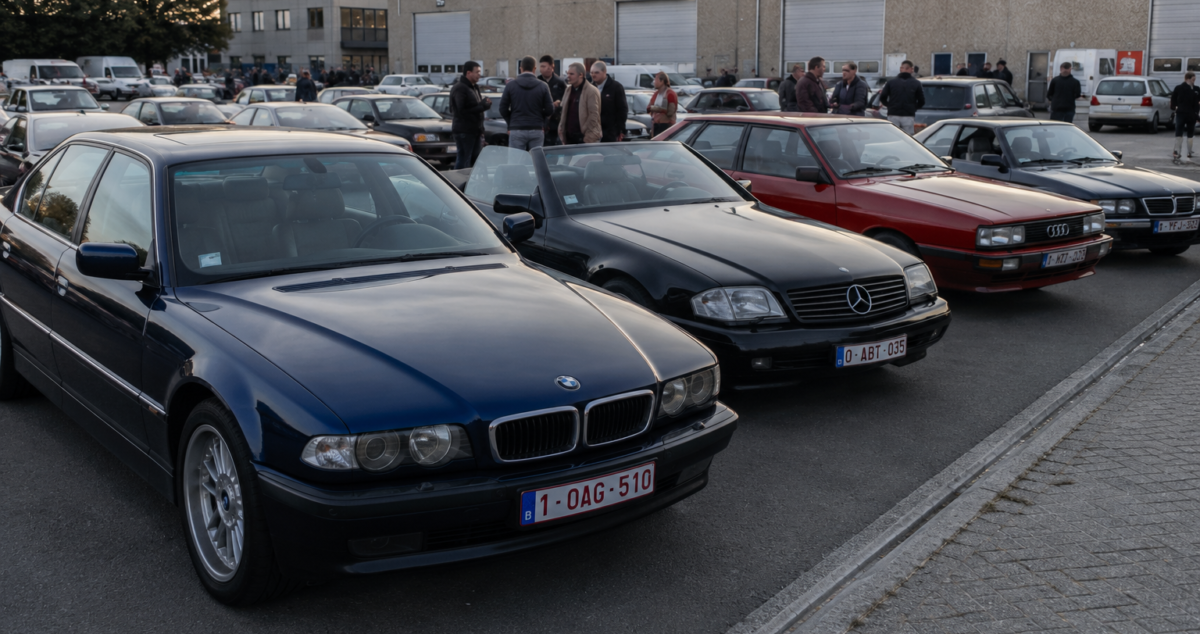
Owning a classic car is a dream for many automotive enthusiasts. Whether it’s a vintage sports car, a beloved family sedan from decades past, or a future collectible youngtimer, the experience can be incredibly rewarding. However, many first-time classic car owners quickly discover that buying the car is only the beginning of the journey.
The good news is that most expensive and frustrating mistakes can be avoided with proper planning and realistic expectations. Here are the biggest mistakes beginners make when entering the world of classic cars – and how to avoid them.
Buying with emotion instead of logic
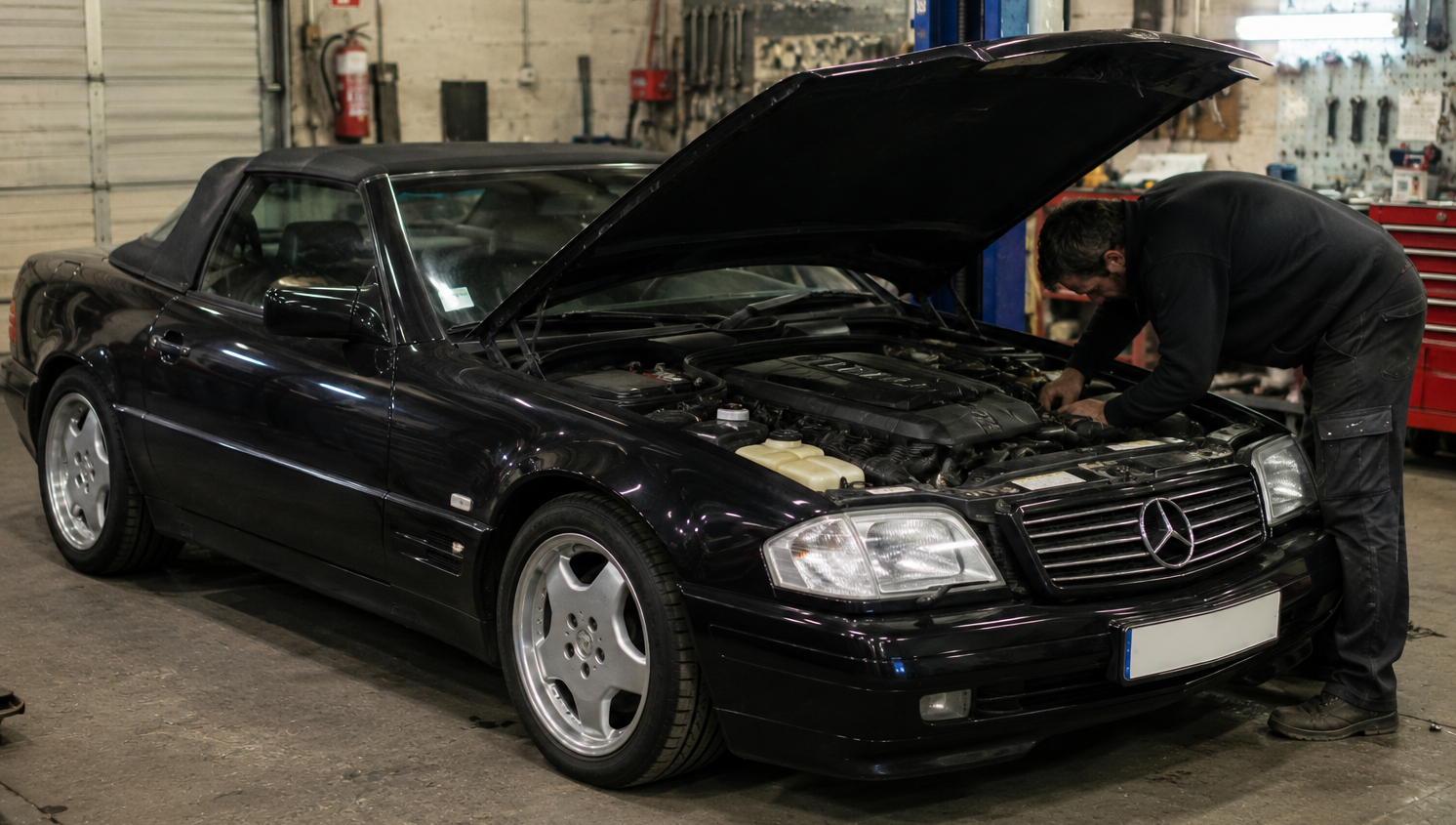
Many buyers fall in love with a vehicle’s appearance, history, or rarity and ignore warning signs during the inspection process. Rust, poor-quality repairs, missing documentation, and mechanical issues are often overlooked because the buyer fears missing out on the opportunity.
A classic car should always be evaluated objectively. Bring an experienced mechanic or enthusiast with you, inspect the vehicle thoroughly, and never rush a purchase. A bargain-priced classic can quickly become a financial burden if hidden problems emerge later.
Remember: buying the best example you can afford is usually cheaper than restoring a poor one.
Underestimating the real cost of ownership
A classic car purchased for €8,000 may require another €5,000-€15,000 in maintenance, repairs, tires, suspension components, electrical work, and cosmetic improvements during the first few years.
Typical annual expenses may include:
- Insurance
- Storage or garage rental
- Regular servicing
- Replacement parts
- Fuel
- Registration and inspections
Before buying, create a realistic budget that includes both expected and unexpected costs. Owning a classic car is generally more affordable when viewed as a long-term hobby rather than a short-term investment.
Choosing a rare model with poor parts availability
While owning a rare classic can be exciting, sourcing parts can become a nightmare. A simple component failure may leave the car off the road for weeks or even months while parts are located, shipped, or reproduced.
For a first classic car, it is often wiser to choose a model with strong aftermarket support and an active enthusiast community. Popular classics typically offer better parts availability, more technical knowledge, and lower maintenance costs.
Before buying any vehicle, research the availability and average price of common replacement parts.
Ignoring rust and structural corrosion
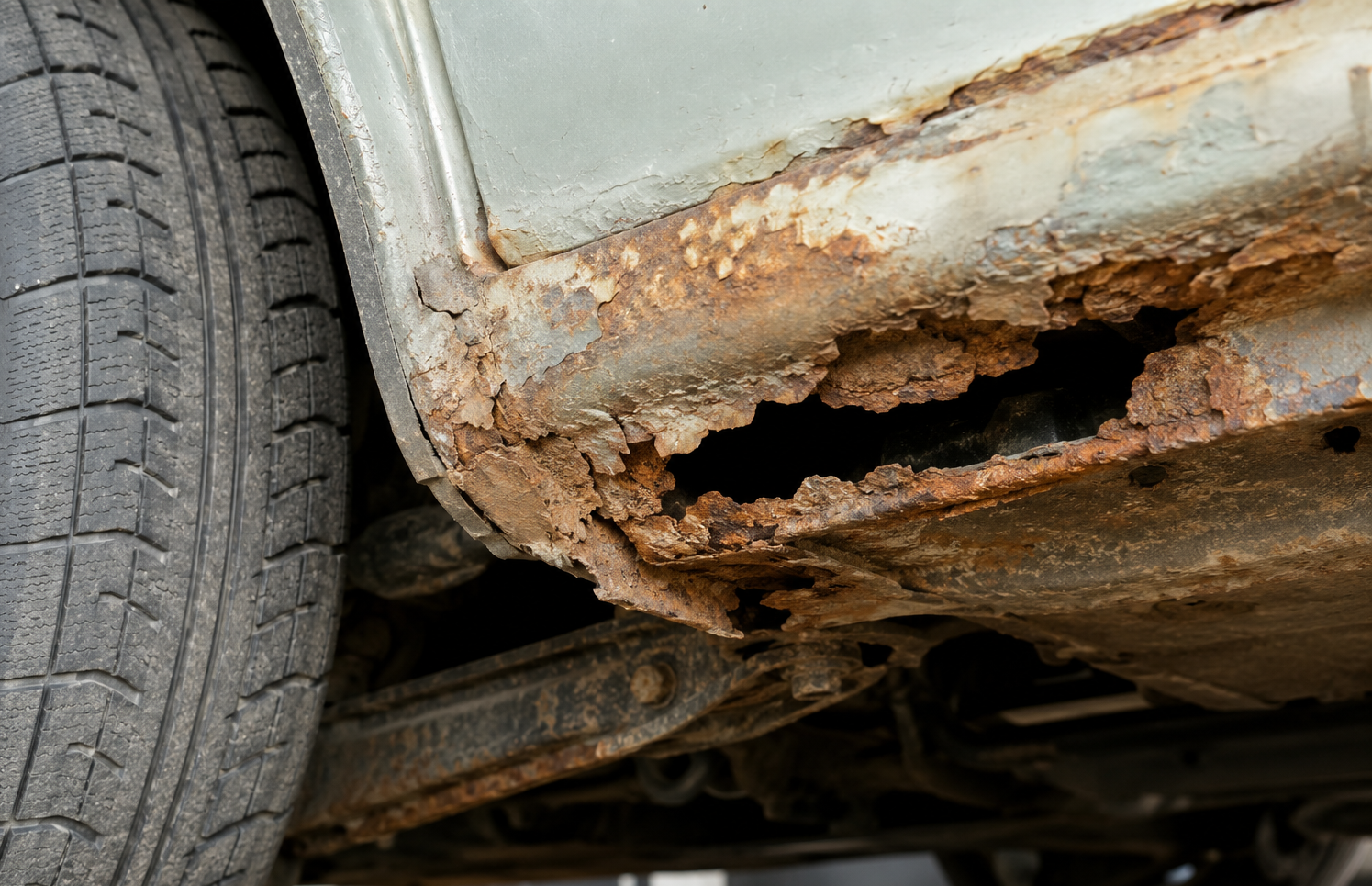
Mechanical problems are often easier and cheaper to fix than rust.
Many beginners focus on engines, transmissions, and mileage while overlooking corrosion hidden beneath carpets, inside wheel arches, under seals, and within structural sections of the chassis.
A vehicle with severe rust damage can require repairs costing several thousand euros. In some cases, restoration expenses may exceed the vehicle’s market value.
Always inspect:
- Floor pans
- Sills
- Wheel arches
- Suspension mounting points
- Trunk floor
- Door bottoms
- Frame rails
If possible, use a professional inspection service before committing to a purchase.
Starting a full restoration too soon
Restoration videos on social media make complete rebuilds look simple.
In reality, a full restoration is often a multi-year project requiring significant money, time, tools, and expertise. Many first-time owners disassemble a vehicle completely, only to lose motivation when costs escalate.
A better approach is to buy a running, roadworthy classic whenever possible. This allows you to enjoy the car while gradually improving it over time.
Driving a classic car is usually more rewarding than staring at boxes of parts in a garage for several years.
Neglecting preventive maintenance
Classic cars demand a different maintenance philosophy than modern vehicles.
Waiting until something breaks often leads to larger and more expensive problems. Rubber seals, fuel lines, belts, hoses, fluids, and electrical connections deteriorate with age, even when the vehicle is rarely driven.
Preventive maintenance should include:
- Regular fluid changes
- Brake inspections
- Fuel system checks
- Battery maintenance
- Lubrication of moving components
- Tire condition monitoring
Small preventative expenses can save thousands of euros in future repairs.
Conclusion
The classic car hobby can be one of the most rewarding experiences for automotive enthusiasts. However, success depends on realistic expectations, careful purchasing decisions, and ongoing maintenance.
If you are buying your first classic car, focus on condition rather than rarity, budget for ownership costs, and choose a vehicle with strong parts support. Doing so will dramatically increase your chances of enjoying the hobby instead of becoming frustrated by it.
The best classic car is not necessarily the rarest or most expensive one – it is the one you can drive, maintain, and enjoy for years to come.
Q: What is the biggest mistake first-time classic car owners make?
A: Buying a vehicle based on emotion rather than condition. Hidden rust and deferred maintenance often become expensive surprises after purchase.
Q: How much money should I reserve for repairs after buying a classic car?
A: A good rule is to keep at least €2,000–€5,000 available for unexpected repairs and maintenance during the first year of ownership.
Q: Is a rare classic car a good first purchase?
A: Usually not. Beginners are often better served by models with strong parts availability and active owner communities.
Q: Should I buy a restored car or a project car?
A: For most first-time owners, a well-maintained, roadworthy car is the safer and more enjoyable choice than a restoration project.
Are you already a proud owner of a classic car? If so, check out our selection of parts for this car at the following link: