1. A mid-engine masterpiece or a mechanic’s nightmare?
2. The boxer engine and the IMS bearing
3. Mechanical integrity
4. Interior quality
5. Investing in the future
6. Conclusion
A mid-engine masterpiece or a mechanic’s nightmare?
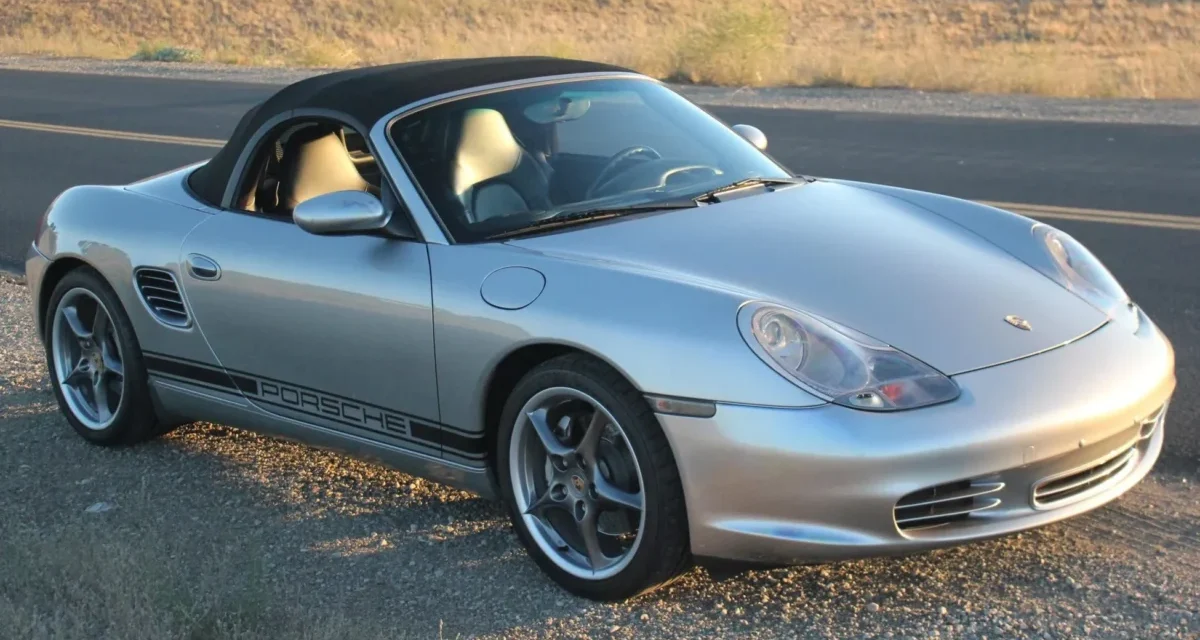
Forget the “poor man’s Porsche” labels. In 2026, the Porsche Boxster 986 has become the ultimate litmus test for car enthusiasts: it’s either the smartest investment you’ll ever make or the most expensive “cheap” car you’ll ever own.
As the top-tier models climb into the price stratosphere, the 986 stands alone as the last bastion of pure, analog Stuttgart soul that won’t require a second mortgage. It’s a car that offers 90% of the legendary Porsche experience for 20% of the price, but it comes with a catch. It’s a mid-engine precision tool wrapped in a controversial 90s aesthetic, hiding mechanical “time bombs” that scare away the weak, but reward the informed. If you want to know why the world is suddenly obsessed with “fried egg” headlights and flat-six engines that cost a fortune to fix – but even more to live without – you’re in the right place.
The boxer engine and the IMS bearing
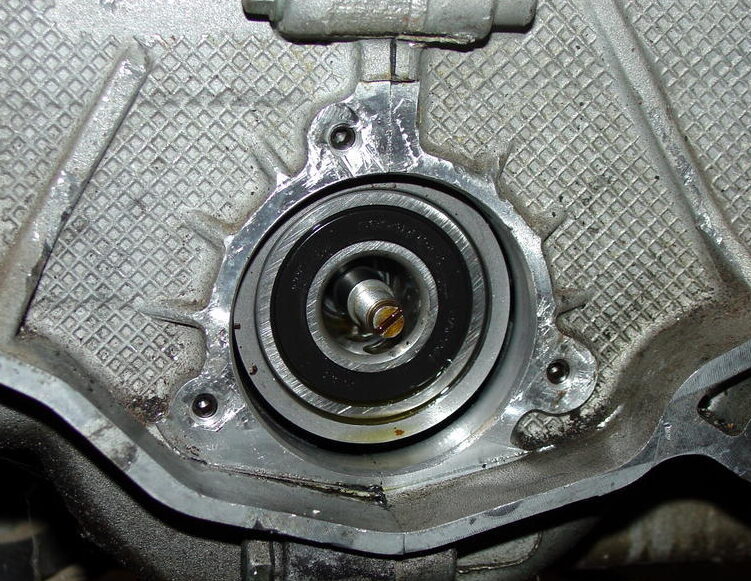
You cannot talk about the 986 without mentioning the IMS (Intermediate Shaft) Bearing. It’s the “boogeyman” of the Porsche world. While the internet suggests every engine is a ticking time bomb, the actual failure rate is around 5-10%. By 2026, most surviving Boxsters have either had the IMS retrofit completed or have proven their longevity through high mileage. If you’re buying today, look for documented proof of a dual-row or ceramic bearing replacement.
Mechanical integrity
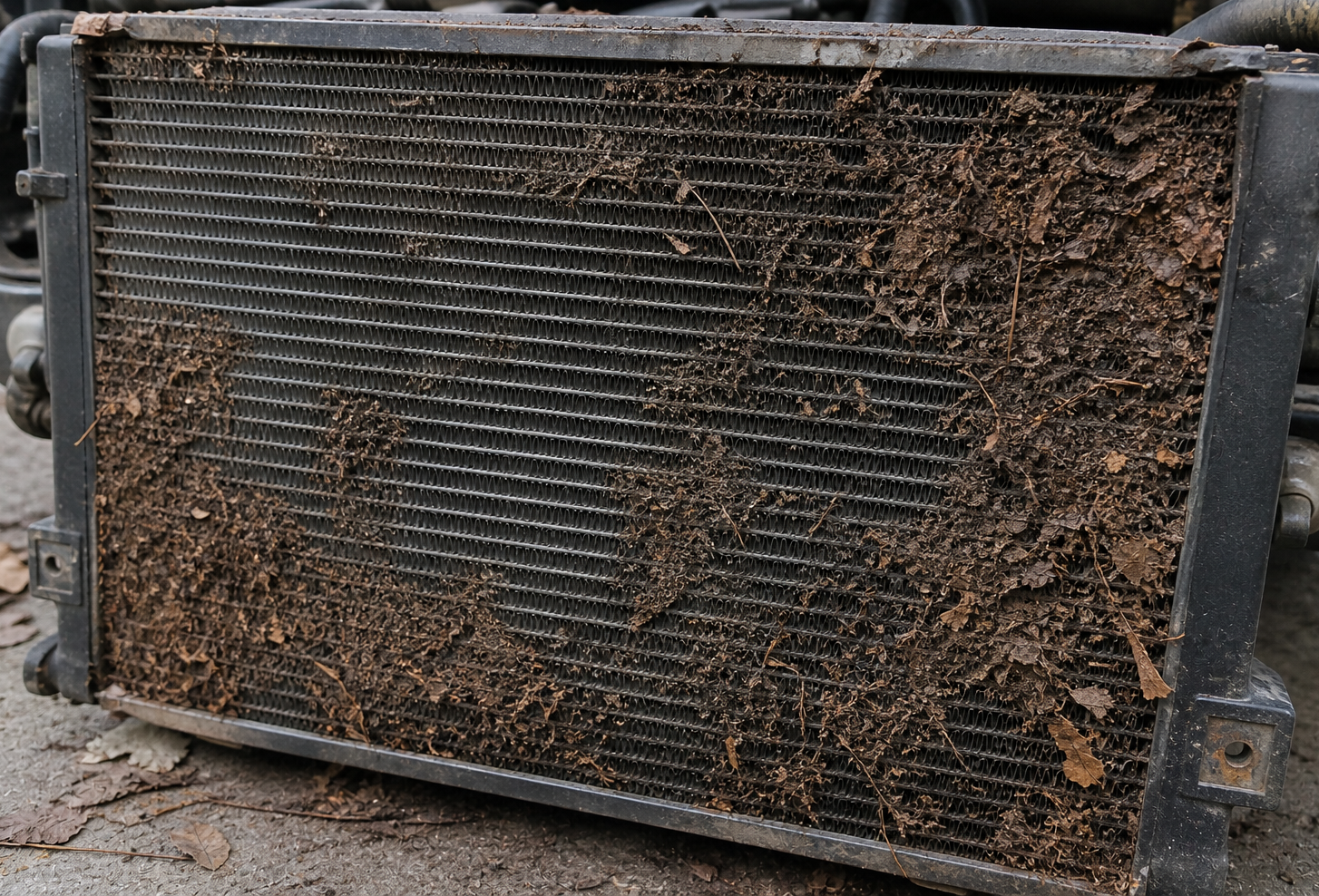
The real concern for seasoned owners isn’t just the IMS; it’s bore scoring and the cooling circuit. The M96 engine’s cylinders can develop scratches that lead to oil consumption and eventually engine failure. The solution? High-quality synthetic oils and frequent changes. Furthermore, the 986’s front radiators are “leaf magnets.” If not cleaned regularly, they rot from the inside out, causing the engine to run hot – a death sentence for a mid-mounted boxer.
Interior quality
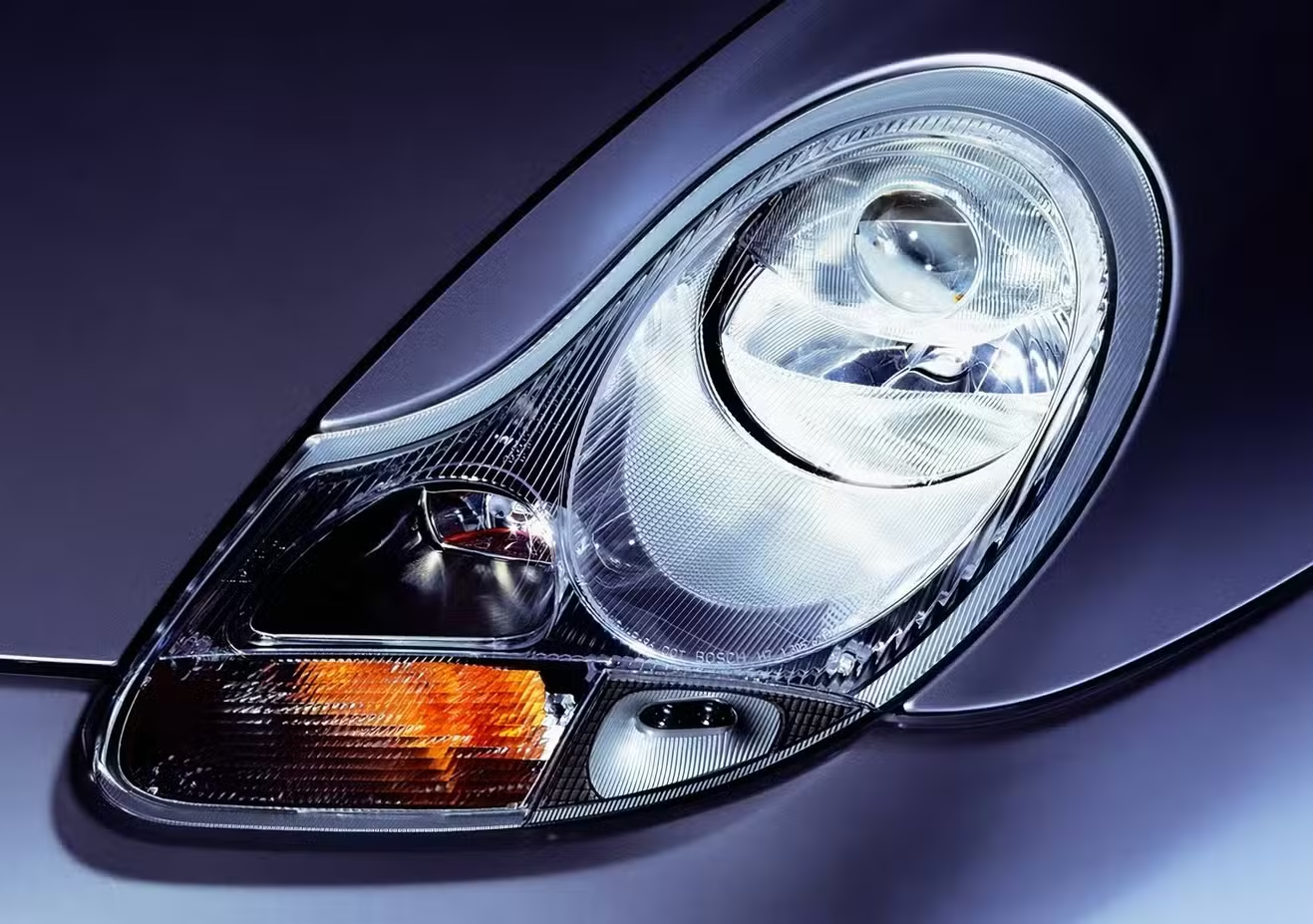
In 1996, the “fried egg” headlights were hated. In 2026, they are a badge of late-90s cool. This design defines the era of Porsche’s rebirth. Inside, however, the 986 shows its age through “soft-touch” plastics that turn into a sticky mess over time. Savvy enthusiasts are now restoring these cabins with Alcantara or high-end leather, turning the dated 90s cockpit into a bespoke boutique space that feels premium again.
Investing in the future
The days of finding a dirt-cheap Boxster 986 are over. Prices have stopped falling and are now steadily going up, particularly for the more powerful Boxster S with its 3.2L engine and 6-speed manual gearbox. While it’s not a ‘get-rich-quick’ scheme, buying a 986 is a smart way to protect your savings. Unlike modern electric cars that lose value quickly, a well-maintained Boxster will never be worthless. In fact, as poorly kept models disappear from the roads, yours will only become rarer and more valuable.
Conclusion
The Porsche Boxster 986 is a high-stakes game of “reward vs. risk.” If you find a car with a documented service history and addressed mechanical weak points, you get a world-class sports car that sounds, smells, and drives like a legend. It’s the ultimate 2026 classic: analog enough to be soulful, but modern enough to keep up with traffic. Just remember: there is no such thing as a “cheap” Porsche, only one with a delayed payment plan.
FAQ: Choosing your first Porsche Boxster 986
Q: Is the Porsche Boxster 986 a good daily driver?
A: Yes, but only if you have a maintenance budget. While it’s comfortable and has two trunks (front and rear), it is still a 20+ year-old performance car. Regular checks on the cooling system and oil levels are mandatory for daily reliability.
Q: Which engine is better: the 2.5L, 2.7L, or 3.2L?
A: The 3.2L (Boxster S) is the most desirable for enthusiasts due to its power and 6-speed gearbox. The 2.7L is a great middle-ground for reliability and fuel economy, while the early 2.5L is the most affordable but offers the least performance.
Q: How much does it cost to fix the IMS bearing?
A: A professional IMS bearing retrofit typically costs between €1,800 and €3,200, as it is usually done while replacing the clutch. It is a high upfront cost that prevents a total engine failure, which could cost over €10,000.
Q: Does the Porsche 986 rust?
A: Porsche used excellent galvanization, so rust is rare on the body. However, you should check the suspension components, exhaust bolts, and front radiators, which are prone to corrosion if the car was driven in winter or near the ocean.
Q: Will the Boxster 986 increase in value?
A: Yes. Well-maintained examples, especially in rare colors or the “S” version, are already appreciating. It is currently one of the strongest “buy” recommendations in the classic car market because it has already passed its lowest price point.
Photos sources: carbuzz.com, Bring a Trailer, 101projects.com

























































 Added on: May 5, 2026
 Author: OctoClub