

























































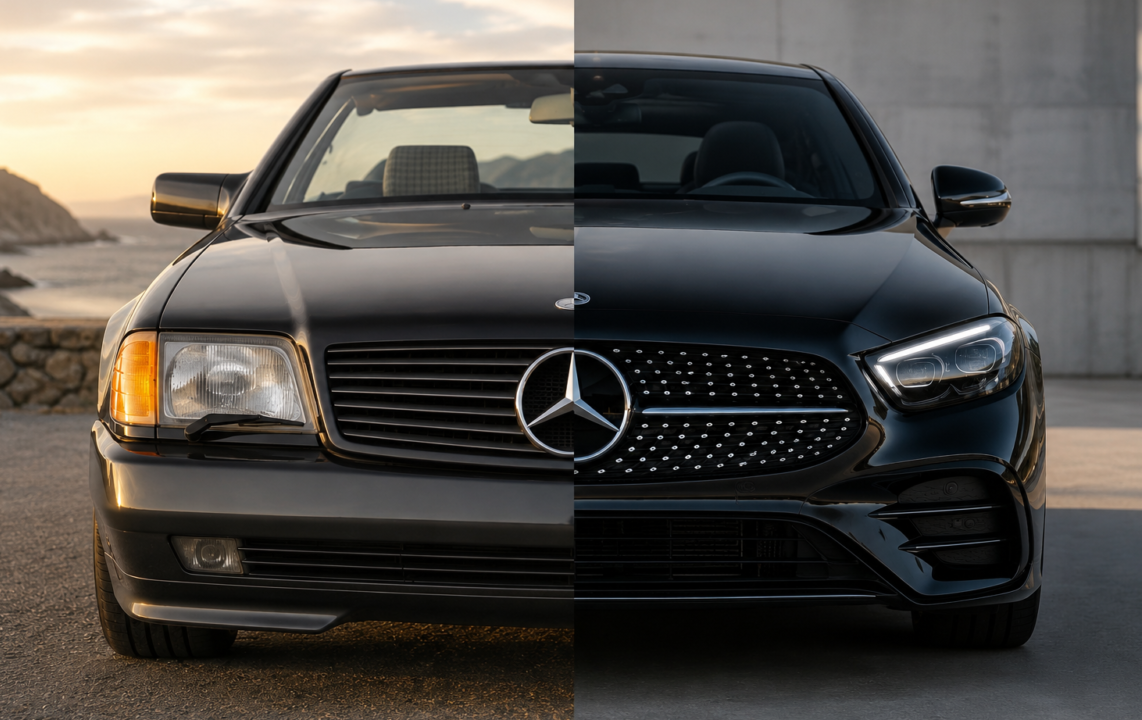
Why do some people still drive old luxury cars?
 Added on: June 13, 2026
 Author: OctoClub
1. Old luxury cars and the psychology of status
2. Why quality matters more than new technology
3. The link between old luxury cars and conscientiousness
4. Why some wealthy people prefer older luxury cars
5. Nostalgia, identity, and emotional attachment
6. A quiet rebellion against consumer culture
7. When an old luxury car becomes a status symbol
Old luxury cars and the psychology of status
Humans naturally communicate social status. Throughout history, status has influenced access to resources, opportunities, and social influence. Today, cars remain one of the most visible status symbols people use.
However, not everyone signals status in the same way.
Some individuals purchase a brand-new luxury vehicle costing €80,000, €100,000, or even €150,000 to showcase success. Others choose to keep a well-preserved luxury sedan from the early 2000s, even when they could afford something newer.
The difference often lies in how people seek validation.
Drivers of older luxury cars frequently display a strong internal sense of self-worth. Rather than relying on external approval, they feel comfortable making decisions based on their own preferences. Their confidence comes from within, not from the reactions of others.
As a result, their vehicle becomes less about impressing people and more about personal satisfaction.
Why quality matters more than new technology
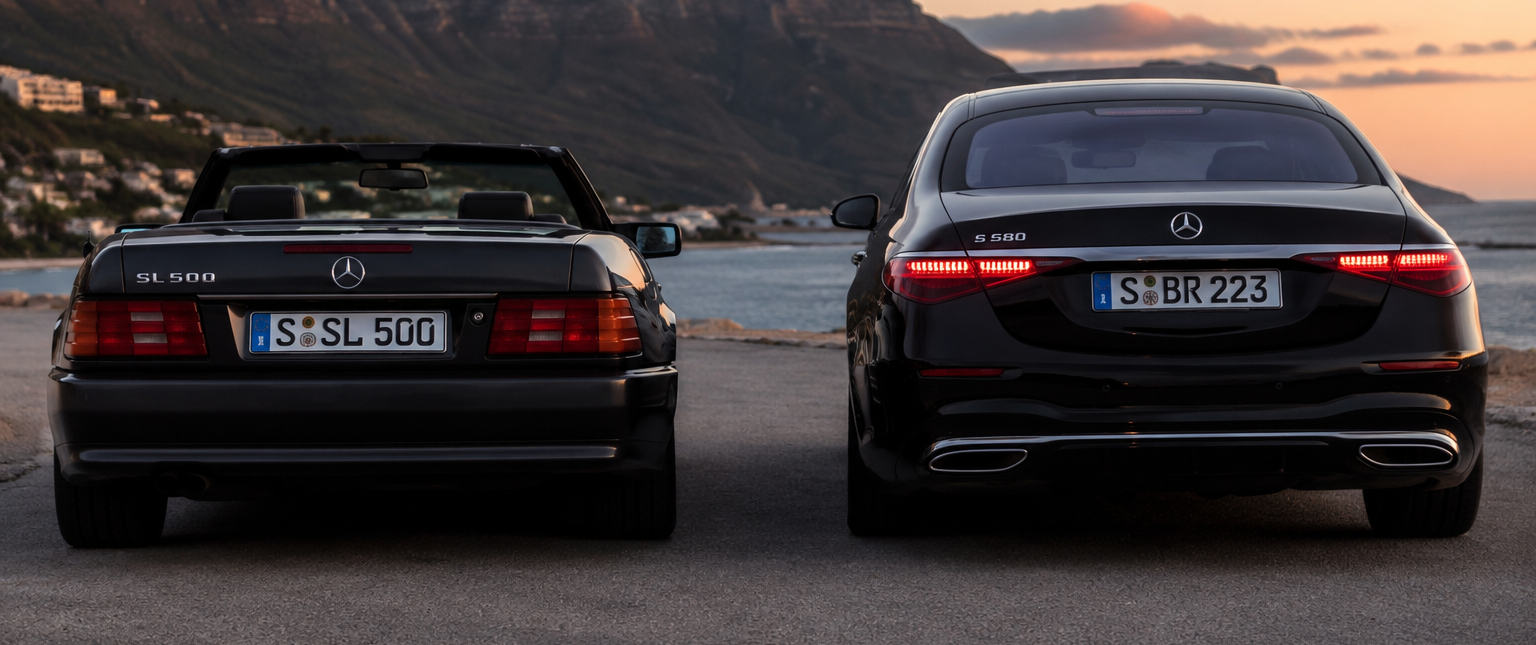
One reason many enthusiasts continue driving older luxury vehicles is the exceptional craftsmanship found in many premium models from previous decades.
Cars such as the Mercedes-Benz E-Class, BMW 7 Series, Audi A8, and Lexus LS were often engineered with remarkable attention to detail. Solid materials, durable construction, and timeless design contributed to a feeling of quality that many owners still appreciate today.
While modern vehicles often prioritize digital features, large screens, and subscription-based services, older luxury cars frequently offer something different: mechanical simplicity and a sense of permanence.
For these owners, quality outweighs novelty.
Driving an older luxury vehicle reflects a belief that newer does not automatically mean better. Instead, value is measured by durability, engineering excellence, and long-term satisfaction.
The link between old luxury cars and conscientiousness
Psychologists often associate vehicle ownership habits with personality traits. One trait frequently observed among owners of well-maintained older luxury cars is conscientiousness.
Conscientious individuals tend to:
- Plan carefully
- Maintain their possessions
- Pay attention to details
- Think long term
- Value responsibility
A 25-year-old Audi A8 with flawless leather seats and no visible rust does not stay in excellent condition by accident. Maintaining such a vehicle requires discipline, consistency, and care.
In many cases, the condition of the car reflects the owner’s broader approach to life. The vehicle becomes an extension of their values and habits.
Why some wealthy people prefer older luxury cars
One of the biggest misconceptions about old luxury car owners is that they lack financial resources.
In reality, many financially successful individuals deliberately avoid purchasing new luxury vehicles.
Consider the economics. A new luxury sedan priced at €100,000 can lose approximately 20% to 30% of its value during the first year alone. That represents a depreciation cost of €20,000 to €30,000.
Financially disciplined people often view this loss as unnecessary.
Instead, they may purchase a well-maintained luxury vehicle that has already experienced the majority of its depreciation. The result is a significantly lower purchase price while still enjoying comfort, prestige, and performance.
For these owners, driving an older luxury car is not a sign of financial limitation. It is often a sign of financial intelligence.
Nostalgia, identity, and emotional attachment
Not every decision is driven by logic or economics.
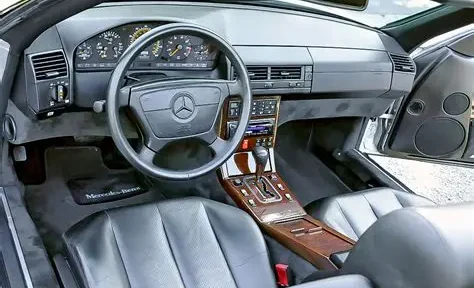
For many owners, an older luxury car carries emotional significance. It may remind them of an important period in their life, a family member, or a personal achievement.
Cars often become linked to memories and identity.
A Mercedes inherited from a parent, a BMW purchased after a first major career success, or a Jaguar associated with a meaningful life chapter can become far more than transportation.
In these situations, the vehicle serves as a time capsule. Every drive reconnects the owner with memories, emotions, and experiences that remain valuable long after the car’s market value has declined.
This emotional connection is a deeply human reason for keeping an older vehicle.
A quiet rebellion against consumer culture
Some people drive older luxury cars because they reject modern consumer expectations.
Today’s culture often encourages constant upgrading:
- New smartphones every year
- New cars every few years
- Continuous displays of success on social media
Not everyone wants to participate.
Choosing to maintain an older Mercedes, Volvo, BMW, or Lexus can represent a subtle form of independence. It communicates that the owner values personal choice over social pressure.
This mindset often reflects confidence and self-assurance. Rather than chasing trends, these individuals make decisions based on what genuinely works for them.
When an old luxury car becomes a status symbol
Of course, not every owner fits the same profile.
In some cases, people hold onto aging luxury vehicles primarily because they want to maintain a certain social image. The prestige badge remains important even when the vehicle’s condition no longer reflects genuine luxury.
Psychologists refer to this behavior as status maintenance. The car becomes a tool for preserving an identity rather than serving practical needs.
Understanding this motivation helps explain why some individuals continue investing in vehicles that may no longer make financial sense.
Q: Why do people keep driving old luxury cars?
A: Many owners value craftsmanship, comfort, emotional attachment, financial efficiency, and independence from social pressure.
Q: Is maintaining an old luxury car expensive?
A: Maintenance costs can be higher than those of standard vehicles, but the lower purchase price often offsets some of these expenses.
Q: Do old luxury cars still provide value today?
A: Yes. Well-maintained models can offer excellent comfort, engineering quality, and driving experience at a fraction of the cost of a new luxury vehicle.
Inspired by the analysis of our friend @nouspsychology159. Make sure you check his other videos
https://www.youtube.com/@nouspsychology159
Are you already a proud owner of a classic car? If so, check out our selection of parts for this car at the following link:
Photos sources: pcarmarket.com