
















































Why Do 3D-Printed Classic Car Parts Cost Different Amounts?
 Added on: October 31, 2026
 Author: OctoClub
1. Why is one 3D-printed classic car part £5 and another £25?
2. The price of a part starts before manufacturing
3. FDM, MJF and laser sintering: The manufacturing process affects the cost
4. Material is only one part of the cost
5. Finishing can make a significant difference to the final price
6. Small production runs, quality control and the cost of keeping rare parts available
Why is one 3D-printed classic car part £5 and another £25?
When shopping for replacement parts for a classic car, you may find seemingly similar components at very different prices. One small plastic part might cost just a few pounds, while another can cost £25, £50 or more. Why such a difference?
The answer is that the price of a 3D-printed car part is not determined by its size alone – or by the number of grams of plastic used to make it.
Behind a finished replacement part, there may be hours of design work, specialised manufacturing, material selection, surface finishing, colour matching and production preparation. Some components are relatively straightforward to reproduce. Others require a much more involved process to recreate a discontinued part that fits a specific classic car.
At OctoClassic, we specialise in reproduced and re-engineered replacement parts for classic cars and youngtimers. In this final article of our FDM vs MJF series, we explain the factors that influence the price of 3D-printed automotive parts and show what they mean in practice.
The price of a part starts before manufacturing
It is easy to focus on the printing process itself. However, manufacturing is only one stage of bringing a replacement part to market.
Before production can begin, a manufacturer needs a suitable digital model. Depending on the component, this may require measuring an original part, creating a CAD model, reconstructing missing geometry, adapting the design for manufacturing or correcting weaknesses in the original construction.
This work has a cost, even if the finished component weighs only a few grams.
Consider a small plastic cover with several mounting points. Producing the physical object may be relatively quick once a suitable digital model exists. Developing that model in the first place can be considerably more involved.
The situation becomes more complicated when the original part is damaged, distorted, incomplete or no longer available. The manufacturer may need to determine the original shape from surviving components, measurements or reference information before creating a production-ready design.
There is another important factor: development costs must be recovered across the number of parts produced.
A component manufactured in large quantities can spread its initial development costs across many units. A specialist replacement part for a particular classic Mercedes-Benz model may sell in much smaller volumes. Each sale therefore has to contribute more towards the cost of developing and maintaining the product.
FDM, MJF and laser sintering: The manufacturing process affects the cost
Different 3D-printing technologies have different cost structures. The equipment, materials, production preparation, machine time and finishing requirements all influence the final price.
Fused Deposition Modelling (FDM) uses a heated nozzle to deposit thermoplastic filament. It can be an accessible option for prototypes, individual components and certain functional replacement parts. Desktop equipment also makes small-scale production possible without the same investment required for industrial manufacturing.
However, a low equipment cost does not automatically mean that every finished part will be inexpensive. The final cost still depends on the material, print settings, production time, labour and any additional work required.
Industrial powder-bed processes operate differently. They require specialised equipment, appropriate materials and controlled production procedures. Their economics can also depend on how efficiently multiple components are arranged and manufactured within a production job.
At OctoClassic, our product listings identify the manufacturing process used for individual components. For example, our Mercedes W124 Rear Door Panel Clip Repair Kit is listed as being manufactured using laser sintering with polymer powder.
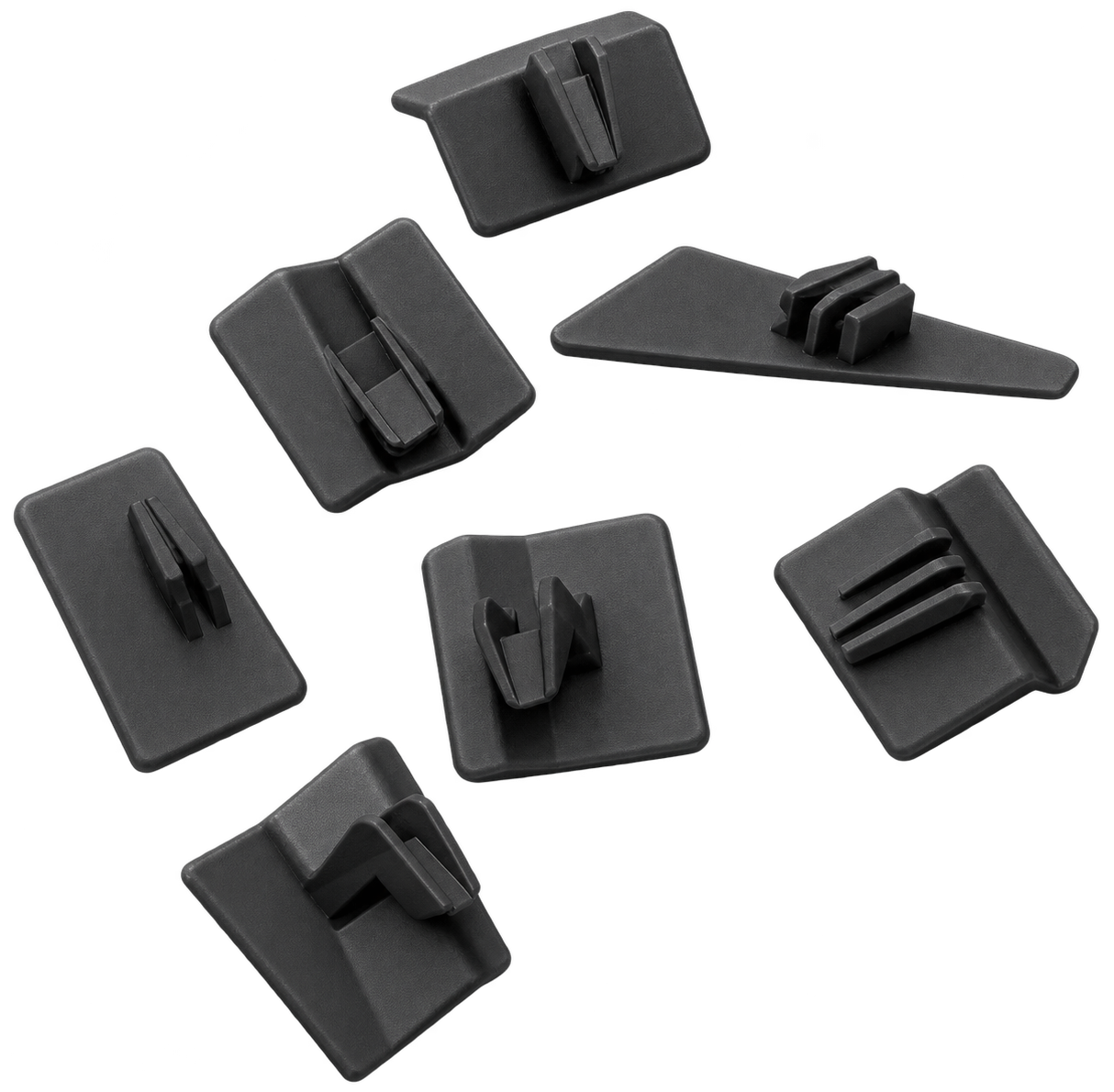
This distinction matters: laser sintering and Multi Jet Fusion (MJF) are different technologies. A part manufactured using one process should not automatically be described as an MJF product.
Neither FDM nor an industrial powder-based process automatically determines the correct selling price. What matters is the complete manufacturing route and the work needed to deliver the finished component.
Material is only one part of the cost
Material costs matter, but they are only one element of the total.
The relevant material must be suitable for the component’s intended application. Its availability, price, processing requirements and compatibility with the chosen manufacturing method can all affect production costs.
The amount of material used is not necessarily the best way to estimate a finished part’s value. A small component can require a specialised material or a production process with significant setup costs. A larger component may be comparatively straightforward to manufacture.
Consider our Mercedes-Benz W463 Front Windshield Wiper Arm Cover. The product is listed as using polymer powder laser sintering, followed by sandblasting and painting.
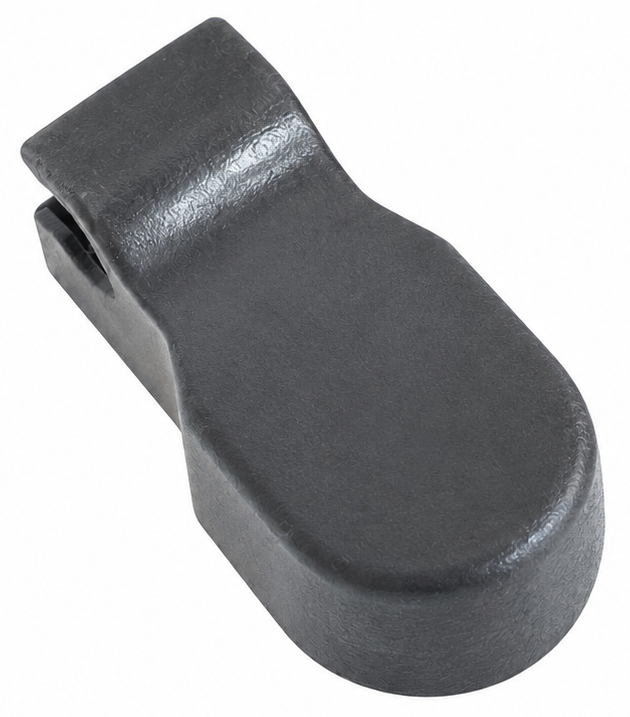
The listing also describes an updated design with increased thickness in areas that are commonly damaged.
The final product therefore represents more than the cost of the material used to make the cover. Its price also needs to account for the chosen manufacturing process, the finishing stages and the work involved in developing the component.
When comparing replacement parts, it is worth asking not only what material they contain, but also how they were manufactured and what is included in the finished product.
Finishing can make a significant difference to the final price
A part straight from a manufacturing machine is not necessarily ready to install.
Depending on the component, additional stages may include removing residual material, cleaning, surface preparation, sanding, painting, applying a decorative finish or assembling multiple elements.
These operations require time, labour, materials and appropriate equipment. They may also introduce additional handling and quality-control requirements.
The difference is particularly noticeable with classic car interior components, where a replacement part needs to look appropriate alongside the surrounding trim.
Take our Mercedes R129 Seat Switch Cover Without Memory. The listed manufacturing process is laser sintering with polymer powder, followed by sandblasting and painting. The product is available for the left or right side, with the relevant original Mercedes-Benz part numbers provided for identification.
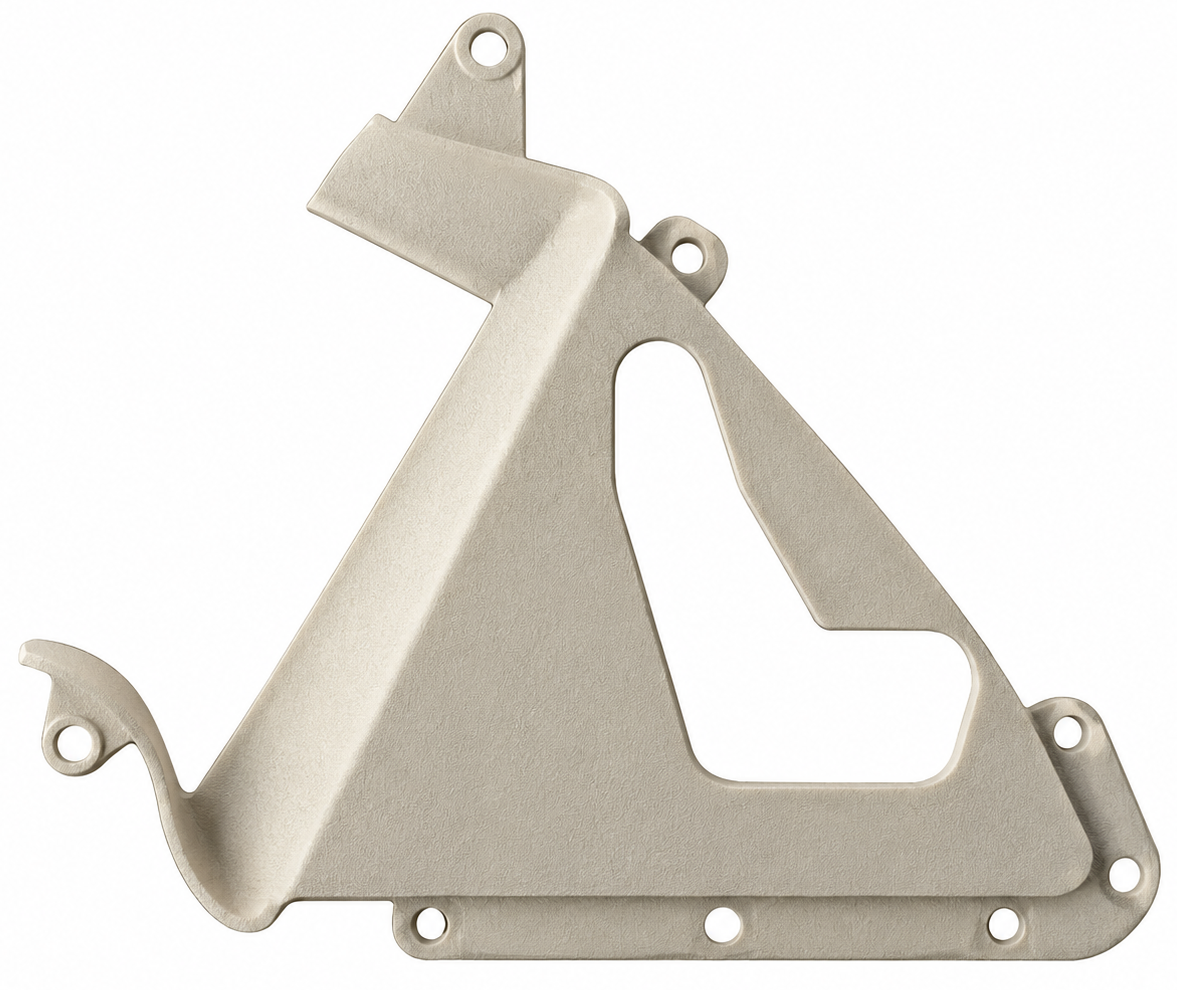
The finishing process is part of what turns a manufactured component into a finished interior replacement part. It should not be treated as an insignificant detail when comparing prices.
More elaborate products can involve further work. Our Mercedes R129 Seat Switch Panel Trim with Wood Veneer, for example, combines a powder-based manufacturing process with a wood veneer application.
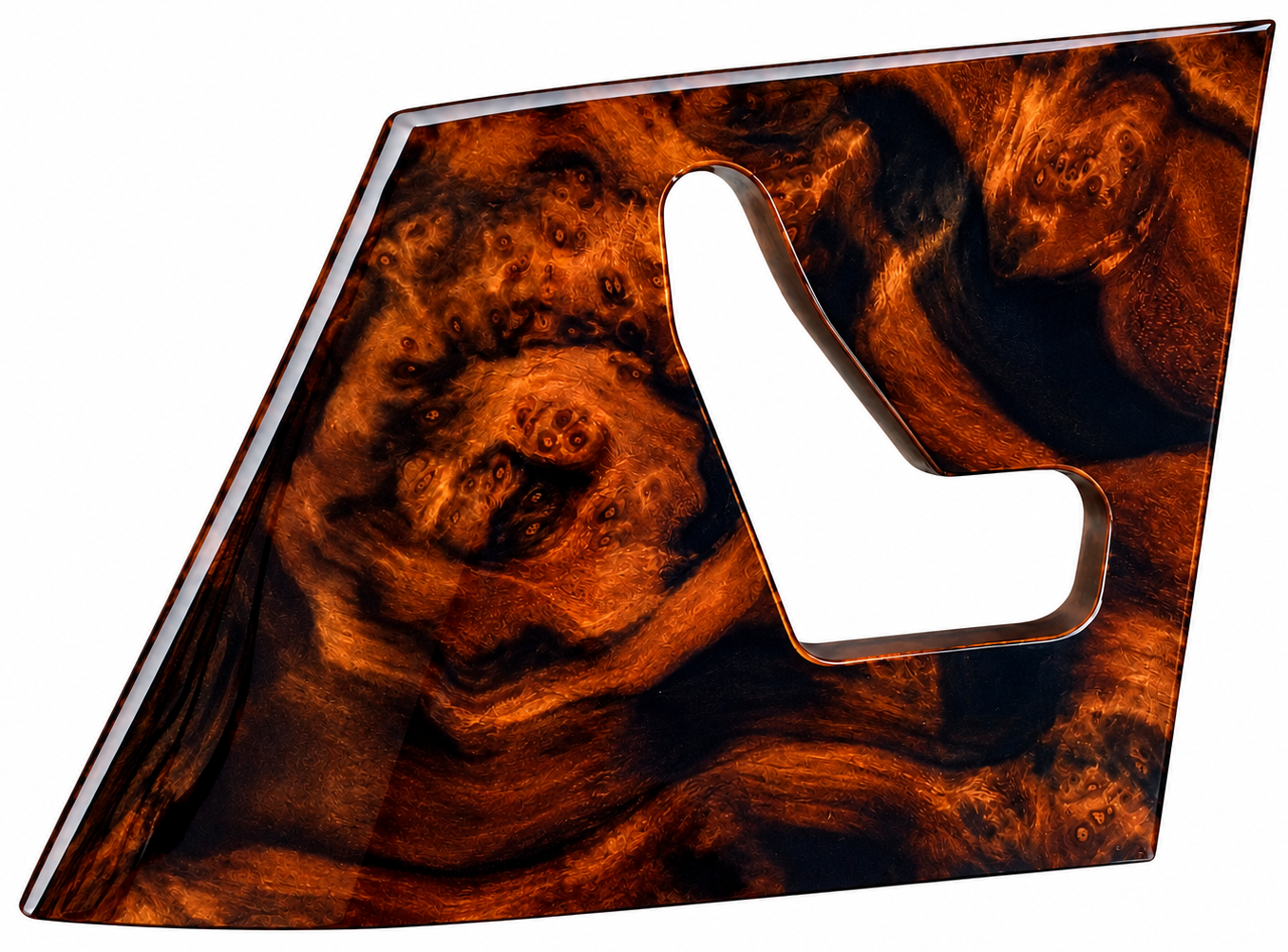
The product listing explains that wood selection and production complexity contribute to a lead time of approximately up to 24 working days.
This is a very different production task from making a basic plastic clip. The additional materials, finishing and complexity help explain why prices can vary substantially even among parts intended for the same vehicle.
Small production runs, quality control and the cost of keeping rare parts available
Classic car replacement parts are not always manufactured in the same volumes as components for current mass-produced vehicles.
A manufacturer may need to keep a digital model, production settings, material specifications and finishing requirements available for a part that sells only occasionally. Small production runs can make it harder to spread preparation and operating costs across many units.
There can also be a difference between producing an object once and establishing a repeatable process for producing it again.
A professional manufacturing workflow needs to account for the selected specifications, production consistency, finishing requirements and checks appropriate to the product. Inspection takes time, and that time belongs in the overall cost of manufacturing.
It is important, however, to distinguish between a general cost factor and a specific service claim. The exact checks performed can vary by manufacturer and product; customers should look for clear information rather than assume that every replacement part has undergone the same testing.
At OctoClassic, we provide product-specific information to help customers identify the right component. Depending on the listing, this can include the compatible model years, original part numbers, side, colour options and manufacturing or finishing details.
This kind of product information is particularly useful when replacing parts for older vehicles, where different versions and interior specifications may exist.
Finding a suitable replacement for a discontinued component is part of the value customers are paying for. The aim is not simply to manufacture another piece of plastic, but to offer a clearly identified replacement for a specific application.
Q: Why are some original classic car parts more expensive than newly manufactured replacements?
A: Original parts can command a premium because they are no longer produced, are difficult to source, or are available only in limited quantities. Their value may also depend on originality and collector demand. A newly manufactured replacement can offer a practical alternative when the original part is damaged, provided the replacement is suitable for the intended application.
Q: When is repairing an original component better than replacing it with a 3D-printed part?
A: Repairing the original component may be preferable when it retains most of its structural integrity, has historical significance, or contains features that are difficult to reproduce. Replacement may make more sense when mounting points are missing, the material has deteriorated extensively, or a reliable repair would require disproportionate time and expense. The decision depends on the component’s function, condition and availability.
Q: Why can replacement parts for the same car model vary significantly in availability and price?
A: A single model range may include multiple production years, facelifts, trim levels, interior configurations and market-specific versions. Even parts that look nearly identical can have different mounting points, dimensions or part numbers. Limited demand for a specific variant can also make production less economical. Checking the exact application and original part number helps avoid purchasing an incompatible component.
Q: What should buyers consider when choosing replacement parts for a classic car that is driven regularly rather than kept as a show car?
A: For a regularly driven vehicle, practical considerations include the component’s function, exposure to vibration and environmental conditions, ease of installation, and the availability of a suitable replacement if it fails. For a show car, appearance, originality and finish may carry greater weight. In both cases, parts involved in safety-critical systems require particular care: a 3D-printed component should only be used where its material and design are appropriate for that specific application.
Are you already a proud owner of a Classic Car? If so, check out our selection of parts for this car at the following link:
Photo sources: youngtimers-uk.com