
























































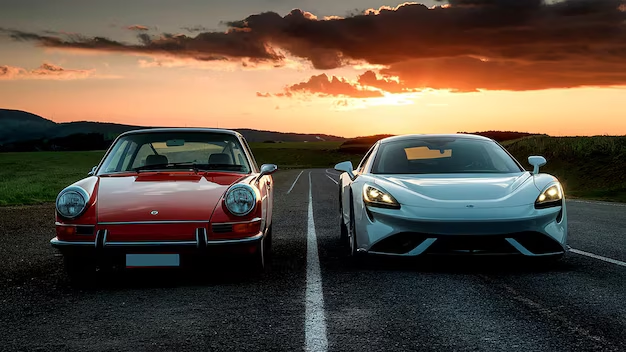
Why the classic car still matters?
 Added on: February 28, 2026
 Author: OctoClub
1. The myth of constant progress
2. The electric dream and its harsh reality
3. When marketing replaced merit
5. Are new performance cars truly better?
6. Paying more, receiving less
7. Soul, character, and the joy
The myth of constant progress
There is a common belief that new automatically means improved. Yet, looking closely at automotive development over the past decade, it becomes difficult to identify genuinely groundbreaking revolutions – apart from advances in autonomous driving, which many enthusiasts never asked for in the first place.
Much of today’s innovation feels like repackaging. Platforms are reused. Hybrid systems are refined but rarely reimagined. Interfaces grow larger, more complex, more digital – but not necessarily more intuitive.
The automotive industry appears trapped in a cycle: update, facelift, refresh, repeat.
The electric dream and its harsh reality
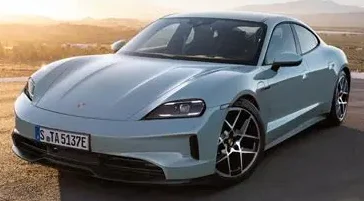
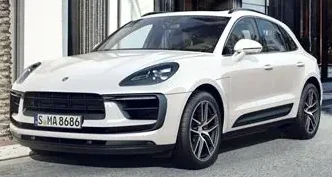
The electric revolution promised sustainability and a bold new chapter. Yet the market tells a more complicated story. Depreciation on many EVs has been dramatic, even among premium brands. The Porsche Taycan, once heralded as a game changer, has struggled in resale value. The electric Porsche Macan has faced similar headwinds.
An uncomfortable truth also lingers beneath the surface: when electric vehicles are involved in accidents, even minor ones, battery damage risks can lead to vehicles being written off rather than repaired. Cars that might otherwise continue their lives often end up parked in vast storage lots.
Sustainability, it turns out, is not just about tailpipe emissions. It is also about longevity.
When marketing replaced merit
There was a time when cars sold because they were good. A manufacturer had to build something exceptional. Drivers tested it, journalists reviewed it, friends recommended it. Reputation was earned on the road.
Today, marketing budgets often speak louder than mechanical excellence. A car can be presented as revolutionary through cinematic advertising, influencer campaigns, and carefully curated press coverage – even if the product itself is uninspiring.
Leasing structures make acquisition easier than ever. Discounts mask high list prices. Feedback loops weaken. If the monthly payment feels manageable, dissatisfaction is often swallowed.
The relationship between driver and machine becomes transactional rather than emotional.
Technology overload
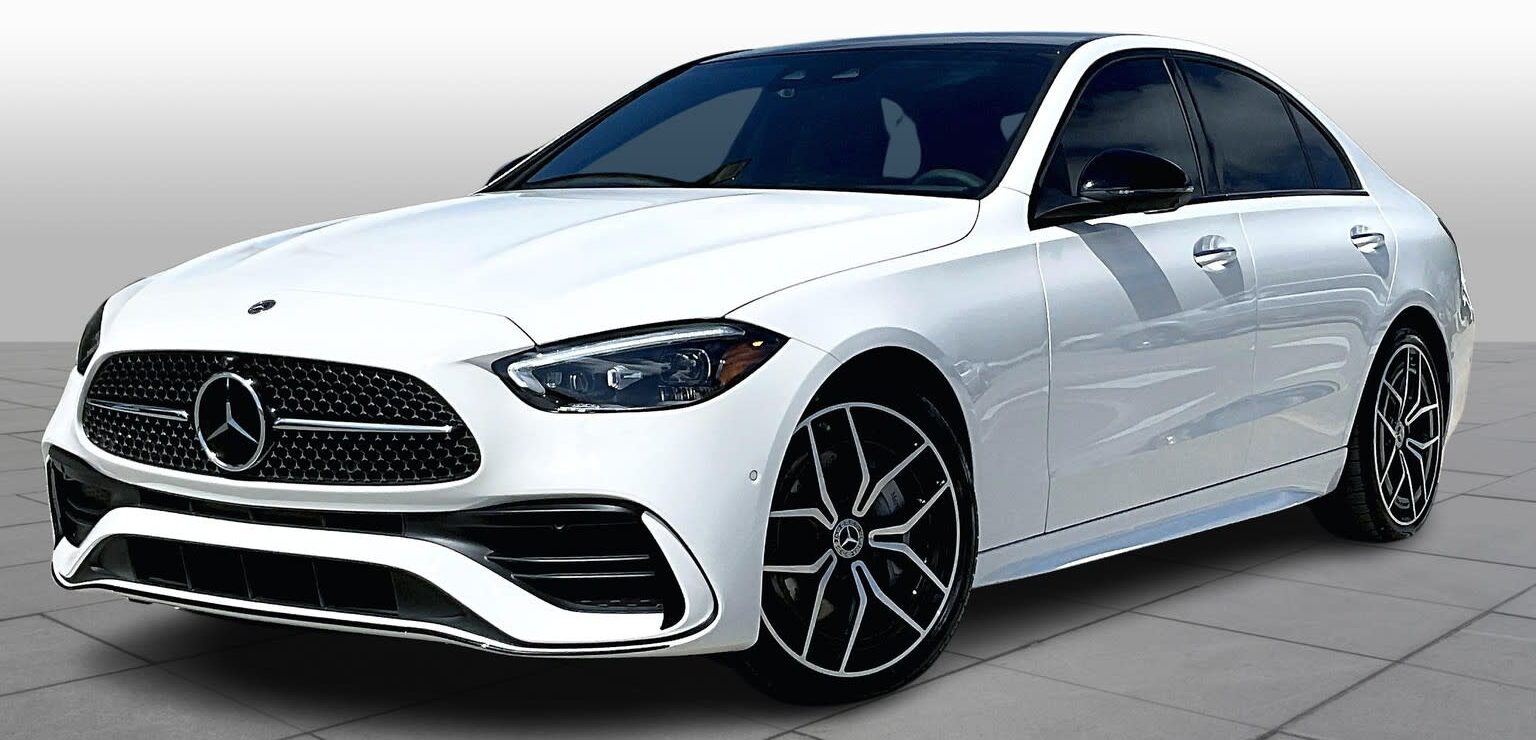
Consider a modern premium sedan like the Mercedes-Benz C 300. On paper, it promises efficiency, comfort, and cutting-edge technology. In practice, the driving experience can feel dominated by digital intervention.
Regenerative braking systems that cannot be fully disabled. Overzealous speed warnings. Persistent alerts. Large infotainment screens that warn drivers not to be distracted – while demanding constant attention.
The irony is striking: technology designed to simplify driving often complicates it.
In contrast, an older 964 offers almost no data. Fuel consumption remains a mystery unless measured manually. There are no pop-ups, no flashing warnings. Attention is directed outward, toward the road.
Driving becomes quieter – mentally, not just acoustically.
Are new performance cars truly better?
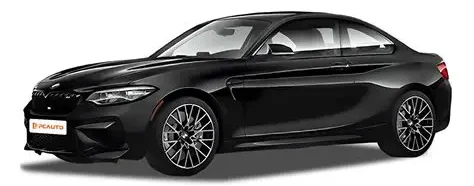
Take the evolution of the BMW M2 and its successor, the BMW M2. On paper, the newer model boasts more power, more screens, more presence.
Yet it is also heavier. More insulated. More filtered.
Interior displays have grown to cinematic proportions, yet their practical advantage remains debatable. Acceleration figures improve incrementally, but the rawness, the compact agility, the immediacy – those are harder to quantify, and sometimes diminished.
Progress, once again, becomes ambiguous.
Paying more, receiving less
Another subtle shift has crept into the premium segment: material quality. Where once even mid-range executive cars featured rich leather, solid switchgear, and tactile feedback, cost-cutting is now visible.
Plastics appear where metal once lived. Finishes feel thinner. Craftsmanship seems reserved for ultra-luxury price brackets, such as the Rolls-Royce Phantom or high-spec flagship SUVs.
To experience true opulence, one must climb ever higher in price. The middle ground feels squeezed.
Soul, character, and the joy
Perhaps the most significant loss is intangible: soul.
Older cars – even those only 10 or 15 years old – carry stories. They have traveled, aged, and developed character. Two identical models rarely feel entirely the same.
A 1990s Porsche and a 1990s Ferrari share little beyond four wheels. Even executive sedans of the late 2000s had distinct personalities. A BMW felt different from a Mercedes not only visually, but spiritually.
Today, many vehicles – regardless of badge – deliver similar acceleration curves, similar artificial soundtracks, similar digital interfaces. The differences blur.
In a 964, pleasure emerges at 40-60 km/h. There is no need for extreme velocity to access emotion. Mechanical sounds, manual gear shifts, unfiltered steering feedback – these small sensations create disproportionate joy.
Driving becomes a form of therapy. No rush. No notifications. No urgency.
Q: Why do many enthusiasts prefer older cars?
A: Older cars often provide direct steering, manual transmissions, naturally aspirated engines, and fewer electronic driving aids. These characteristics create a stronger connection between the driver and the car.
Q: Do electric cars depreciate faster than petrol cars?
A: Many electric vehicles have experienced higher depreciation than comparable petrol models, particularly as battery technology evolves quickly and new models are introduced. However, depreciation varies depending on the brand, model, demand, and local market.
Q: Are modern cars more reliable than older cars?
A: Modern cars are often more reliable in everyday use, but they are also more complex. Advanced electronics, hybrid systems, and software can make repairs more expensive once the vehicle is out of warranty.
Q: Are manual transmission cars becoming collectible?
A: Yes. As most manufacturers transition to automatic transmissions and electric vehicles, manual cars are becoming increasingly rare. This scarcity has made many manual performance cars more desirable among enthusiasts and collectors.
Q: Why do many drivers say older cars are more fun at lower speeds?
A: Older cars provide more mechanical feedback through the steering, gearbox, suspension, and engine. This allows drivers to enjoy the experience without needing extreme speeds, making everyday driving feel more engaging.
Q: Will classic cars become more popular in the future?
A: Many industry observers believe interest in classic and analog cars will continue to grow as new vehicles become increasingly digital and electrified. Models with naturally aspirated engines and manual transmissions are especially likely to remain desirable among enthusiasts.
Inspired by the analysis of our friend @MishaonWheels. Make sure you check his other videos
https://www.youtube.com/@MishaonWheels
Are you already a proud owner of a Porsche 911, Porsche Macan, Mercedes-Benz? If so, check out our selection of parts for this car at the following link:
https://octoclassic.com/product-category/porsche/911
https://octoclassic.com/product-category/porsche/macan
https://octoclassic.com/product-category/mercedes-benz
Photos sources: freepik.com, carpassion.vn, configurator.porsche.com, mbboerne.com, pcauto.com