










































FDM vs MJF: Why Fit and Finish Matter for Classic Car Parts
 Added on: October 16, 2026
 Author: OctoClub
1. Why can a 3D-printed part look right but fit wrong?
2. The real challenge: Matching original mounting points
3. Surface finish: Why the final appearance matters
4. Why repeatability and correct vehicle compatibility matter
5. What real replacement parts teach us about fitment
Why can a 3D-printed part look right but fit wrong?
Two components can look similar in photographs yet behave differently during installation. Small dimensional differences can affect how a part engages with its mounting points, aligns with neighbouring components or sits against the surrounding trim.
Several factors influence the final fit:
- Dimensional accuracy: Do the critical measurements match the intended design?
- Tolerances: Is there enough clearance for the part to fit without being too loose?
- Geometry: Are clips, tabs, holes and mounting surfaces correctly shaped?
- Manufacturing consistency: Are repeated parts produced within the required dimensional limits?
- Installation conditions: Is the surrounding original component undamaged and correctly positioned?
These factors are particularly important for interior trim, where even a small misalignment can be visible every time you enter the car.
FDM printing can produce accurate components, but the result depends on factors such as calibration, material shrinkage, build orientation and process settings. Powder-bed technologies such as MJF and laser sintering have their own dimensional characteristics and process requirements.
No printing technology automatically guarantees a perfect fit. The digital model, manufacturing process, finishing and validation all contribute to the result.
The real challenge: Matching original mounting points
One of the most difficult aspects of classic-car restoration is reproducing the small details that connect a replacement part to the vehicle.
Consider the Mercedes-Benz W124 rear door panel. Its mounting clips need to engage correctly with the door panel and the corresponding mounting points. If a clip is incorrectly shaped or dimensioned, the panel may not sit securely, or installation may become unnecessarily difficult.
Our Mercedes W124 Rear Door Panel Clip Repair Kit is designed specifically for W124 rear door cards and is manufactured using laser sintering with polymer powder. The kit is available for the left or right side.
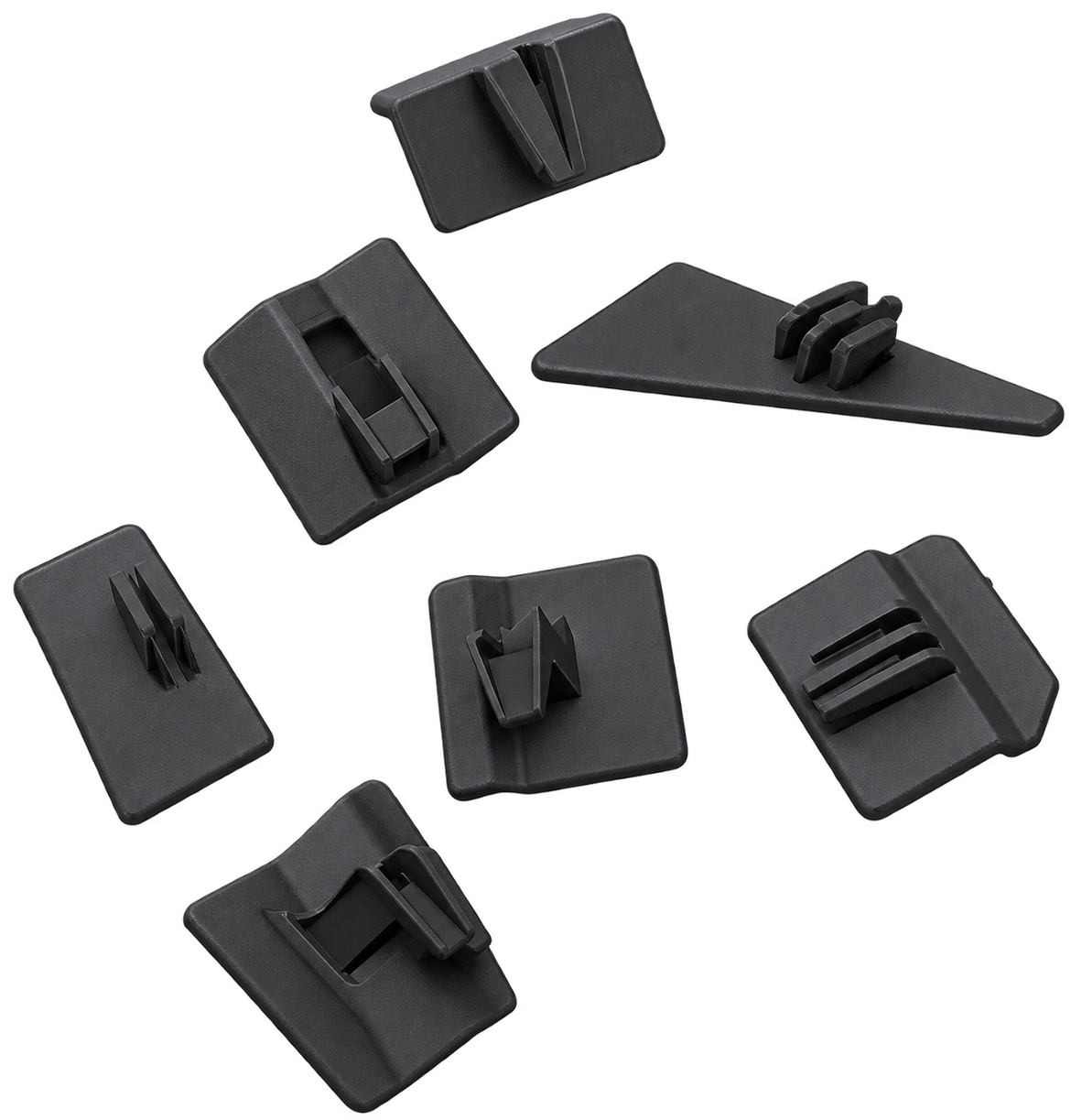
This example illustrates why replacement parts should be developed around their actual function, not just their external appearance.
A clip needs the correct engagement geometry and sufficient clearance to install properly. Making it too tight can complicate installation; making it too loose can compromise retention. The correct balance depends on the original assembly and the specific component design.
When restoring a door panel, it is also important to inspect the original mounting locations. Damaged mounting holes, distorted panels or remnants of broken clips can prevent even a correctly manufactured replacement from fitting as intended.
Surface finish: Why the final appearance matters
Fitment is only half the story. For visible components, the surface finish can make the difference between a convincing restoration and a part that looks out of place.
FDM parts may show visible layer lines, depending on the print settings, material and finishing process. Powder-bed technologies can produce a different surface texture, but their as-manufactured surfaces may also require finishing when a particular appearance is desired.
At OctoClassic, our Mercedes R129 Seat Switch Cover is produced using laser sintering with polymer powder and receives sandblasting and painting. The product is available for the driver or passenger side, with colour matching supported through vehicle information.
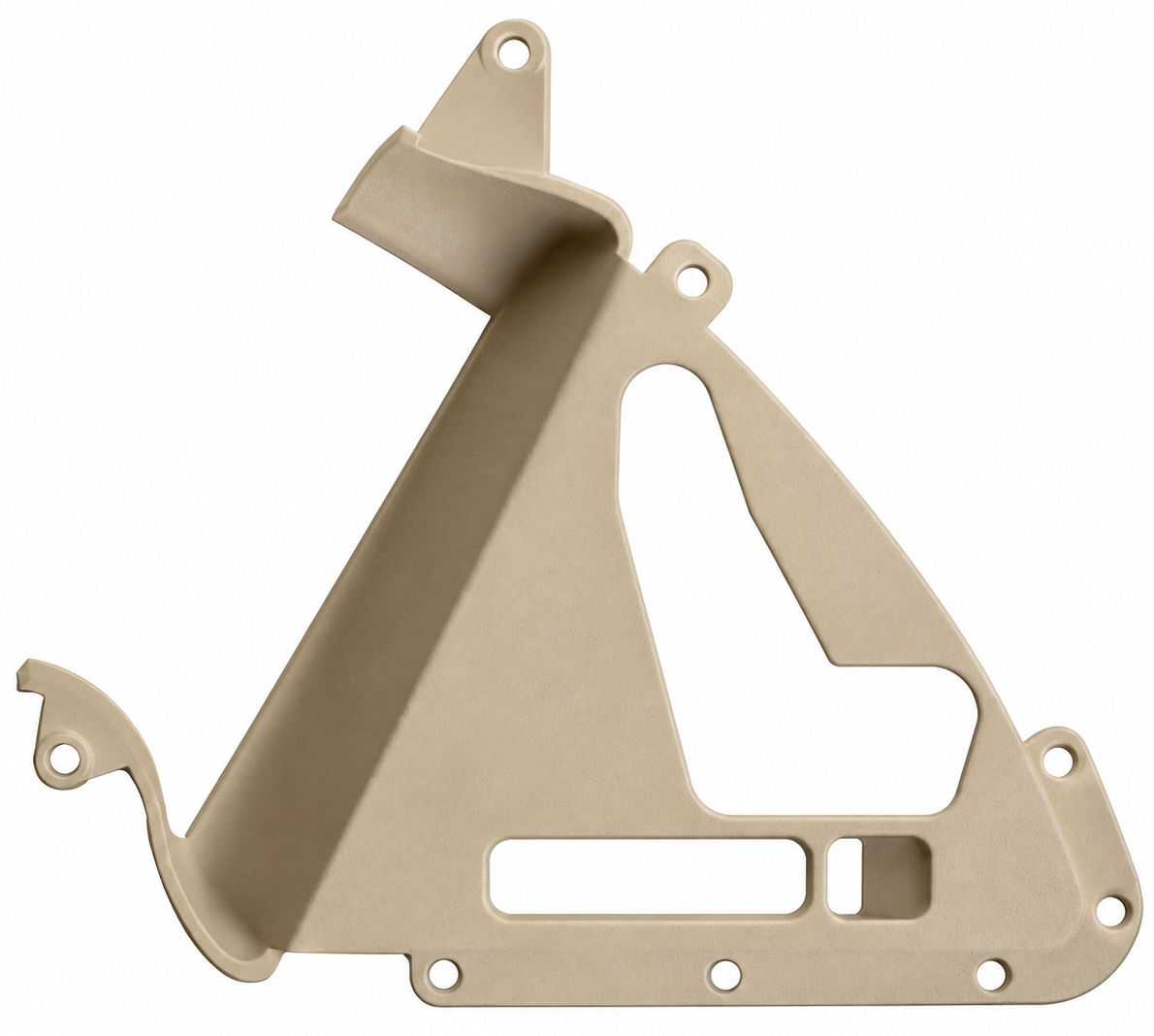
These details matter because a seat switch cover is not an isolated component. It sits next to existing trim, controls and upholstery. A replacement that fits but has the wrong colour, gloss level or texture can still look noticeably different from the surrounding interior.
For more elaborate restorations, our Mercedes R129 Custom Seat Switch Cover with Wood and Interior Colours combines the switch-cover design with wood veneer and interior colour options. This product is intended for the 1996–2001 R129 and requires confirmation of the correct version and finish.
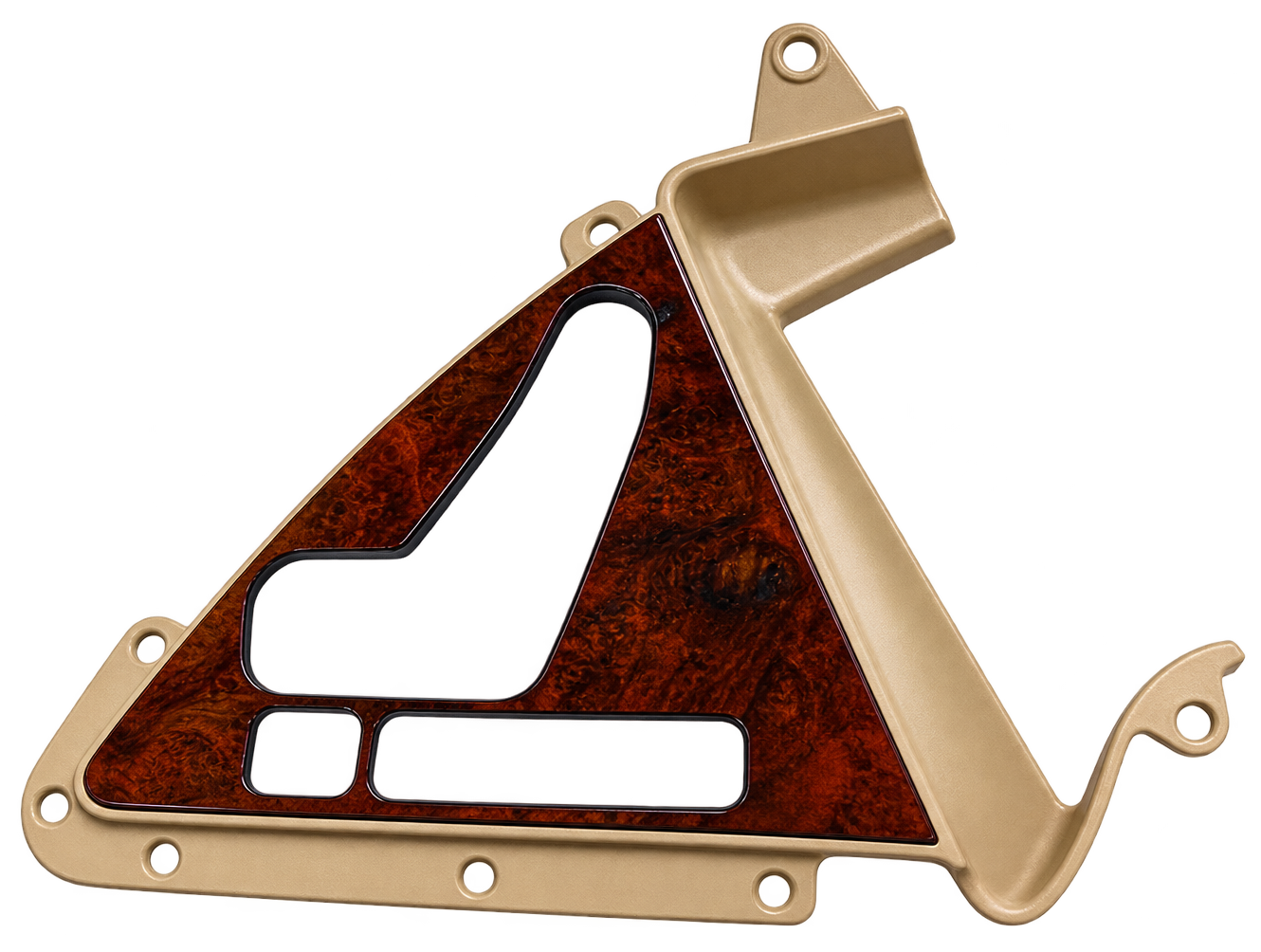
The lesson is straightforward: a professional replacement must consider both how the component fits and how it looks once installed.
Why repeatability and correct vehicle compatibility matter
A replacement part should not only fit one particular installation by chance. Its critical dimensions and features need to remain consistent with the intended design, while the selected version must match the vehicle.
This is where repeatability and compatibility become especially important.
Manufacturing repeatability means producing successive parts within defined dimensional and quality limits. It does not mean every part is mathematically identical; all manufacturing processes have variation. The important question is whether that variation remains within acceptable limits for the application.
Compatibility is a separate issue. A perfectly manufactured part can still be the wrong choice if it was designed for another model year, trim configuration, side or equipment option.
Our Mercedes R129 Seat Switch Cover without Memory is a good example. It is intended for the version without memory and is offered for the left or right side. The product listing provides the corresponding original Mercedes part numbers.
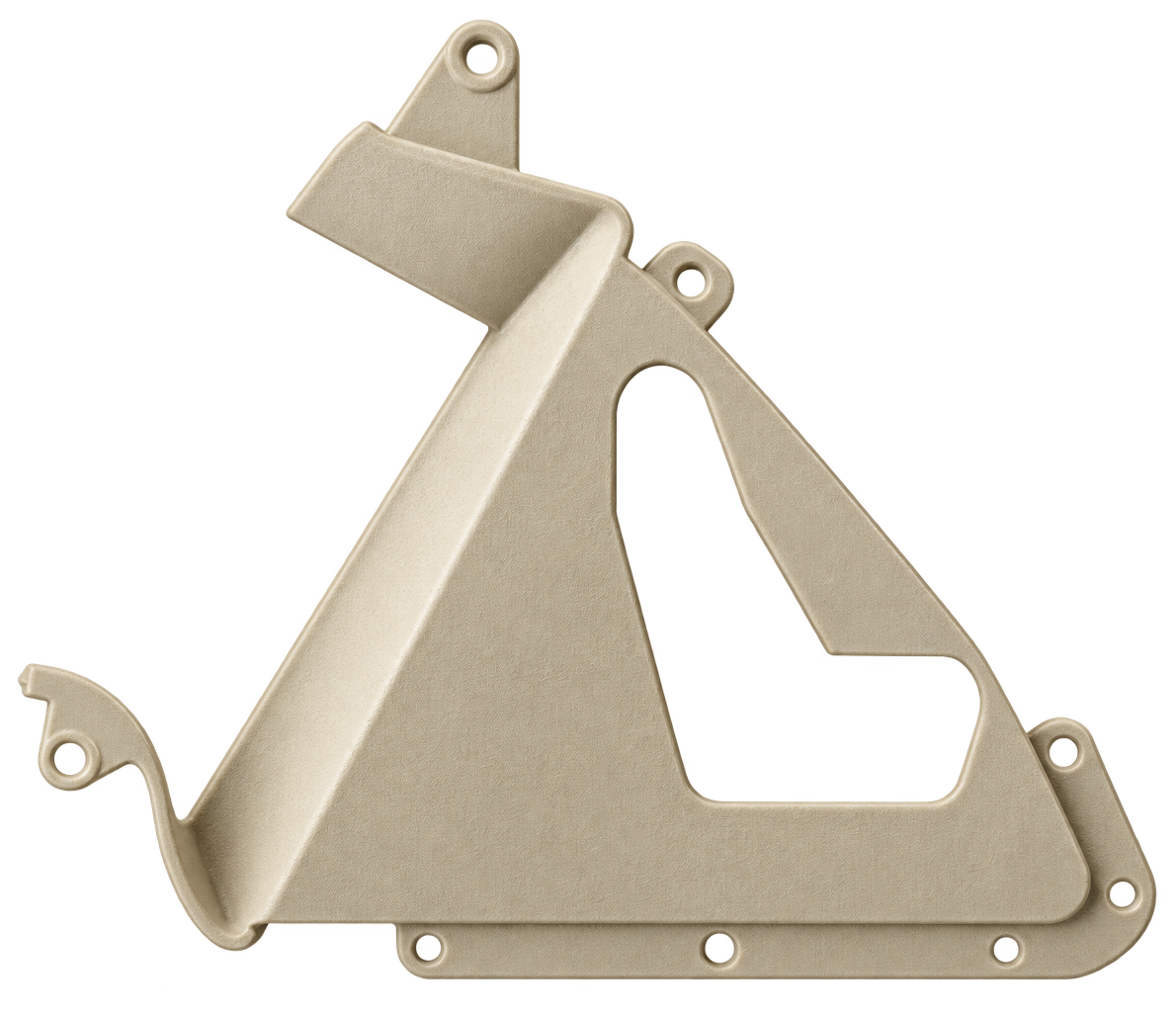
Before ordering, check:
- the exact model and production version;
- whether the car has the relevant equipment, such as seat memory;
- the correct left- or right-side component;
- the original part number, where available;
- the required interior colour and finish.
For our R129 parts, we recommend contacting us with your VIN if you are uncertain about the correct interior colour or configuration.
Correct identification is an essential part of fitment. Even excellent manufacturing cannot compensate for choosing a component that does not match the vehicle.
What real replacement parts teach us about fitment
Product examples also demonstrate why fitment should never be reduced to a simple claim that every part installs without adjustment.
Take our Mercedes W124 Door Handle Hook Repair Kit. The product listing explains that repairing the door handle hooks may require adjustment of the damaged original hooks and the use of adhesive. We recommend that these operations be performed by a specialist restoration workshop.
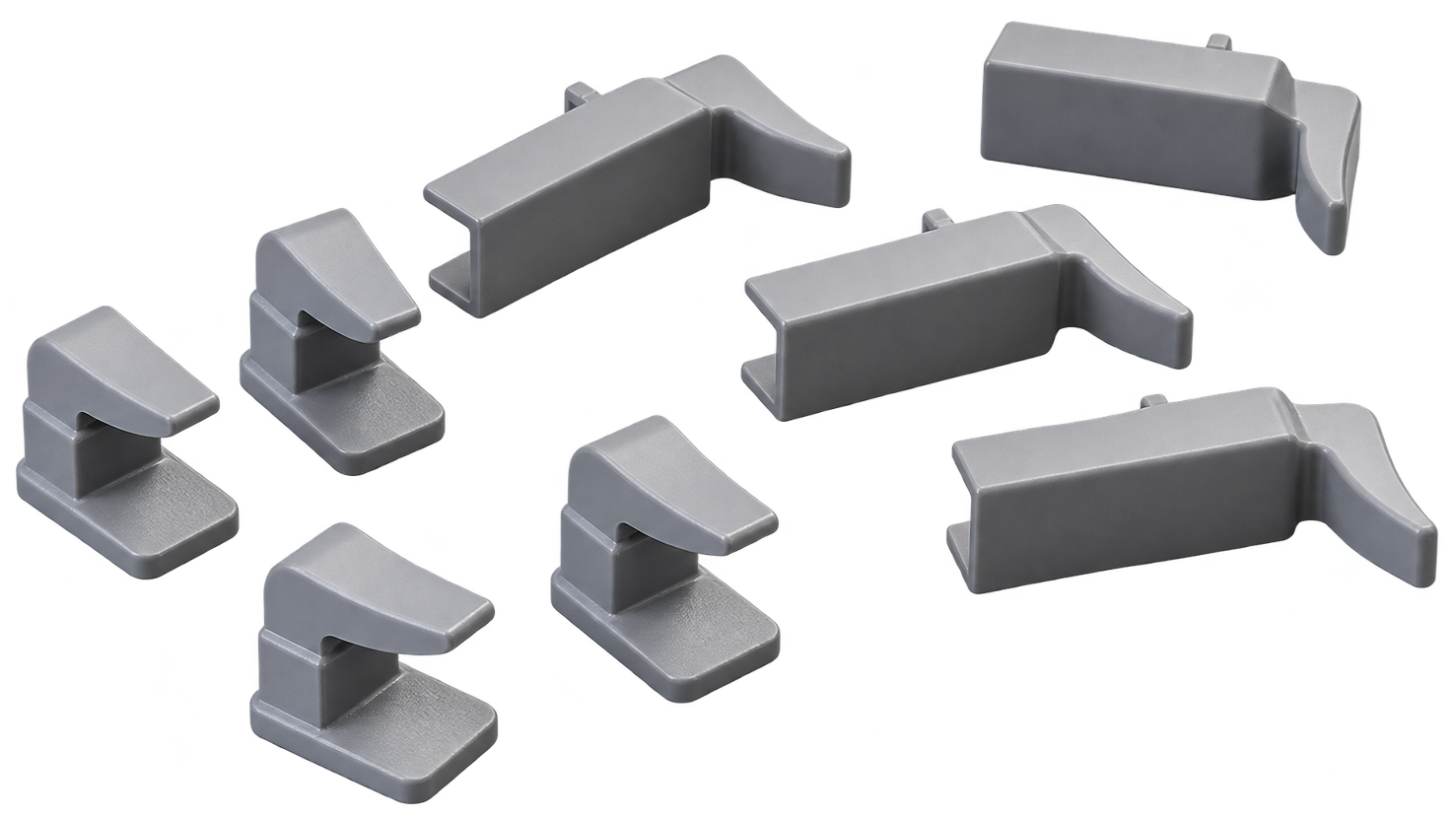
That is an important practical distinction. A replacement component may be designed for a specific repair while the condition of the surrounding original parts still affects the work required. Clear installation requirements help customers understand what the repair involves before beginning.
Our Mercedes G-Class W463 Front Windshield Wiper Arm Cover provides another example of engineering beyond basic shape reproduction. It is manufactured using laser sintering with polymer powder and receives sandblasting and painting. OctoClassic also describes a revised design with increased thickness in areas prone to damage.
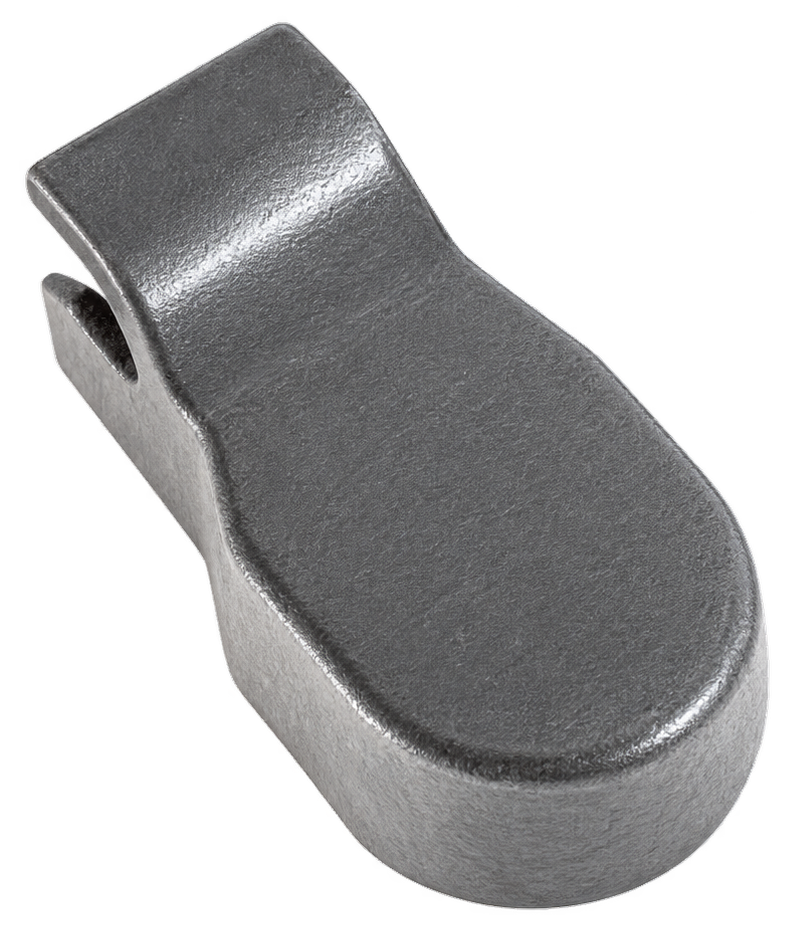
For a cover exposed to the elements, the final result must combine the intended mounting geometry with an appropriate finish and a design suited to its location.
These examples show why we approach replacement parts as functional components rather than generic copies. The correct solution depends on the vehicle, the surrounding assembly and the purpose of the part.
Q: Why does a 3D-printed replacement part sometimes not fit?
A: Possible causes include dimensional variation, material shrinkage, incorrect geometry, an unsuitable design, the wrong vehicle version or damage to the original mounting points. The manufacturing process is only one part of the equation.
Q: Why does surface finish matter for interior trim?
A: Visible components sit alongside original plastics, wood trim, buttons and upholstery. Differences in texture, gloss or colour can make a replacement stand out even when its dimensions are correct.
Q: Can a correctly manufactured part still require adjustment?
A: Yes. Some repairs involve damaged original components or assemblies that need preparation. Follow the product’s installation instructions and seek specialist help when adjustment, bonding or other repair work is required.
Q: How can I choose the correct replacement part for my Mercedes?
A: Check the model, production version, equipment configuration, side, original part number and colour or finish. If you are uncertain about an R129 interior component, contact OctoClassic with your VIN so we can help you identify the appropriate option.
Are you already a proud owner of a Classic Car? If so, check out our selection of parts for this car at the following link:
Photo sources: youngtimers-uk.com